


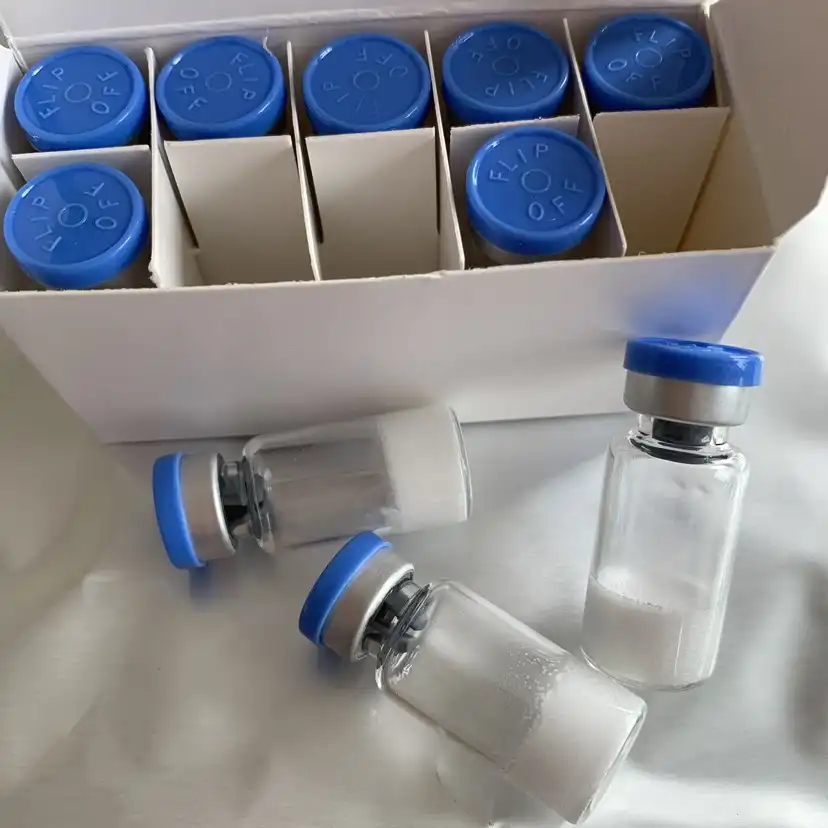
Nesiritide is commonly used in biochemical, analytical, and in vitro research applications to explore cardiovascular and endocrine processes. This product is intended exclusively for laboratory and research purposes and is not intended for human or veterinary use. It is not approved as a medicine or dietary supplement.

Nesiritide is a synthetic peptide analogue of human B-type natriuretic peptide (BNP) that is widely studied in scientific research for its role in cardiovascular physiology and natriuretic peptide signaling. Laboratory investigations examine its interactions with natriuretic peptide receptors, cyclic GMP (cGMP) pathways, vascular biology, and fluid balance mechanisms.
Nesiritide, marketed under the brand name Natrecor, is a recombinant form of human B-type natriuretic peptide (BNP) that represents a unique pharmacological approach to the management of acutely decompensated congestive heart failure (CHF). Approved by the U.S. Food and Drug Administration in 2001, nesiritide was the first new class of intravenous heart failure therapy approved in over a decade, introducing the concept of natriuretic peptide augmentation as a therapeutic strategy.
The drug is structurally identical to the endogenous hormone produced by the human cardiac ventricles in response to pressure and volume overload, and it functions by binding to natriuretic peptide receptors in the vasculature and kidneys, thereby promoting balanced vasodilation, natriuresis, diuresis, and neurohormonal suppression.
The clinical development of nesiritide has been extensive, encompassing multiple randomized controlled trials involving thousands of patients with acute decompensated heart failure. The pivotal VMAC (Vasodilation in the Management of Acute Congestive Heart Failure) trial demonstrated that nesiritide produced rapid and significant reductions in pulmonary capillary wedge pressure (PCWP) and improvements in dyspnea compared to placebo and intravenous nitroglycerin.
However, the larger ASCEND-HF trial subsequently revealed that while nesiritide retained favorable hemodynamic effects, these did not translate into significant improvements in hard clinical outcomes such as mortality or rehospitalization rates. This dichotomy between short-term physiological benefits and long-term clinical outcomes has defined the contemporary understanding of nesiritide’s role in clinical practice.
This product description provides a comprehensive examination of nesiritide, covering its pharmacological properties, mechanism of action, clinical evidence supporting its health benefits, safety profile, and its position within the broader landscape of heart failure therapeutics. The document aims to present a balanced assessment that acknowledges both the demonstrated hemodynamic and symptomatic benefits of nesiritide and the limitations revealed by large-scale outcome trials, thereby offering healthcare professionals, formulary decision-makers, and patients a thorough understanding of this unique therapeutic agent.
Product Overview
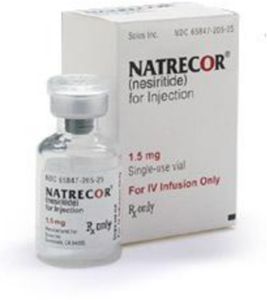
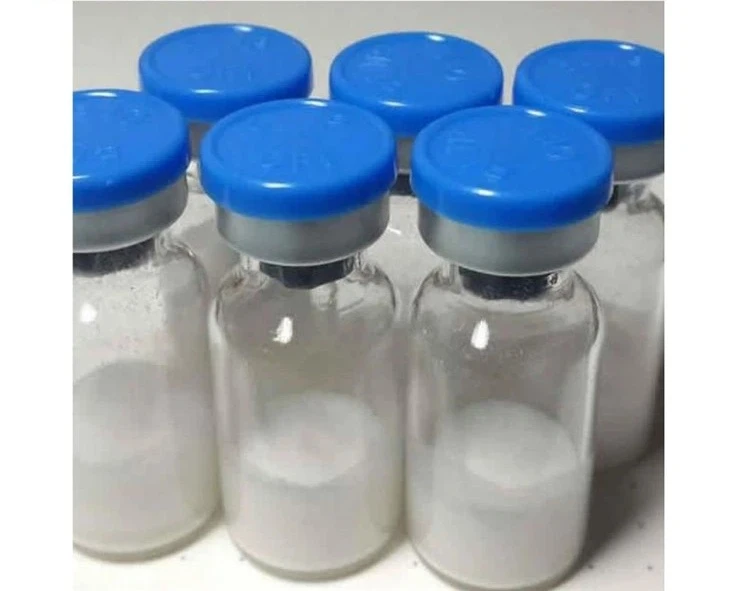
Nesiritide is a sterile, preservative-free, lyophilized powder for intravenous administration, supplied in single-use vials containing 1.5 mg of nesiritide. Upon reconstitution with the provided diluent, the solution is intended for intravenous bolus injection followed by continuous infusion. The recommended dosing regimen consists of a 2 mcg/kg intravenous bolus followed by a continuous infusion at 0.01 mcg/kg/min. This weight-based dosing approach reflects the pharmacokinetic profile of the drug, as clearance is proportional to body weight.
The drug is chemically defined as a recombinant human B-type natriuretic peptide, consisting of a 32-amino acid sequence with a 17-amino acid core ring structure formed by a cysteine bridge—a structural motif shared among all natriuretic peptides. This molecular architecture is essential for receptor binding and biological activity. Nesiritide is produced through recombinant DNA technology in Escherichia coli, yielding a product that is structurally and functionally identical to the endogenous human hormone.
Regulatory Status and Historical Context
Nesiritide received FDA approval in August 2001 for the intravenous treatment of patients with acutely decompensated congestive heart failure who have dyspnea at rest or with minimal activity. At the time of approval, it represented a significant departure from existing therapies, which relied primarily on diuretics, inotropes (such as dobutamine and milrinone), and nitrates. The introduction of nesiritide was welcomed as a novel approach that could address the underlying neurohormonal derangements characteristic of heart failure without the proarrhythmic and chronotropic effects associated with traditional inotropic agents.
Despite initial enthusiasm, the clinical adoption of nesiritide has been markedly influenced by post-marketing evidence. The ASCEND-HF trial, published in 2011, enrolled over 7,000 patients and failed to demonstrate significant benefits on mortality or rehospitalization, while confirming an increased risk of hypotension. In subsequent years, the commercial availability of nesiritide has diminished substantially, with the product largely withdrawn from the U.S. market for commercial reasons. Nevertheless, nesiritide remains an important subject of pharmacological study and retains a place in the historical and scientific understanding of natriuretic peptide biology and heart failure therapeutics.
Indications and Clinical Positioning
Nesiritide is indicated for the intravenous treatment of patients with acutely decompensated congestive heart failure who present with dyspnea at rest or with minimal activity. The clinical context for its use is the hospitalized patient requiring parenteral therapy for symptomatic relief of congestion and hemodynamic stabilization. It is not indicated for chronic heart failure management, nor has it been shown to improve survival or reduce rehospitalization rates.
The therapeutic niche that nesiritide was designed to fill is that of a balanced vasodilator with natriuretic properties that could rapidly reduce filling pressures and improve symptoms without the adverse effects of inotropic agents. In comparative studies, nesiritide demonstrated a lower incidence of arrhythmias than dobutamine and a more favorable hemodynamic profile than nitroglycerin, although these advantages did not translate into improved hard outcomes.
The Natriuretic Peptide System
The natriuretic peptide system represents an endogenous counter-regulatory mechanism designed to counteract the deleterious effects of neurohormonal activation in heart failure. The system comprises three structurally related peptides: atrial natriuretic peptide (ANP), primarily produced by the cardiac atria; B-type natriuretic peptide (BNP), predominantly secreted by the cardiac ventricles; and C-type natriuretic peptide (CNP), derived from endothelial and renal cells. In the setting of heart failure, ventricular wall stress and increased intracardiac pressures stimulate the synthesis and release of BNP from cardiomyocytes, leading to elevated circulating levels that serve as both a compensatory mechanism and a diagnostic biomarker.
Endogenous BNP exerts its physiological effects by binding to natriuretic peptide receptor-A (NPR-A), a transmembrane guanylyl cyclase-coupled receptor expressed on vascular smooth muscle cells, endothelial cells, and renal epithelial cells. Ligand binding induces receptor dimerization and activation of the receptor’s intrinsic guanylyl cyclase activity, resulting in the conversion of guanosine triphosphate to cyclic guanosine monophosphate (cGMP). The elevation of intracellular cGMP activates protein kinase G and other downstream effectors, culminating in smooth muscle relaxation, vasodilation, and inhibition of sodium reabsorption in the kidney.
Mechanism of Action of Nesiritide
Nesiritide reproduces the biological actions of endogenous BNP through identical receptor interactions. By binding to NPR-A on vascular smooth muscle cells, nesiritide activates the cGMP signaling cascade, producing relaxation of both arterial and venous vascular beds. This balanced vasodilatory effect is pharmacologically distinct from that of nitroglycerin, which predominantly affects the venous capacitance vessels, and from calcium channel blockers, which primarily dilate arterial resistance vessels. The result is a simultaneous reduction in preload (as reflected by decreased pulmonary capillary wedge pressure and right atrial pressure) and afterload (as reflected by decreased systemic vascular resistance), without a reflex increase in heart rate.
In the kidney, nesiritide promotes natriuresis and diuresis through multiple mechanisms. Direct effects on renal tubules include inhibition of sodium reabsorption in the collecting duct via cGMP-mediated blockade of epithelial sodium channels and cyclic nucleotide-gated channels. Additionally, nesiritide suppresses the renin-angiotensin-aldosterone system, reducing aldosterone secretion and thereby diminishing distal sodium reabsorption. The drug also inhibits sympathetic nervous system activity and reduces circulating catecholamine levels, further contributing to its favorable neurohormonal profile.
Pharmacokinetics and Pharmacodynamics
Following intravenous administration, nesiritide exhibits a rapid distribution half-life of approximately 2 minutes and a terminal elimination half-life of approximately 18 minutes. At steady state, plasma BNP levels increase from baseline endogenous levels by approximately 3- to 6-fold with infusion doses ranging from 0.01 to 0.03 mcg/kg/min. The drug is cleared from circulation through three independent mechanisms: binding to cell-surface clearance receptors with subsequent cellular internalization and lysosomal proteolysis; proteolytic cleavage by endopeptidases such as neutral endopeptidase; and renal filtration.
The pharmacodynamic effects of nesiritide outlast its pharmacokinetic half-life. With the recommended dosing regimen of a 2 mcg/kg bolus followed by 0.01 mcg/kg/min infusion, 60% of the three-hour effect on PCWP reduction is achieved within 15 minutes of the bolus, and 95% of the effect is reached within one hour. Approximately 70% of the three-hour effect on systolic blood pressure reduction is reached within 15 minutes. In patients who develop symptomatic hypotension, half of the recovery of systolic blood pressure toward baseline after discontinuation or dose reduction is observed in approximately 60 minutes, although higher doses may prolong the duration of hypotension.
Importantly, clinical data indicate that dose adjustment is not required in patients with renal insufficiency. The effects of nesiritide on PCWP, cardiac index, and systolic blood pressure were not significantly different in patients with chronic renal insufficiency (baseline serum creatinine ranging from 2 to 4.3 mg/dL) compared to those with normal renal function. Clearance is proportional to body weight, supporting weight-adjusted dosing, and is not significantly influenced by age, gender, race, or concomitant ACE inhibitor administration.
Hemodynamic Benefits
The most consistently demonstrated health benefit of nesiritide is its ability to produce rapid and significant improvements in hemodynamic parameters in patients with acutely decompensated heart failure. The pivotal VMAC trial, a randomized, double-blind study of 489 patients requiring hospitalization for dyspnea at rest, compared nesiritide, placebo, and intravenous nitroglycerin when added to background therapy. At three hours after initiation of treatment, nesiritide produced a mean reduction in pulmonary capillary wedge pressure of 5.8 mm Hg, compared to 3.8 mm Hg with nitroglycerin and 2.0 mm Hg with placebo—differences that were statistically significant. This reduction in filling pressure reflects the drug’s potent venous vasodilatory effect and its ability to unload the congested heart.
Beyond PCWP reduction, nesiritide has been shown to decrease systemic vascular resistance and right atrial pressure while increasing cardiac index and stroke volume without a concomitant increase in heart rate. This combination of effects—reduced preload, reduced afterload, and maintained or improved cardiac output without chronotropic stimulation—is pharmacologically desirable in the setting of acute decompensated heart failure, where elevated filling pressures and increased systemic vascular resistance contribute to symptoms and cardiac workload.
A comprehensive meta-analysis of 22 studies involving over 38,000 patients confirmed that nesiritide therapy was associated with significant reductions in PCWP, systemic vascular resistance, right atrial pressure, and diastolic blood pressure compared to control therapy. These hemodynamic benefits are rapid in onset, with meaningful reductions in filling pressures observed within 15 to 30 minutes of bolus administration, and are sustained for the duration of infusion.
Symptomatic Benefits: Dyspnea Relief
The symptomatic benefit most directly attributable to nesiritide is the relief of dyspnea, the hallmark symptom of acute decompensated heart failure. In the VMAC trial, significantly more patients receiving nesiritide reported improvement in dyspnea at three hours compared to placebo recipients. This improvement in the sensation of breathlessness is mechanistically linked to the rapid reduction in pulmonary capillary wedge pressure and the consequent decrease in pulmonary congestion.
The clinical significance of dyspnea relief in acute heart failure should not be underestimated. Dyspnea at rest is the most distressing symptom of decompensated heart failure and is the primary reason for hospital admission in the majority of patients. The ability to provide rapid symptomatic relief is a legitimate therapeutic goal, even in the absence of demonstrated mortality benefit, as it improves patient comfort and may reduce the need for more aggressive interventions such as mechanical ventilation.
However, the magnitude of nesiritide’s symptomatic benefit compared to alternative therapies warrants careful consideration. In the VMAC trial, while nesiritide was superior to placebo for dyspnea improvement at three hours, the difference compared to nitroglycerin did not achieve statistical significance. Furthermore, in the much larger ASCEND-HF trial, nesiritide demonstrated only a small, non-significant effect on dyspnea at 6 and 24 hours compared to placebo. This discrepancy between trials may reflect differences in baseline characteristics, concomitant therapies, or the subjective nature of dyspnea assessment, but it underscores the need for realistic expectations regarding the symptomatic benefits of the drug.
Neurohormonal Modulation
A distinctive feature of nesiritide among intravenous heart failure therapies is its favorable neurohormonal profile. Unlike inotropic agents such as dobutamine and milrinone, which increase intracellular cyclic AMP and can exacerbate neurohormonal activation and arrhythmogenesis, nesiritide suppresses several maladaptive neurohormonal pathways. Specifically, nesiritide has been shown to reduce circulating levels of aldosterone, catecholamines, and endothelin-1. This neurohormonal modulation may contribute to the drug’s favorable hemodynamic effects and its relatively low arrhythmogenic potential.
The suppression of aldosterone is particularly relevant in heart failure, where hyperaldosteronism promotes sodium and water retention, myocardial fibrosis, and endothelial dysfunction. By counteracting these effects, nesiritide addresses a fundamental pathophysiological mechanism of heart failure progression. However, it should be noted that these neurohormonal benefits have not been demonstrated to translate into improved long-term clinical outcomes in controlled trials.
Renal Effects
The natriuretic and diuretic properties of nesiritide represent another potential health benefit, particularly in patients with volume overload and congestion. By inhibiting sodium reabsorption in the renal collecting duct and suppressing aldosterone secretion, nesiritide promotes natriuresis and increases urine output. In the setting of acute decompensated heart failure, where diuretic resistance is common and congestion often persists despite high-dose loop diuretic therapy, the addition of a natriuretic agent with a complementary mechanism of action could theoretically enhance decongestion.
However, the clinical evidence regarding nesiritide’s renal effects is complex and somewhat conflicting. Early meta-analyses suggested that nesiritide might be associated with worsening renal function, particularly at higher doses.
The PRECEDENT trial reported that the incidence of serum creatinine elevations greater than 0.5 mg/dL above baseline through day 14 was 17% in the nesiritide 0.015 mcg/kg/min group and 19% in the 0.03 mcg/kg/min group, compared to 11% with standard therapy. In the VMAC trial, through day 30, the incidence of creatinine elevation was 28% in the nesiritide group and 21% in the nitroglycerin group.
More recent and comprehensive analyses have provided a more nuanced picture. A large meta-analysis involving over 38,000 patients found no significant differences in serum creatinine, blood urea nitrogen, creatinine clearance, or the need for dialysis between nesiritide and control groups. The ASCEND-HF trial, the largest randomized experience with nesiritide, did not confirm an increased risk of worsening renal function.
These findings suggest that while nesiritide may cause transient increases in serum creatinine in some patients, likely related to vasodilation-induced reductions in renal perfusion pressure, it does not appear to cause clinically significant or persistent renal injury when used appropriately.
Comparative Efficacy: Nesiritide Versus Other Intravenous Agents
The health benefits of nesiritide are best understood in comparison with alternative intravenous therapies for acute decompensated heart failure. Compared to dobutamine, an inotropic agent commonly used in patients with low cardiac output, nesiritide offers several advantages. In a comparative trial, nesiritide at 0.015 mcg/kg/min was associated with significantly lower six-month mortality than dobutamine, although mortality was not a prespecified endpoint and this result should be interpreted with caution.
More importantly, nesiritide demonstrated a significantly lower incidence of arrhythmias than dobutamine. The PRECEDENT trial, which used Holter monitoring to assess arrhythmia burden, found that nesiritide did not aggravate pre-existing ventricular tachycardia or increase the frequency of premature ventricular beats, whereas dobutamine was associated with a substantially higher risk of sustained ventricular tachycardia and cardiac arrest.
Compared to nitroglycerin, nesiritide produces greater reductions in pulmonary capillary wedge pressure and may provide more consistent hemodynamic improvement, although the clinical significance of this difference is debated. Nitroglycerin is associated with the development of tolerance during continuous infusion, a phenomenon that may limit its effectiveness over time, whereas nesiritide does not appear to induce tachyphylaxis. However, nitroglycerin is substantially less expensive than nesiritide, and the cost differential must be considered in formulary decisions.
Compared to milrinone, another inotropic agent, nesiritide offers the advantage of not increasing myocardial oxygen demand or provoking arrhythmias, making it a potentially safer option in patients with ischemic heart disease or a history of ventricular arrhythmias. However, milrinone may be more appropriate in patients with severely reduced cardiac output and end-organ hypoperfusion, where the positive inotropic effect is necessary to restore adequate tissue perfusion.
Mortality and Rehospitalization: The Limitations of Evidence
The most significant limitation to the health benefits of nesiritide is the absence of demonstrated improvement in hard clinical outcomes. The ASCEND-HF trial, which randomized 7,141 patients with acute decompensated heart failure to nesiritide or placebo in addition to standard care, found no significant difference in the composite endpoint of heart failure rehospitalization and death from any cause at 30 days (9.4% versus 10.1%, p=0.31). The effect on dyspnea, while statistically significant in some analyses, was small and of uncertain clinical importance.
Earlier concerns about a possible increase in mortality with nesiritide, raised by a 2005 meta-analysis, were not confirmed by subsequent larger trials and more comprehensive meta-analyses. The VMAC trial reported six-month mortality rates of 25.1% in the nesiritide group and 20.8% in the nitroglycerin group, a difference that was not statistically significant. Across all controlled trials combined, mortality rates for nesiritide and active control patients were 21.5% and 21.7%, respectively. A subsequent meta-analysis of 22 studies involving 38,064 patients demonstrated no significant increase in short-term, midterm, or long-term mortality risk with nesiritide compared to control therapy.
The totality of evidence therefore supports the conclusion that nesiritide is hemodynamically active and provides symptomatic relief in some patients, but it does not alter the natural history of heart failure or improve survival. This profile is similar to that of other intravenous vasodilators and diuretics used in acute heart failure, which are employed primarily for symptomatic relief and hemodynamic stabilization rather than for mortality reduction.
Hypotension
Hypotension is the most common and clinically significant adverse effect of nesiritide, occurring in a dose-dependent manner and reflecting the drug’s potent vasodilatory action. In the VMAC trial, symptomatic hypotension was reported in a proportion of patients receiving nesiritide, and the incidence was comparable to that observed with intravenous nitroglycerin. However, hypotension associated with nesiritide tended to be longer-lasting than that associated with nitroglycerin, a reflection of the drug’s longer pharmacodynamic half-life relative to its pharmacokinetic half-life.
The management of nesiritide-associated hypotension involves dose reduction or discontinuation of the infusion, along with supportive measures such as intravenous fluid administration and repositioning. In the VMAC trial, when symptomatic hypotension occurred, nesiritide was discontinued and could subsequently be restarted at a dose reduced by 30%.
Blood pressure should be monitored closely during nesiritide administration, particularly in patients with baseline systolic blood pressure below 100 mm Hg, who may be at increased risk for hypotensive episodes. Nesiritide is contraindicated in patients with cardiogenic shock or persistent systolic blood pressure below 90 mm Hg.
Arrhythmogenic Potential
In contrast to inotropic agents, nesiritide does not appear to increase the risk of atrial or ventricular tachyarrhythmias. In placebo-controlled trials, the incidence of ventricular tachycardia was 2% in both nesiritide and placebo patients.
The PRECEDENT trial, which specifically evaluated the effects of nesiritide and dobutamine on provocation or aggravation of existing ventricular arrhythmias using Holter monitoring, found that nesiritide at doses of 0.015 and 0.03 mcg/kg/min for 24 hours did not aggravate pre-existing ventricular tachycardia or increase the frequency of premature ventricular beats compared to baseline. This favorable arrhythmogenic profile distinguishes nesiritide from dobutamine and milrinone and makes it a potentially safer choice in patients with a history of arrhythmias or those at high risk for arrhythmic events.
Renal Function Considerations
As discussed in the context of health benefits, the renal effects of nesiritide have been a subject of controversy. Early meta-analyses suggested an association with worsening renal function, but more comprehensive analyses and the large ASCEND-HF trial have not confirmed a clinically significant increase in renal injury or need for dialysis. Transient increases in serum creatinine may occur in some patients, particularly with higher doses, and are likely related to vasodilation-induced reductions in renal perfusion pressure rather than direct nephrotoxicity. Monitoring of renal function is prudent during nesiritide administration, particularly in patients with pre-existing renal insufficiency or those receiving concomitant nephrotoxic agents.
Other adverse events reported in clinical trials with nesiritide include headache, abdominal pain, back pain, nausea, vomiting, fever, injection site reactions, and various neurological symptoms such as confusion, paresthesia, somnolence, and tremor. Headache and abdominal pain have been identified in meta-analyses as occurring with increased frequency compared to control therapy. These effects are generally mild to moderate in severity and resolve with discontinuation of the infusion.
Drug Interactions and Special Populations
Pharmacokinetic studies have not revealed clinically significant interactions between nesiritide and commonly co-administered medications, including diuretics, ACE inhibitors, angiotensin receptor blockers, beta-blockers, digoxin, statins, and anticoagulants. Co-administration of nesiritide with enalapril did not significantly affect nesiritide pharmacokinetics. However, concomitant use with other vasodilators or antihypertensive agents may potentiate the hypotensive effect and warrants careful blood pressure monitoring.
In special populations, nesiritide has been studied in elderly patients (53% of trial participants were over 65 years of age), women (33%), and racial minorities (17% Black), with no evidence of differential efficacy or safety. The safety and effectiveness of nesiritide in pediatric patients have not been established. There are no adequate studies in pregnant or breastfeeding women to determine the potential for fetal or infant harm.
Dosing and Administration
Nesiritide is administered intravenously in a monitored hospital setting. The recommended dosing regimen consists of a 2 mcg/kg intravenous bolus administered over approximately 60 seconds, followed immediately by a continuous infusion at 0.01 mcg/kg/min. The infusion may be continued for up to 48 hours, although there is limited experience with administration beyond this duration. The dose may be titrated based on hemodynamic response and blood pressure tolerance, with a maximum recommended infusion rate of 0.03 mcg/kg/min.
The dosing regimen was refined during clinical development to minimize the risk of hypotension. Earlier studies utilized higher bolus doses (0.3 to 0.6 mcg/kg) and higher infusion rates, which were associated with a higher incidence of symptomatic hypotension. The current recommended regimen of a 2 mcg/kg bolus and 0.01 mcg/kg/min infusion was selected to optimize the balance between hemodynamic efficacy and safety.
Monitoring Requirements
Close monitoring of blood pressure is essential during nesiritide administration. Blood pressure should be measured frequently, particularly during the bolus and the initial hours of infusion, and any episode of symptomatic hypotension should prompt dose reduction or discontinuation. Invasive hemodynamic monitoring with a pulmonary artery catheter is not required for the safe administration of nesiritide, although it may be used in selected patients to guide therapy.
Renal function should be monitored with serum creatinine and blood urea nitrogen measurements, particularly in patients with pre-existing renal insufficiency or those receiving prolonged infusions. Electrolytes should be monitored as clinically indicated. The infusion site should be inspected regularly for signs of phlebitis or infiltration.
Reconstitution and Handling
Nesiritide is supplied as a lyophilized powder that must be reconstituted before use. The contents of a 1.5 mg vial are reconstituted with the provided 5 mL diluent to yield a solution containing approximately 0.3 mg/mL of nesiritide. The reconstituted solution should be inspected for particulate matter and discoloration prior to administration. The product contains no preservatives and is intended for single use only; unused portions should be discarded.
The economic evaluation of nesiritide must account for both its acquisition cost and its clinical profile. Nesiritide is substantially more expensive than generic intravenous nitroglycerin, the most commonly used alternative vasodilator for acute heart failure. The cost differential is particularly relevant in the context of the ASCEND-HF findings, which demonstrated no significant benefit of nesiritide over placebo on mortality or rehospitalization when added to standard care.
A pharmacoeconomic analysis would need to consider whether the modest symptomatic benefits and favorable arrhythmogenic profile of nesiritide justify its additional cost compared to nitroglycerin. For patients at high risk of arrhythmias or those who cannot tolerate nitroglycerin due to tolerance or adverse effects, nesiritide may offer clinical advantages that offset its cost. However, for the general population of patients with acute decompensated heart failure, the economic case for nesiritide is less compelling.
Formulary decisions should also consider the practical aspects of nesiritide use, including the need for reconstitution, the requirement for continuous infusion, and the monitoring burden associated with its hypotensive effects. In institutions where nesiritide has been removed from formulary, alternative agents such as nitroglycerin, nitroprusside, or milrinone are available for the management of acute decompensated heart failure, depending on the patient’s hemodynamic profile and clinical status.
The Evolving Understanding of Nesiritide’s Role
The trajectory of nesiritide from promising novel therapy to its current status as a largely withdrawn product reflects a broader evolution in the understanding of acute heart failure therapeutics. The initial enthusiasm for nesiritide was based on its favorable hemodynamic profile and the intuitive appeal of augmenting an endogenous compensatory system. The subsequent disappointment following ASCEND-HF highlighted the limitations of targeting short-term hemodynamic endpoints as surrogates for clinical benefit in acute heart failure.
This experience has informed the design of subsequent heart failure trials, which increasingly emphasize composite endpoints that capture patient-reported outcomes, rehospitalization, and mortality rather than hemodynamic parameters alone. It has also reinforced the principle that therapies for acute decompensated heart failure should be evaluated rigorously for their impact on hard clinical outcomes, not merely for their ability to produce favorable short-term physiological changes.
Lessons for Natriuretic Peptide Therapeutics
Despite the commercial withdrawal of nesiritide, the natriuretic peptide system remains an attractive target for therapeutic intervention. Research into longer-acting natriuretic peptides, orally active neprilysin inhibitors (which increase endogenous natriuretic peptide levels by preventing their degradation), and novel delivery approaches continues. The experience with nesiritide has provided valuable insights into the pharmacology of natriuretic peptides, the challenges of translating hemodynamic benefits into clinical outcomes, and the importance of careful patient selection and dose optimization.
The neprilysin inhibitor sacubitril, used in combination with valsartan (Entresto), represents a different approach to harnessing the natriuretic peptide system and has demonstrated significant mortality benefits in chronic heart failure with reduced ejection fraction. This success suggests that the natriuretic peptide system remains a valid therapeutic target, but that the optimal strategy may involve chronic modulation of the system rather than acute intravenous augmentation.
Unresolved Questions
Several questions about nesiritide remain incompletely answered. The identification of patient subgroups most likely to benefit from nesiritide—such as those with severely elevated filling pressures, preserved ejection fraction, or contraindications to alternative vasodilators—remains an area of clinical uncertainty. The optimal dose and duration of therapy, particularly in the contemporary era of aggressive diuretic and vasodilator use, have not been definitively established. The potential for combination therapy with other agents, such as diuretics or inotropes, to enhance efficacy while minimizing adverse effects warrants further investigation.
Additionally, the observation that nesiritide may have favorable effects on cardiac fibrosis and remodeling—mediated through inhibition of fibroblast proliferation and collagen synthesis—has not been adequately explored in clinical trials. If these anti-remodeling effects could be confirmed and translated into clinical benefit, they might provide a rationale for longer-term or repeated administration of natriuretic peptides in selected patients.
Nesiritide represents a scientifically elegant approach to the management of acute decompensated heart failure, harnessing the body’s own natriuretic peptide system to produce balanced vasodilation, natriuresis, and neurohormonal suppression. Its clinical development has provided rigorous evidence of hemodynamic and symptomatic benefits, particularly in terms of reducing pulmonary capillary wedge pressure and relieving dyspnea, while large-scale trials have demonstrated that these benefits do not extend to improvements in mortality or rehospitalization.
The safety profile of nesiritide is dominated by hypotension, which requires careful monitoring and dose adjustment but is generally manageable in a hospital setting. The drug’s favorable arrhythmogenic profile compared to inotropic agents, and its lack of tachyphylaxis compared to nitroglycerin, represent clinically relevant advantages in selected patients. The renal effects of nesiritide, initially a source of concern, have been clarified by more comprehensive analyses that do not confirm a significant risk of renal injury or dialysis.
The contemporary role of nesiritide is limited, both by its commercial withdrawal and by the absence of demonstrated outcome benefits in the ASCEND-HF trial. However, the scientific and clinical lessons derived from its development continue to inform the field of heart failure therapeutics. The story of nesiritide exemplifies both the promise and the limitations of targeting short-term hemodynamic endpoints in acute heart failure, and it underscores the imperative for rigorous outcome-based evaluation of new therapies.
For healthcare professionals, nesiritide serves as a reminder of the importance of evidence-based practice and the need to critically evaluate new therapies against the standard of improved patient outcomes rather than physiological surrogates alone.
For patients and caregivers, the history of nesiritide illustrates the complexity of drug development and the reality that not all therapies that show early promise ultimately prove to be transformative. The natriuretic peptide system, which nesiritide helped to illuminate, remains a fertile ground for future therapeutic innovation, and the lessons learned from nesiritide will continue to shape the development of heart failure treatments for years to come.
Only logged in customers who have purchased this product may leave a review.
Reviews
There are no reviews yet.