
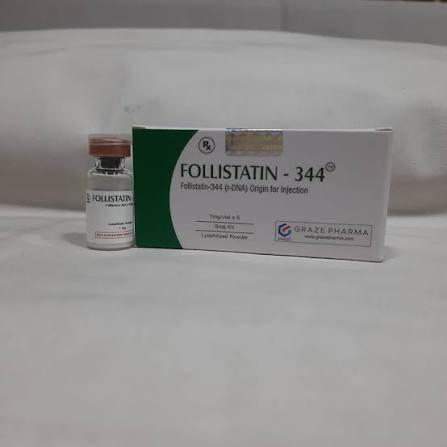
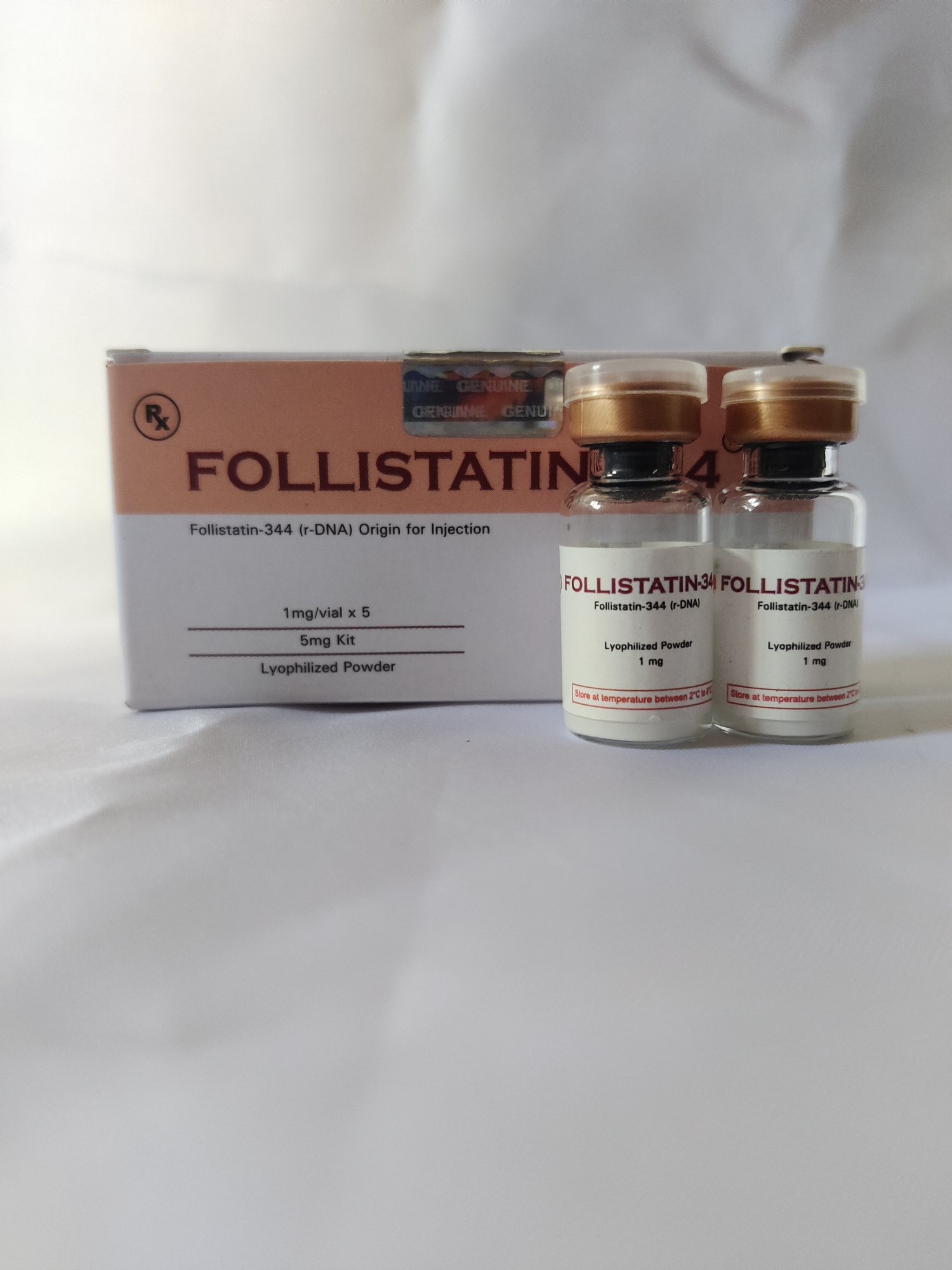

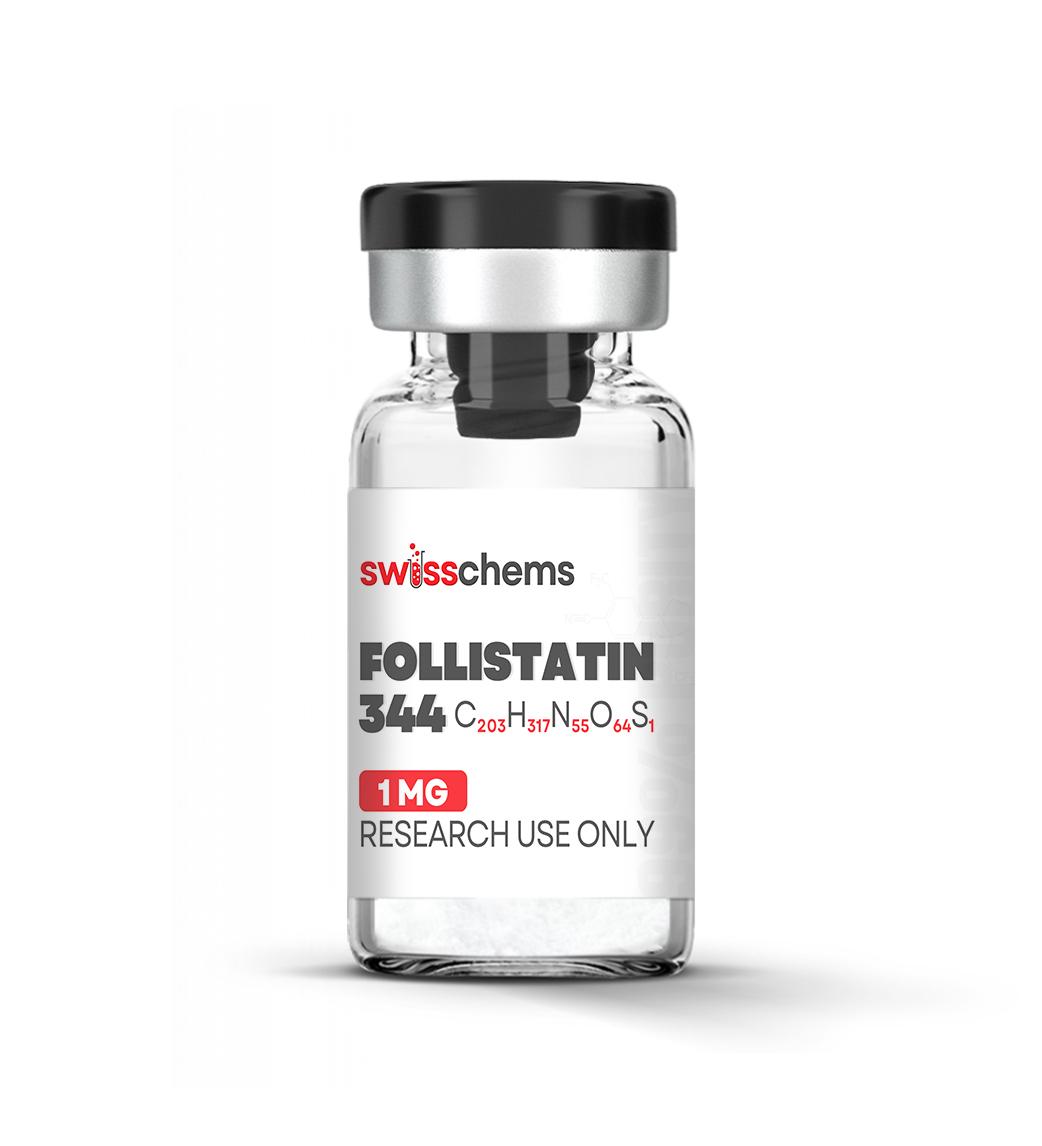
Follistatin 344 represents a fascinating intersection of genetics, muscle biology, and metabolism. The health benefits observed in clinical research—specifically improved ambulation in neuromuscular disease, reduced muscle fibrosis, and favorable metabolic changes in animal models—provide a strong scientific foundation for continued investigation.
Follistatin 344 (FST-344) represents a focal point in the ongoing convergence of molecular biology, regenerative medicine, and performance science. As a naturally occurring glycoprotein intimately involved in the regulation of the transforming growth factor-beta (TGF-β) superfamily, FST-344 has garnered significant attention for its role as a potent antagonist of myostatin—a primary negative regulator of muscle growth.
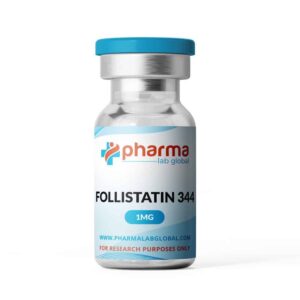
Follistatin 344 represents a fascinating intersection of genetics, muscle biology, and metabolism. The health benefits observed in clinical research—specifically improved ambulation in neuromuscular disease, reduced muscle fibrosis, and favorable metabolic changes in animal models—provide a strong scientific foundation for continued investigation.
Document Classification: Internal Marketing & Product Education
Version: 4.2
Date: October 2026
Subject: Follistatin 344 (FST-344) – Mechanism, Research Landscape, and Positioning
This document serves as a comprehensive marketing and production description. It is designed to educate stakeholders, outline the scientific rationale, differentiate the clinical research pathway from the gray-market landscape, and position FST-344 not as a simple “muscle drug,” but as a sophisticated biological tool with potential implications for metabolic health, muscle-wasting conditions, and adipose tissue regulation.
It is imperative that all marketing communications strictly adhere to the distinction between investigational gene therapy (the legitimate clinical application of the FST-344 sequence) and unapproved research chemicals (the injectable peptides sold online). This description highlights the health benefits observed in preclinical and early-phase clinical trials while maintaining rigorous compliance regarding the unapproved status of the compound.
Nomenclature and Structure
Follistatin 344 (FST-344) is a specific isoform of the follistatin protein. The nomenclature “344” refers to the number of amino acids in the precursor protein before post-translational modification. In the human body, the FST gene, located on chromosome 5q11.2, undergoes alternative splicing to produce two primary transcripts: a full-length version encoding the 344-amino acid preprotein and a shorter version missing exon 6 . Upon secretion, the signal peptide is cleaved, resulting in the circulating mature forms, predominantly FS-315 (the long isoform) and FS-288 (the short isoform) .
Crucially, the clinical and research interest in the 344 isoform stems from its ability to be delivered via gene therapy vectors (such as AAV1) to produce the FS-315 circulating isoform. Unlike the FS-288 isoform, which binds tightly to cell-surface heparan sulfate proteoglycans, the FS-315 isoform circulates in the serum. This distinction is vital for the safety profile, as the circulating isoform has a limited effect on the pituitary-gonadal axis compared to the cell-surface-binding short isoform .
Mechanism of Action: The Myostatin Brake
The primary biological function of follistatin is to bind and neutralize members of the TGF-β superfamily, most notably myostatin (GDF-8) and activin A. Myostatin is a negative regulator of skeletal muscle mass; it signals through the ActRIIB receptor to inhibit muscle protein synthesis and satellite cell activation. By binding to myostatin, follistatin prevents this interaction, effectively “releasing the brake” on muscle growth .
In preclinical models, the administration of FST-344 via viral vectors has consistently resulted in profound skeletal muscle hypertrophy and hyperplasia. This mechanism is the cornerstone of the product’s value proposition in the context of neuromuscular diseases and age-related sarcopenia.
It is critical for marketing materials to accurately reflect the source of the health claims. The majority of human data for Follistatin 344 comes from gene therapy clinical trials conducted by academic institutions (e.g., Nationwide Children’s Hospital) for conditions like Becker Muscular Dystrophy (BMD) and Sporadic Inclusion Body Myositis (sIBM).
These trials utilized AAV1 vectors to deliver the Follistatin 344 gene directly into the muscle, resulting in localized expression and secretion of the follistatin protein. These benefits have not been established for the injectable “research chemical” peptides sold on the gray market.
Skeletal Muscle Hypertrophy and Functional Strength
The most robust data supporting FST-344’s benefits lie in its ability to increase muscle mass and function in degenerative conditions.
· Becker Muscular Dystrophy (BMD): In a Phase 1/2a clinical trial, patients received intramuscular injections of AAV1.CMV.huFS344. The results were promising. Four out of six patients demonstrated improvements in walking distance (ranging from 29 to 125 meters) over the course of the study. Muscle biopsies revealed evidence of increased muscle regeneration and reduced fibrosis, suggesting that the therapy was not only preserving muscle but actively improving its quality .
· Sporadic Inclusion Body Myositis (sIBM): A subsequent trial involving six patients with sIBM compared treated subjects to matched, untreated controls. The treated group showed a median improvement of +56.0 meters per year on the 6-minute walk test, whereas the control group declined by -25.8 meters per year (p = 0.01). This statistically significant functional improvement underscores the potential of follistatin to modify the disease trajectory in inflammatory myopathies .
· Preclinical Primate Data: In non-human primates (cynomolgus macaques), AAV1-FS344 delivery induced “pronounced and durable increases in muscle size and strength” without adverse effects on organ systems or reproductive capabilities .
Marketing Implication: Position Follistatin 344 research as a frontier in muscle preservation and regeneration. The health benefit here is not merely “getting huge” but retaining functional independence and combating cachexia/sarcopenia.
Metabolic Health and Adipose Browning
Emerging research indicates that the benefits of follistatin extend beyond skeletal muscle. A 2026 study published in PMC investigated the effect of Follistatin 344 gene delivery on atherosclerosis in LDL receptor-deficient mice fed a Western diet .
The study revealed that FST-344 treatment:
1. Promoted Adipose Browning: There was a significant increase in the expression of uncoupling protein 1 (UCP1) and other beige adipocyte markers (Tmem26, Cidea, Nrg4) in white adipose tissue. This suggests a shift from energy-storing white fat to energy-burning beige fat .
2. Suppressed Inflammation: The treatment significantly downregulated adhesion molecules (VCAM1, ICAM1) and inflammatory mediators (TNF-α, iNOS) in white adipose tissue, the liver, and the heart. This indicates a systemic anti-inflammatory effect .
3. Modulated Arginine Metabolism: Follistatin delivery was associated with increased ornithine and decreased arginine/citrulline levels, suggesting a role in activating arginase 1 (Arg1), which correlated with reduced aortic lesion area .
Marketing Implication: This is a crucial differentiator. Follistatin 344 is not just a muscle agent; it is a metabolic modulator. The health benefits here relate to cardiovascular health, insulin sensitivity, and body composition optimization (reducing fat while preserving lean mass).
Safety and Tolerability in Clinical Settings
In the context of legitimate gene therapy trials, the safety profile has been described as favorable. Long-term expression of the transgene (up to two years in some studies) did not produce abnormal changes in the morphology or function of key organs . Importantly, the use of the Follistatin 344 sequence was specifically chosen to avoid the off-target effects on the pituitary-gonadal axis that might be seen with other follistatin isoforms . No changes in reproductive capabilities were observed in preclinical species or early human trials .
| Form | Injection |
| Packaging Type | Vial |
| Purity | 99% |
| Usage/Application | Improves Muscle Growth (Both Hypertrophy and Hyperplasia) |
| Brand | Peptide |
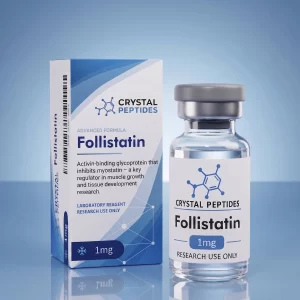
A responsible marketing description of Follistatin 344 must include an unequivocal Safety and Risk Disclosure. This is not just a legal formality; it is a core part of the product’s identity.
The “Research Chemical” Problem
The Follistatin 344 available for purchase online (often labeled “for research purposes only”) is not the same product used in the clinical trials. Clinical trials used viral vector-mediated gene therapy (AAV1-FS344), which instructs the patient’s own muscle cells to produce the protein continuously. In contrast, the gray-market product is a recombinant protein often expressed in E. coli.
· Purity and Identity: WADA-funded research analyzed 17 black-market follistatin products. Only 9 of the 17 actually contained follistatin. Furthermore, all nine contained a His-tagged recombinant protein with a high degree of oligomers (clumping), which is not characteristic of the natural human protein. Some of the other products contained entirely different growth-promoting peptides (e.g., MGF, GHRP-2) .
· Lack of Glycosylation: Because the black-market proteins are made in bacteria, they lack the glycosylation (sugar attachments) that human endogenous follistatin has. This can lead to unpredictable immune responses or rapid clearance .
Documented Adverse Events
Marketing materials must acknowledge the risks reported in the literature, particularly those associated with unsupervised use.
· Central Serous Chorioretinopathy (CSCR): A case series documented 11 bodybuilders who developed CSCR (fluid leakage under the retina causing visual distortion) after subcutaneous injection of high-dose (1 mg) Follistatin-344. While the condition resolved in most patients after a single injection, those who continued to inject developed recurrent CSCR .
· Preclinical Safety Signals: In mouse models of Pompe disease, high systemic levels of follistatin were associated with a dose-dependent increase in rectal prolapses. This was observed in both diseased and wild-type mice, suggesting a potential off-target effect of high systemic follistatin exposure .
· Theoretical Risks of Myostatin Inhibition: Because myostatin plays a role in tendon and bone health, long-term inhibition raises theoretical concerns about weakened tendons, reduced bone density, and potential cardiac fibrosis (as the heart is also a muscle). While clinical gene therapy trials have not reported these issues in the short term, the long-term risks of systemic myostatin suppression remain unknown .
Regulatory Status: Follistatin 344 is FDA-approved for any indication. It is listed as a prohibited substance (Class S4: Hormone and Metabolic Modulators) by the World Anti-Doping Agency (WADA) and is banned at all times in sport .
Note: This section is intended for internal stakeholders to understand the complexities of manufacturing a compliant or research-grade product.
The Gene Therapy Vector (Clinical Reference)
For the legitimate clinical application, the “production” involves the manufacturing of an Adeno-Associated Virus (AAV) vector. The process includes:
1. Plasmid Construction: Cloning the human Follistatin 344 cDNA into an expression cassette (e.g., under a CMV promoter).
2. Transfection: Co-transfecting HEK293 cells with the vector plasmid, a packaging plasmid, and a helper plasmid.
3. Harvesting and Purification: Harvesting the AAV1 particles and purifying them via gradient centrifugation or chromatography to ensure high titer and low empty capsid content.
4. Quality Control: Testing for sterility, endotoxin, and vector genome integrity.
The Recombinant Peptide (Research/Gray Market)
If producing a recombinant protein for in vitro research:
1. Expression System: Often E. coli (which leads to the aforementioned lack of glycosylation) or CHO cells (for a more native-like profile).
2. Refolding: Follistatin is a cysteine-rich protein. Proper disulfide bond formation is critical for its ability to bind myostatin. Misfolded protein is biologically inactive and can aggregate (as seen in the black-market samples).
3. Purification: Affinity tagging (e.g., His-tag) is common, but the tag must ideally be cleaved for functional assays to avoid interference. The presence of uncleaved tags in black-market samples is a marker of poor quality
Marketing Positioning on Quality: Emphasize that legitimate research requires characterized, monomeric, and properly folded protein, and that the variability of gray-market sources poses a significant confound to any user or researcher.
For the Research Community
Value Proposition: FST-344 is a critical tool for studying TGF-β superfamily signaling, muscle wasting, and metabolic disorders.
Key Benefits to Highlight:
· Validated target: Myostatin/Activin inhibition.
· Robust preclinical data across species (mice, non-human primates).
· Potential as an adjuvant in metabolic syndrome research (browning of WAT, anti-atherogenic effects).
For the Health & Longevity Enthusiast (Educational Content)
Value Proposition: Understanding the biological “brakes” on muscle growth and metabolic efficiency.
Key Benefits to Highlight (Framed as Research Findings):
· Muscle Preservation: The clinical data in BMD and sIBM show that follistatin expression can improve walking distance and reduce fibrosis. This translates to the concept of “quality of life” preservation.
· Metabolic Flexibility: The animal data on adipose browning and reduced inflammation suggests a role in metabolic health and body composition.
· The “Follistatin/Myostatin Ratio”: Exercise physiology studies (e.g., in overweight men) note that resistance training naturally increases the follistatin/myostatin ratio, which correlates with improved body composition. Follistatin 344 research is essentially an exploration of amplifying this natural mechanism .
For the Bodybuilding/Performance Audience (Risk-Aware Content)
Value Proposition: Educational content on the mechanism of myostatin inhibition.
Critical Messaging:
· Do not buy black market. The risk of CSCR (vision loss) and impure products is high.
· WADA Ban: It is detectable. WADA has developed specific detection methods for black-market FST-344 (using the His-tag as a marker) and can distinguish it from endogenous follistatin .
· The “E. coli” Problem: Emphasize that injectable peptides from chemical suppliers are not pharmaceutical-grade and carry significant health risks.
Q: Is Follistatin 344 legal?
A: The research of Follistatin 344 is legal. However, it is FDA-approved for human consumption. Selling it as a dietary supplement or for human injection is illegal in many jurisdictions. It is banned by WADA for athletes .
Q: Does Follistatin 344 really work for muscle growth?
A: In clinical gene therapy trials, Follistatin 344 expression has been shown to improve walking distance and muscle quality in patients with muscular dystrophy and inclusion body myositis . However, the injectable “peptide” sold online has never been tested in a controlled human trial for safety or efficacy .
Q: What are the side effects?
A: In clinical trials, the gene therapy was generally well-tolerated. However, off-label use of high-dose injectable Follistatin 344 has been linked to Central Serous Chorioretinopathy (vision problems) in bodybuilders . Theoretical risks of long-term myostatin inhibition include tendon weakening and cardiac concerns.
Q: Can I use Follistatin 344 for fat loss?
A: Preclinical research in mice suggests that follistatin promotes “browning” of white fat, which increases energy expenditure . However, this has not been proven in humans. Marketing should avoid making direct fat-loss claims and instead refer to “metabolic research.”
Follistatin 344 represents a fascinating intersection of genetics, muscle biology, and metabolism. The health benefits observed in clinical research—specifically improved ambulation in neuromuscular disease, reduced muscle fibrosis, and favorable metabolic changes in animal models—provide a strong scientific foundation for continued investigation.
However, the commercial landscape is fraught with risk. The gap between the legitimate clinical gene therapy and the unregulated research chemical market is vast. A successful marketing strategy must bridge this gap by providing education, safety warnings, and a clear separation of clinical facts from anecdotal hype.
By focusing on the mechanism of action (myostatin inhibition and activin modulation) and the high-level clinical outcomes (functional improvement, not just size), we can position Follistatin 344 as a premium research subject. The future of this compound lies not in the gym, but in the clinic—where it may one day become a standard of care for muscle-wasting diseases, metabolic disorders, and age-related frailty.
Final Compliance Note: All marketing materials must include the disclaimer: “Follistatin 344 is an investigational compound. It is not FDA-approved for human use. The injectable peptides sold online are not pharmaceutical-grade and carry significant health risks. The clinical benefits described herein refer to gene therapy trials conducted in academic settings and are not applicable to unapproved products.”
| Choose | Follistatin 344, Follistatin 315 |
|---|---|
| Quantity | 1, 2, 5, 10 |
Only logged in customers who have purchased this product may leave a review.


Reviews
There are no reviews yet.