
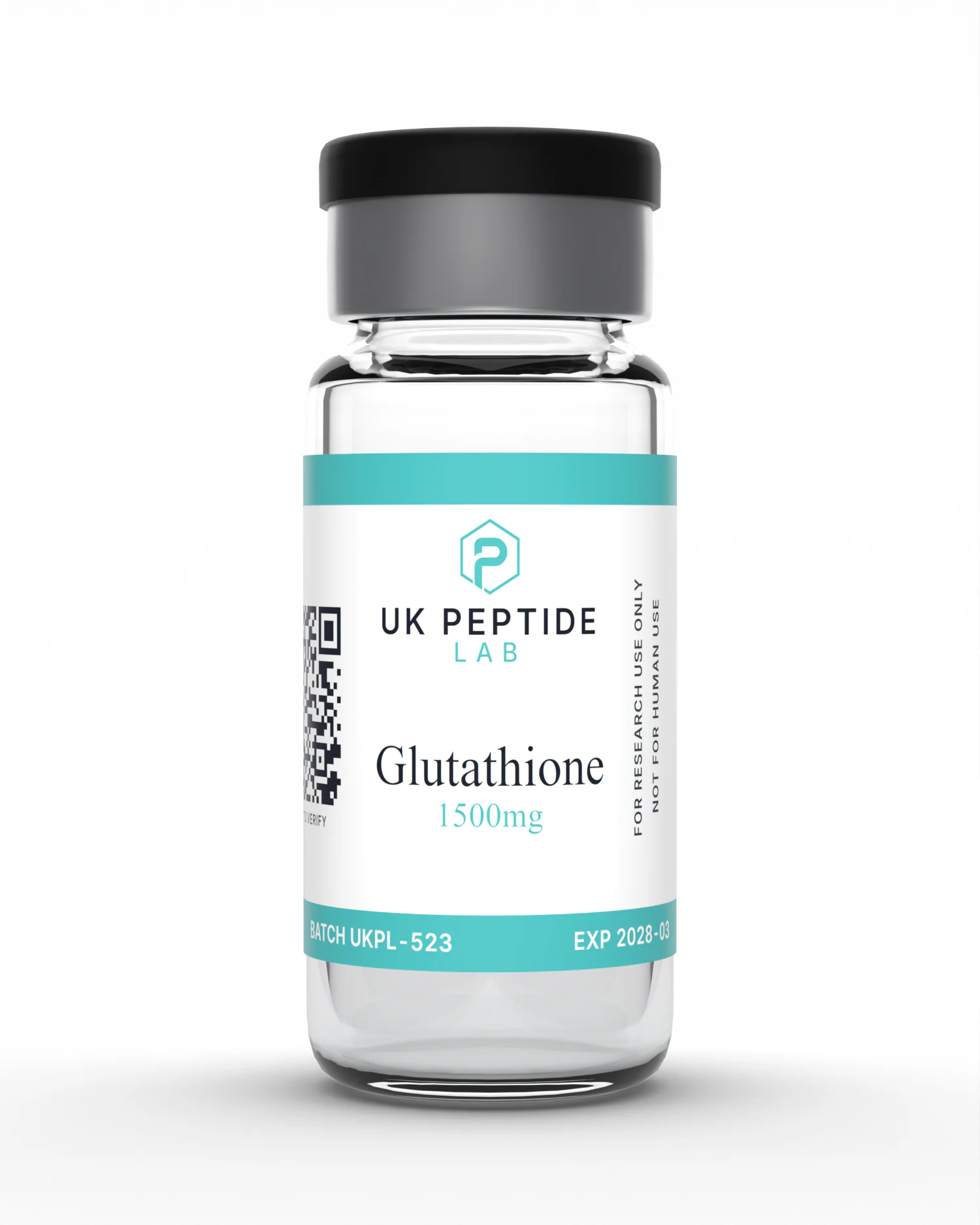
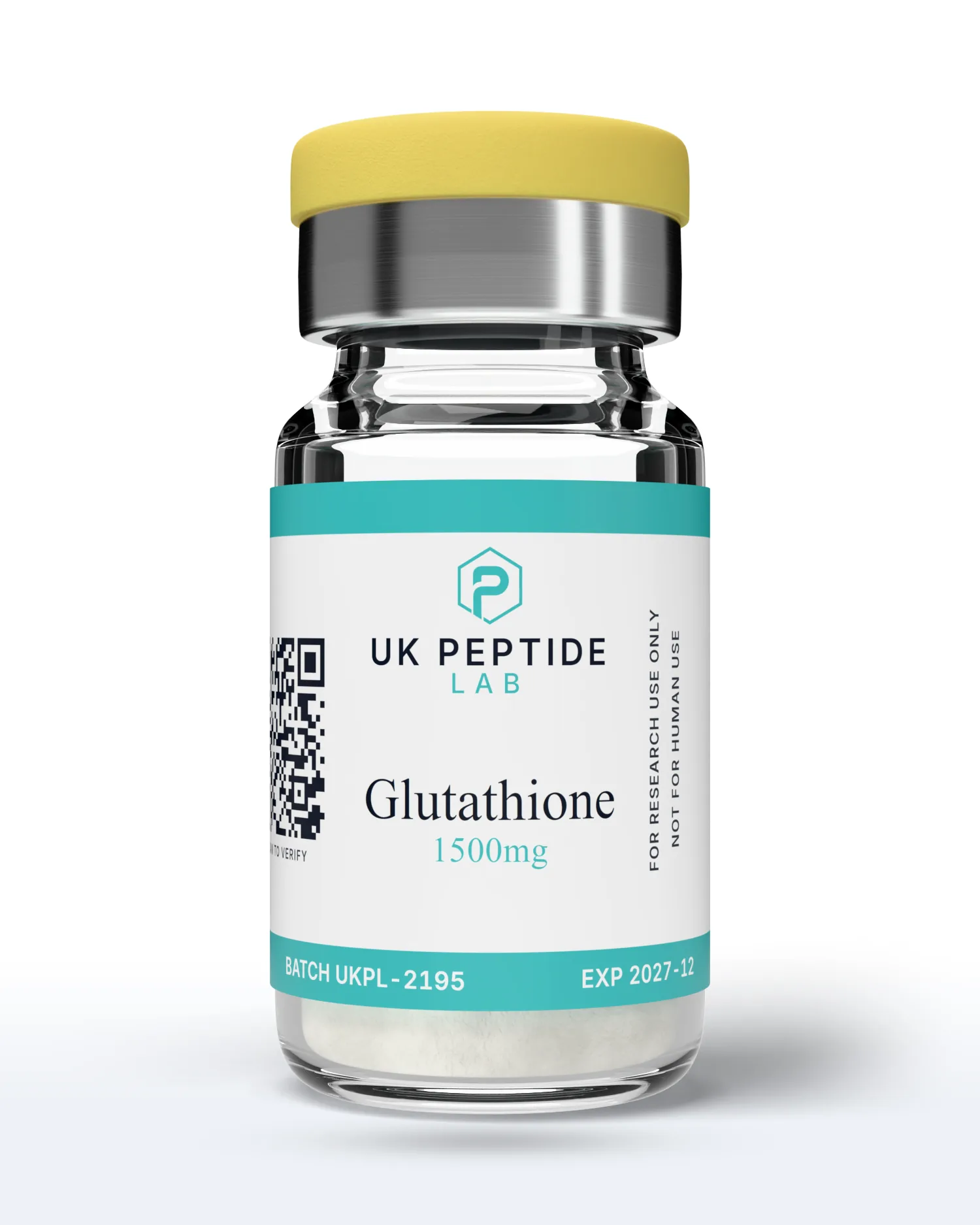
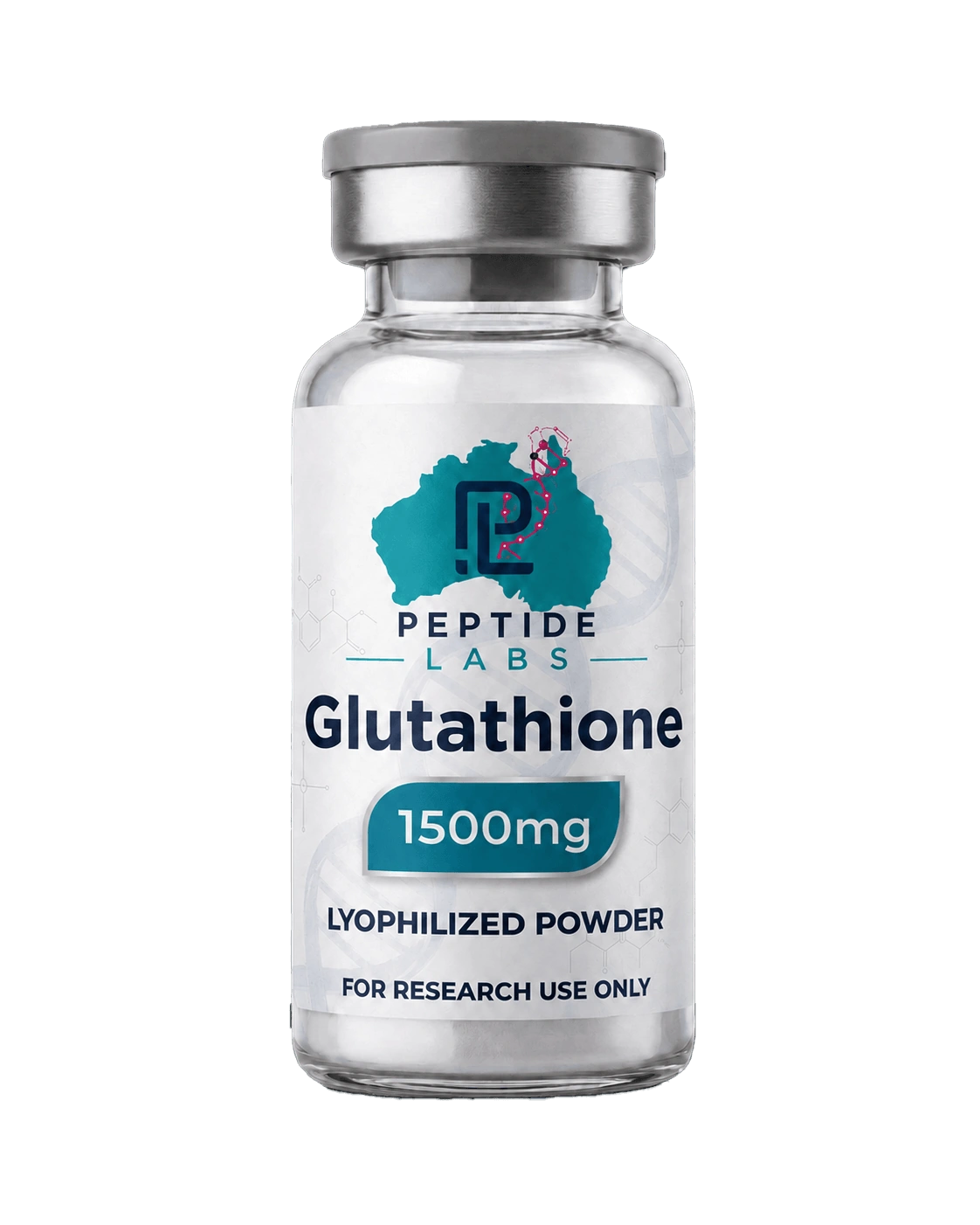
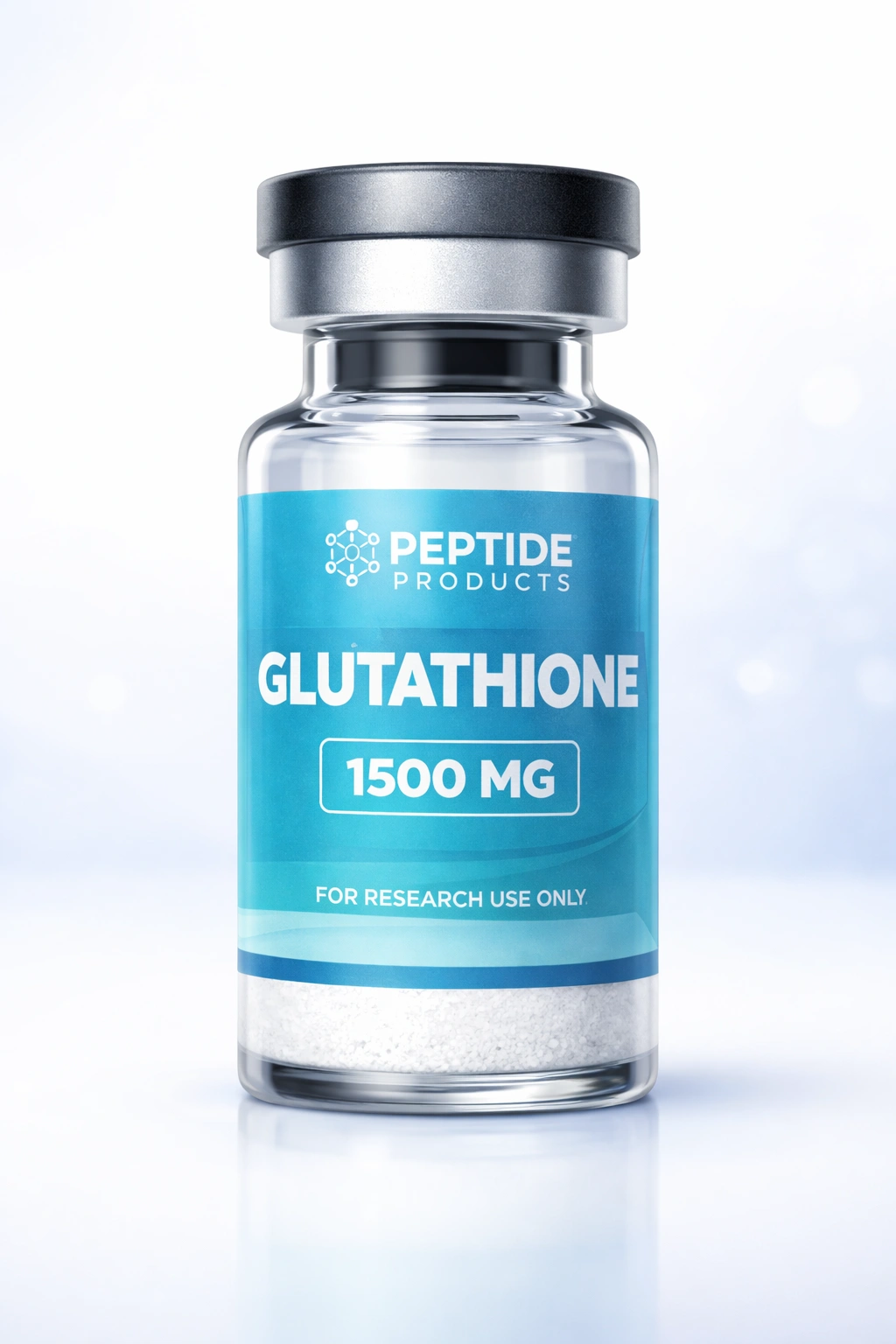
Glutathione is a scientifically valid and commercially valuable ingredient with a legitimate biochemical basis for both antioxidant and skin-brightening effects. However, its efficacy is highly dependent on the route of administration, formulation quality, and patient selection.
Introduction: The Master Antioxidant and Its Expanding Role in Dermatology
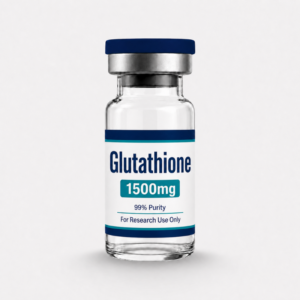
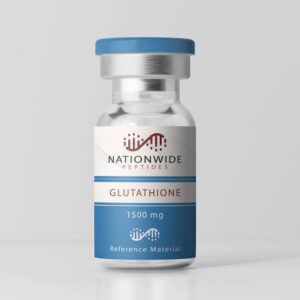
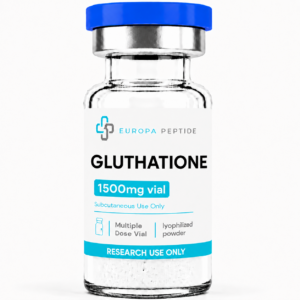
Glutathione is a tripeptide composed of glutamate, cysteine and glycine, synthesised intracellularly in mammals and present in millimolar concentrations in most tissues. Research has investigated its role as a major antioxidant, electrophile scavenger and substrate for glutathione peroxidase and glutathione S-transferase enzymes in oxidative stress and detoxification pathways. Lyophilised powder, third-party tested.
Y-L-glutamyl-L-cysteinylglycine is a ubiquitous tripeptide composed of three amino acids: cysteine, glycine, and glutamate. It is synthesized endogenously within virtually all mammalian cells, with the highest concentrations found in the liver, where it serves as the body’s primary non-enzymatic antioxidant and a critical regulator of cellular redox homeostasis .
Beyond its fundamental role in protecting cells from oxidative stress and detoxifying xenobiotics, glutathione has garnered immense attention in recent decades for a secondary, commercially compelling property: its capacity to modulate melanogenesis, the biological pathway responsible for skin pigmentation .
The global demand for skin-lightening and skin-brightening products has created a market in which glutathione is positioned as a marquee active ingredient. It is available in a bewildering array of delivery formats—oral capsules, sublingual lozenges, topical serums and creams, and, controversially, intravenous infusions. However, the proliferation of consumer products has outpaced a nuanced public understanding of the clinical evidence.
The pharmacological behavior of glutathione is highly dependent on its route of administration, its chemical form (reduced versus oxidized), and its formulation stability. Furthermore, the regulatory status of glutathione varies dramatically across jurisdictions; while it is a recognized pharmaceutical for hepatic protection in some countries, it is sold as a dietary supplement or cosmetic agent in others, often with claims that exceed the current scientific consensus .
This production description aims to provide a rigorous, evidence-based overview of glutathione as an active ingredient. It will delineate the biochemical mechanisms underlying its antioxidant and anti-melanogenic effects, critically evaluate the clinical evidence for oral, topical, and intravenous formulations, address safety and regulatory considerations, and offer a balanced perspective on its role in contemporary dermatological and aesthetic practice.
To appreciate glutathione’s effects on the skin, one must first understand its fundamental biochemistry. Glutathione exists in two primary forms: the reduced monomer (GSH), which is the biologically active antioxidant, and the oxidized dimer (GSSG), which is formed when GSH neutralizes reactive oxygen species (ROS). The ratio of GSH to GSSG is a key indicator of cellular oxidative stress .
Glutathione is a scientifically valid and commercially valuable ingredient with a legitimate biochemical basis for both antioxidant and skin-brightening effects. However, its efficacy is highly dependent on the route of administration, formulation quality, and patient selection.
The Antioxidant Function
Glutathione’s antioxidant capacity is attributed to the sulfhydryl (-SH) group on its cysteine residue. This thiol group acts as a potent electron donor, scavenging free radicals such as hydroxyl radicals, lipid peroxides, and peroxynitrite.
By doing so, it protects critical cellular components—including proteins, lipids, and DNA—from oxidative damage . In the skin, this antioxidant activity is crucial for combating photoaging caused by ultraviolet (UV) radiation, which generates ROS that degrade collagen and elastin fibers.
The Anti-Melanogenic Mechanism
The skin-lightening effect of glutathione is not achieved through a bleaching process but rather through a multi-pronged modulation of the melanin synthesis pathway. The proposed mechanisms are as follows:
1. Direct Tyrosinase Inhibition: Tyrosinase is the rate-limiting enzyme in melanin production. Glutathione, through its thiol group, can chelate the copper ions at the active site of tyrosinase, thereby directly inactivating the enzyme .
2. Eumelanin-to-Pheomelanin Shift: Melanin exists in two primary forms: eumelanin (dark brown/black) and pheomelanin (yellow/red). Glutathione is believed to intervene in the polymerization process, favoring the production of the lighter pheomelanin pigment over the darker eumelanin .
3. Redox Regulation of Melanogenesis: Oxidative stress is known to stimulate melanin production. By quenching ROS, glutathione creates a cellular environment less conducive to melanin synthesis .
4. Modulation of MITF: Glutathione may also downregulate microphthalmia-associated transcription factor (MITF), a master regulator that controls the expression of tyrosinase and other melanogenic proteins .
It is important to note that these mechanisms are largely derived from in vitro and animal studies. The translation of these biochemical effects into visible clinical lightening in humans is subject to the pharmacokinetic challenges discussed below.
The efficacy and safety profile of glutathione is inextricably linked to its route of administration. The three primary routes—oral, topical, and intravenous—exhibit distinct pharmacokinetic behaviors, clinical outcomes, and risk profiles.
Oral Glutathione: Systemic Potential with Variable Results
Oral glutathione is the most accessible and widely consumed form. However, its pharmacokinetics present a significant challenge. Historically, it was believed that oral glutathione was entirely hydrolyzed in the gastrointestinal tract into its constituent amino acids, rendering it incapable of raising systemic GSH levels. However, more recent research has challenged this dogma.
A landmark 2015 randomized controlled trial by Richie et al. demonstrated that long-term oral supplementation (250 mg/day or 1,000 mg/day for six months) did raise GSH levels in blood and tissues in a dose-dependent manner, with the high-dose group showing increases of 30-35% in erythrocytes and plasma . This suggests that some intact glutathione or its precursors are absorbed and utilized.
Glutathione is a scientifically valid and commercially valuable ingredient with a legitimate biochemical basis for both antioxidant and skin-brightening effects. However, its efficacy is highly dependent on the route of administration, formulation quality, and patient selection.
Clinical Efficacy for Skin Lightening:
The evidence for oral glutathione’s skin-lightening efficacy is moderately positive but heterogeneous.
· Positive Findings: Several randomized controlled trials (RCTs) have reported significant reductions in melanin indices. A double-blind, placebo-controlled study found that 500 mg/day of oral glutathione for four weeks significantly reduced melanin levels in sun-exposed areas (face and wrists) compared to placebo . Another study using 500 mg/day as a lozenge for eight weeks reported medium-level skin lightening in 90% of participants .
· Combination Therapy: The efficacy appears enhanced when combined with other agents. A study by Wahab et al. demonstrated that combining oral and topical glutathione produced superior results compared to either monotherapy alone . Furthermore, a formulation containing 2400 mg of glutathione and 300 mg of L-cystine showed significant improvement in facial skin lightening and reduction of dark spots .
· Inconsistencies: Not all studies are positive. Some research has found no significant changes in melanin indices or oxidative stress biomarkers, highlighting the variability in individual responses . Factors such as baseline glutathione levels, genetic polymorphisms, and study duration contribute to this variability.
Safety: Oral glutathione is generally well-tolerated. Reported side effects are typically mild and transient, including gastrointestinal discomfort such as bloating, abdominal cramps, and loose stools . Long-term safety data beyond six months are limited but generally reassuring .
Topical application aims to deliver glutathione directly to the epidermis, bypassing systemic metabolism. The primary challenge here is skin penetration and formulation stability, as glutathione is highly susceptible to oxidation and degradation .
Clinical Efficacy:
Topical has shown promising results, particularly in treating localized hyperpigmentation like melasma.
· Melasma and Hyperpigmentation: A double-blind, placebo-controlled trial using a 2% oxidized glutathione (GSSG) lotion applied twice daily for 10 weeks demonstrated a significant reduction in melanin indices compared to placebo, along with improvements in skin moisture and texture . In another study, 2% topical glutathione applied for 90 days resulted in a 67.4% reduction in the mMASI score (a measure of melasma severity) .
· Concentration Matters: Research indicates a dose-response relationship. A study comparing different concentrations found that 0.5% glutathione was significantly more effective than 0.1% and placebo .
· Combination and Enhancement: The efficacy of topical can be enhanced through combination with other depigmenting agents (like niacinamide, tranexamic acid, or vitamin C) or through physical enhancement techniques like microneedling. Studies have shown that glutathione plus microneedling yields greater improvement than glutathione alone .
Safety: Topical is associated with minimal adverse effects. Some users may experience mild skin irritation or contact dermatitis, but it is generally considered safe for cosmetic use .
Intravenous, often marketed as “skin whitening injections,” delivers the compound directly into the bloodstream, achieving the highest systemic concentrations. However, this route is the most controversial and is associated with significant safety and regulatory concerns.
Efficacy Evidence:
The clinical evidence for IV glutathione is weak. A systematic review identified only one placebo-controlled study, which showed a non-significant trend toward improvement (37.5% vs. 18.7%, p=0.054) . A major confounding factor is that IV glutathione is frequently co-administered with high-dose intravenous vitamin C.
Because vitamin C itself has well-established anti-melanogenic properties, it is impossible to attribute any observed clinical improvement solely to glutathione in these protocols . The perceived benefits are often short-lived, and there is no evidence that IV administration produces more durable results than oral or topical routes.
Safety and Regulatory Concerns:
The safety profile of IV glutathione is significantly more concerning than other routes.
· Lack of Long-Term Data: There is a paucity of long-term safety data for repeated IV glutathione infusions .
· Adverse Effects: Potential risks include hepatotoxicity, thyroid dysfunction, and renal impairment, although causality is often uncertain due to polypharmacy in cosmetic infusion cocktails .
· Regulatory Advisories: Multiple regulatory bodies, including the Philippine FDA and other international health authorities, have issued advisories against the use of IV glutathione for skin whitening due to insufficient evidence of efficacy and serious safety concerns . The practice remains largely unregulated in many jurisdictions, raising concerns about product purity and sterility.
The instability and poor bioavailability of glutathione have spurred significant innovation in formulation science. The goal is to protect the tripeptide from degradation and enhance its delivery to target tissues.
Liposomal Encapsulation: This is one of the most promising strategies for oral delivery. By encapsulating it in a lipid bilayer, it is shielded from gastrointestinal enzymes and hepatic first-pass metabolism. A study on liposomal glutathione showed that it increased whole blood GSH by approximately 40% and plasma GSH by 28% after two weeks of supplementation, with a notable 100% increase in peripheral blood mononuclear cell GSH, suggesting enhanced cellular uptake .
Modified Forms and Conjugates: For topical applications, researchers have explored modified forms, such as S-acyl derivatives, which are more lipophilic and stable, allowing for better penetration through the stratum corneum . Other formulations use precursors like N-acetylcysteine (NAC), which is more stable and efficiently converted to glutathione intracellularly .
Nanotechnology: The use of nanoparticles (e.g., solid lipid nanoparticles, nanostructured lipid carriers) is being investigated to improve both the stability and targeted delivery of glutathione in topical and oral formulations .
Overall, in oral and topical forms has a favorable safety profile for cosmetic use.
· Common Side Effects: Oral may cause mild gastrointestinal symptoms such as bloating, nausea, and abdominal cramps. Topical glutathione may rarely cause local irritation .
· Contraindications and Interactions: Individuals with a known allergy or its components should avoid it. There is a potential interaction with nitroglycerin (used for angina), where glutathione may potentiate its blood-pressure-lowering effect and cause severe headaches . For IV glutathione, the risks are substantially higher, as discussed in Section 3.3.
It is a scientifically valid and commercially valuable ingredient with a legitimate biochemical basis for both antioxidant and skin-brightening effects. However, its efficacy is highly dependent on the route of administration, formulation quality, and patient selection.
The regulatory status of glutathione is fragmented globally.
· Pharmaceutical Status: In some countries, like the brand Atomolan is approved as a prescription drug for specific medical indications, such as adjunctive therapy in chronic hepatitis B or as a supportive treatment during chemotherapy to reduce side effects . In these contexts, it is regulated with strict quality controls.
· Dietary Supplement Status: In the United States and many other markets, glutathione is sold as a dietary supplement. This means it is not subject to the same pre-market efficacy and safety review as pharmaceuticals. Manufacturers are responsible for the accuracy of their claims, but the FDA does not evaluate these products for effectiveness before they are marketed.
· Cosmetic Ingredient: In topical formulations, glutathione is used as a cosmetic ingredient. Claims must be limited to cosmetic effects (e.g., “brightens skin,” “reduces the appearance of dark spots”) rather than therapeutic claims (e.g., “treats melasma”).
For formulators and brand owners, this means that product claims must be carefully calibrated to the regulatory status of the product in the target market. Oral supplements should avoid disease claims, while topical products should focus on cosmetic appearance rather than medical treatment.
It is a scientifically valid and commercially valuable ingredient with a legitimate biochemical basis for both antioxidant and skin-brightening effects. However, its efficacy is highly dependent on the route of administration, formulation quality, and patient selection.
Summary of Evidence:
· Topical: Best supported by clinical data for localized hyperpigmentation (melasma, sun spots). Efficacy is concentration-dependent (0.5-2%) and enhanced by stable formulations and combination with other actives. It is the safest and most targeted cosmetic approach.
· Oral: Shows moderate, systemic skin-brightening potential, particularly when used consistently over several weeks and in combination with topical agents. Bioavailability is the key hurdle, and advanced delivery systems (liposomal, precursor-based) are preferable. Safety is good for short-to-medium term use.
· Intravenous: Not recommended for cosmetic use. The evidence for efficacy is weak, the safety profile is concerning, and regulatory advisories exist. Its use should be confined to supervised medical research or specific clinical indications under a physician’s care.
Strategic Recommendations for Product Development:
1. Prioritize Topical and Oral Formats: Focus R&D resources on developing stable, bioavailable topical serums/creams and oral supplements (preferably liposomal or with absorption enhancers).
2. Emphasize Combination Formulas: The evidence strongly supports the synergy with other actives like Vitamin C, Niacinamide, and Tranexamic Acid. Formulations that combine these mechanisms offer a superior value proposition.
3. Invest in Stability Testing: It is prone to oxidation. Rigorous stability testing and the use of protective packaging (e.g., airless pumps, opaque containers) are essential to ensure product efficacy.
4. Adopt Evidence-Based Marketing: Avoid hyperbolic “whitening” or “bleaching” claims. Position the ingredient around “brightening,” “evening skin tone,” and “antioxidant protection,” supported by the mechanistic and clinical data. Transparency about the need for consistent use and realistic expectations is key to building long-term brand trust.
5. Address the IV Controversy: If a brand offers IV services, it must be done under strict medical supervision with full disclosure of the risks and the lack of robust efficacy data. For most cosmetic brands, it is advisable to distance the brand from unregulated IV practices and focus on safer, evidence-based delivery routes.
In conclusion, it remains a powerful tool in the aesthetic formulator’s arsenal, provided it is used with a clear understanding of its pharmacokinetics, a commitment to formulation quality, and an honest, evidence-based approach to marketing and consumer education.
This production description aims to provide a rigorous, evidence-based overview of glutathione as an active ingredient. It will delineate the biochemical mechanisms underlying its antioxidant and anti-melanogenic effects, critically evaluate the clinical evidence for oral, topical, and intravenous formulations, address safety and regulatory considerations, and offer a balanced perspective on its role in contemporary dermatological and aesthetic practice.
| Choose | 1 Vial, 2 Vials, 5 Vials, 10 Vials |
|---|
Only logged in customers who have purchased this product may leave a review.

Reviews
There are no reviews yet.