
Desmopressin restores normal daily functioning, reduces the need for constant water access, and prevents the morbidity associated with chronic polyuria. For healthcare systems, effective CDI management reduces emergency department visits for dehydration and improves post-neurosurgical outcomes.
Desmopressin (1-deamino-8-D-arginine vasopressin, or DDAVP) stands as a cornerstone synthetic analogue of endogenous arginine vasopressin, engineered for enhanced selectivity, prolonged duration of action, and a superior safety profile compared to the native hormone . Since its initial regulatory approval in the United States in 1978, desmopressin has evolved from a niche endocrinologic replacement therapy into a versatile, multi-indication molecule with proven utility across endocrinology, urology, pediatrics, and hematology .
This production description provides a rigorous, evidence-based overview of desmopressin’s clinical pharmacology, manufacturing quality standards, and—most critically—its health benefits. The document is structured to support marketing and medical affairs teams in communicating the value proposition of desmopressin to diverse stakeholders. Key health benefits include: precise antidiuretic control in central diabetes insipidus, reduction of nocturnal polyuria in adults, management of primary nocturnal enuresis in children, and hemostatic efficacy in mild hemophilia A and von Willebrand Disease .
In an era where healthcare systems demand both clinical efficacy and cost-effectiveness, desmopressin’s established safety profile—when coupled with rigorous hyponatremia risk management—positions it as a reliable, accessible, and high-value therapeutic option. The global market for desmopressin remains robust, driven by aging populations, increased diagnosis of bleeding disorders, and the continued need for reliable antidiuretic therapies in both hospital and outpatient settings .
Chemical and Regulatory Overview
Desmopressin acetate is a synthetic peptide analogue of the natural pituitary hormone 8-arginine vasopressin (antidiuretic hormone, ADH). Its molecular structure incorporates two critical modifications: deamination of the N-terminal cysteine and substitution of L-arginine with D-arginine at position 8 .
These structural alterations confer resistance to enzymatic degradation, thereby extending the half-life and enhancing the therapeutic index relative to native vasopressin. The molecular formula is commonly cited as C₄₆H₆₄N₁₄O₁₂S₂·C₂H₄O₂·3H₂O, with a molecular weight of approximately 1183.34 g/mol for the acetate trihydrate form .
Regulatory approval history is extensive. The U.S. Food and Drug Administration (FDA) granted initial approval for desmopressin acetate injection in 1978, followed by nasal spray and tablet formulations in subsequent years . In the European Union, desmopressin has been authorized for decades, with specific products such as NOCDURNA (a low-dose oral lyophilisate for nocturia) receiving decentralized approval in 2016 . The molecule is listed under the Anatomical Therapeutic Chemical (ATC) code H01BA02, categorizing it as a posterior pituitary hormone .
Mechanism of Action: Selective V2 Receptor Agonism
Desmopressin’s therapeutic versatility stems from its high selectivity for the V2 receptor subtype, which is predominantly expressed in the renal collecting duct and the vascular endothelium. Unlike native vasopressin, which also activates V1 receptors to cause vasoconstriction and smooth muscle contraction, desmopressin exhibits minimal V1-mediated activity . This selectivity is the pharmacologic basis for its dual clinical utility.
Antidiuretic Mechanism (Renal V2 Receptors): Binding of desmopressin to V2 receptors in the basolateral membrane of renal collecting duct cells activates adenylate cyclase, increasing intracellular cyclic AMP (cAMP). This signaling cascade promotes the translocation of aquaporin-2 water channels to the apical membrane, thereby increasing water permeability and facilitating passive water reabsorption down the medullary osmotic gradient. The result is a concentration of urine and a reduction in urine volume, without significant sodium loss .
Hemostatic Mechanism (Endothelial V2 Receptors): Desmopressin stimulates the release of preformed von Willebrand factor (vWF) and factor VIII from endothelial storage pools (Weibel-Palade bodies) into the circulation. This effect is rapid, typically peaking within 30 to 90 minutes of intravenous or subcutaneous administration, making desmopressin a valuable hemostatic agent in mild bleeding disorders .
Pharmacokinetics and Formulation Diversity
Desmopressin is available in multiple formulations designed to optimize patient adherence and clinical context:
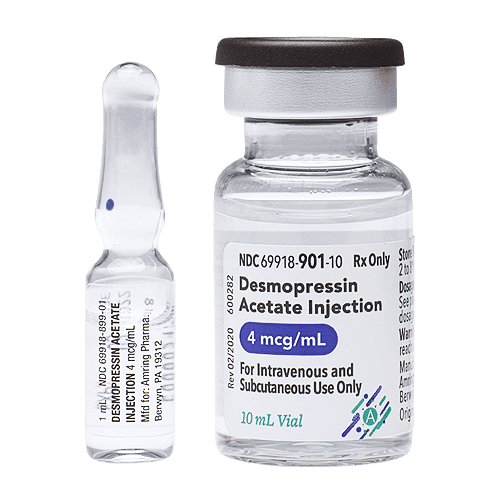
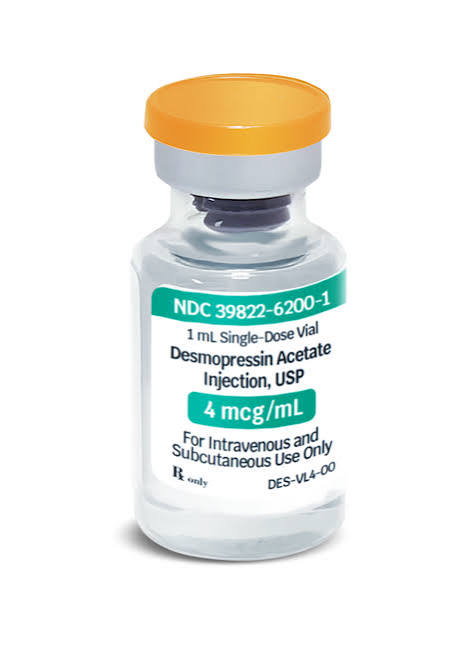
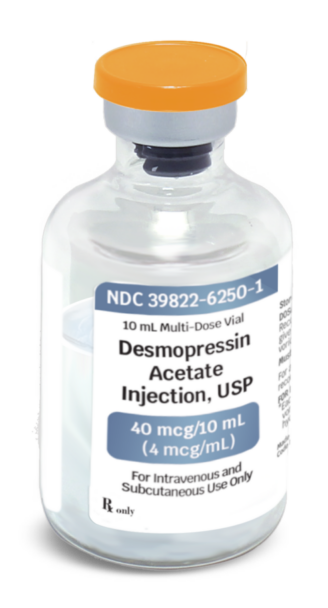
· Intravenous/Subcutaneous Injection: For acute settings requiring rapid onset, such as bleeding episodes or inpatient diabetes insipidus management. Bioavailability is approximately 100% .
· Intranasal Spray: A widely used outpatient formulation with a bioavailability of roughly 3% to 5% relative to injection. It offers convenience for chronic daily use but requires intact nasal mucosa for reliable absorption .
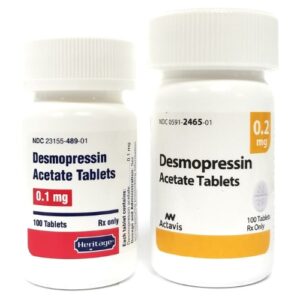
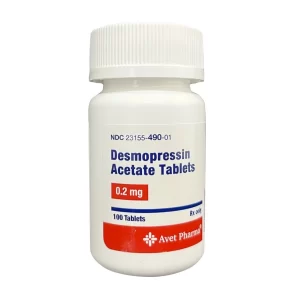
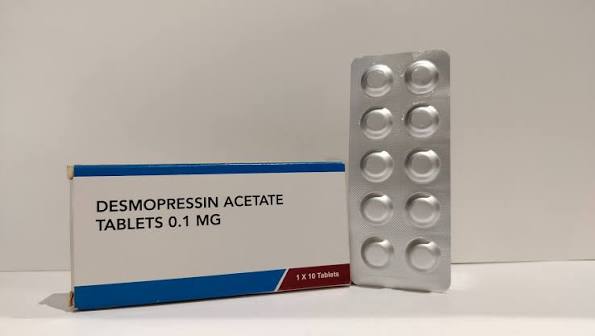
· Oral Tablets: Subject to extensive first-pass metabolism and enzymatic degradation in the gut, resulting in low and variable bioavailability (typically 0.08% to 0.16%). Doses are correspondingly higher (e.g., 0.1 to 0.8 mg) compared to intranasal or injectable routes .
· Oral Lyophilisate (Sublingual): Formulations such as NOCDURNA utilize a freeze-dried oral lyophilisate designed for sublingual absorption, bypassing first-pass metabolism and allowing for precise, low-dose (25 mcg or 50 mcg) gender-specific dosing for nocturia .
The elimination half-life of desmopressin is approximately 2 to 3 hours, though the antidiuretic effect persists significantly longer (6 to 12 hours depending on dose and formulation), enabling once-daily or twice-daily dosing regimens for many indications .
The health benefits of desmopressin are best understood through its approved and evidence-based clinical applications. Each indication represents a distinct value proposition for patients, clinicians, and payers.
Central Diabetes Insipidus (CDI): Restoring Fluid Homeostasis
Clinical Context: Central diabetes insipidus results from deficient secretion of endogenous vasopressin from the posterior pituitary, often due to trauma, surgery, tumors, or idiopathic causes. Patients present with polyuria (exceeding 3 liters per day, sometimes up to 15 liters), polydipsia, and nocturia. Without treatment, the condition severely impacts quality of life and can lead to electrolyte imbalances if access to water is restricted .
Health Benefit: Desmopressin provides physiologic replacement therapy for CDI, directly compensating for the hormonal deficiency. By activating renal V2 receptors, it reduces urine output to near-normal levels, alleviating the disabling polyuria and polydipsia that characterize the condition. In the inpatient setting, injectable desmopressin allows for precise titration in patients who are nil-per-os or recovering from pituitary surgery. For outpatients, intranasal and oral formulations enable self-management with a predictable duration of action .
Clinical Evidence: The diagnostic gold standard for CDI—the water deprivation test followed by desmopressin administration—relies on the drug’s ability to concentrate urine in patients with central (but not nephrogenic) diabetes insipidus. This dual diagnostic-therapeutic role underscores its fundamental importance in endocrinology .
Value Proposition: Desmopressin restores normal daily functioning, reduces the need for constant water access, and prevents the morbidity associated with chronic polyuria. For healthcare systems, effective CDI management reduces emergency department visits for dehydration and improves post-neurosurgical outcomes.
Nocturia Due to Idiopathic Nocturnal Polyuria: Improving Sleep Quality and Daytime Function
Clinical Context: Nocturia—waking at night to void—is a highly prevalent and burdensome condition, particularly in adults over 50. When caused by idiopathic nocturnal polyuria (excessive urine production at night), it fragments sleep architecture, leading to daytime fatigue, cognitive impairment, and reduced quality of life. It is also a recognized risk factor for falls and fractures in older adults .
Health Benefit: Low-dose desmopressin (oral lyophilisate, 25 mcg for women and 50 mcg for men) is specifically approved for symptomatic treatment of nocturia due to idiopathic nocturnal polyuria. By temporarily reducing nighttime urine production during the sleep period, desmopressin decreases the number of nocturia episodes, thereby improving uninterrupted sleep duration and daytime alertness. The gender-specific dosing reflects pharmacokinetic differences in V2 receptor sensitivity and body composition, optimizing the balance between efficacy and hyponatremia risk .
Safety Consideration: The health benefit of improved sleep must be weighed against the risk of hyponatremia, particularly in older adults. The approval of NOCDURNA included a comprehensive risk management plan emphasizing patient selection (excluding those with baseline hyponatremia), fluid restriction, and serum sodium monitoring within the first week and month of therapy . When used appropriately, the benefit-risk profile is favorable for a condition that profoundly affects quality of life.
Market Relevance: The aging population in G7 nations and increased awareness of nocturia as a distinct clinical entity (rather than an inevitable consequence of aging) drive demand for safe, low-dose desmopressin formulations .
Primary Nocturnal Enuresis (PNE) in Children: A Foundation for Pediatric Urologic Health
Clinical Context: Primary nocturnal enuresis (bedwetting) affects approximately 5% to 10% of children aged 7 years and persists into adolescence in a smaller subset. While often self-limiting, PNE can cause significant psychological distress, social isolation, and low self-esteem. It is hypothesized to involve a mismatch between nocturnal urine production and bladder capacity, often with a component of nocturnal polyuria .
Health Benefit: Desmopressin nasal spray and oral tablets are indicated for the management of PNE in children aged 4 years and older (nasal spray indication) or 6 years and older (tablet indication, depending on regional labeling). By reducing nighttime urine volume, desmopressin decreases the frequency of bedwetting episodes, providing immediate symptomatic relief and supporting the child’s participation in social activities such as sleepovers and camps. Combination therapy with anticholinergics has demonstrated superior efficacy compared to monotherapy in resistant cases, offering a stepwise approach to management .
Safety in Pediatrics: Pediatric use requires careful fluid intake restriction to prevent water intoxication and hyponatremia. Caregivers must be counseled on supervised administration and limited evening fluid intake. When these precautions are observed, desmopressin is a well-established and effective first-line pharmacologic option .
Value Proposition: For families, desmopressin offers a sense of control and normalcy. For clinicians, it provides a predictable, reversible, and non-invasive therapeutic option before considering more complex interventions.
Hemostatic Applications: Mild Hemophilia A and von Willebrand Disease (VWD)
Clinical Context: von Willebrand Disease is the most common inherited bleeding disorder, affecting up to 1% of the population. Type 1 VWD (partial quantitative deficiency) and some subtypes of Type 2 (qualitative defects) are amenable to desmopressin therapy. Mild hemophilia A (factor VIII deficiency) also responds to desmopressin in many patients. These conditions are characterized by mucocutaneous bleeding (epistaxis, menorrhagia, easy bruising) and bleeding after surgery or trauma .
Health Benefit: Desmopressin provides a non-plasma-derived, self-administered hemostatic option. By stimulating the release of endogenous vWF and factor VIII, it raises circulating levels of these clotting factors by two- to five-fold, sufficient to cover minor surgical procedures, dental extractions, and spontaneous bleeding episodes in responsive patients. This avoids the need for intravenous infusion of plasma-derived concentrates, reducing healthcare utilization, risk of transfusion-transmitted infections, and treatment burden .
Clinical Evidence: The hemostatic efficacy of desmopressin in mild hemophilia A and Type 1 VWD is well-established and incorporated into major hematology guidelines. It is considered first-line therapy for minor bleeding episodes in responsive patients. Response is typically assessed by a trial dose (e.g., 0.3 mcg/kg IV) with measurement of factor VIII and vWF levels before relying on the drug for therapeutic purposes .
Safety Caveat: Desmopressin is contraindicated in Type IIB von Willebrand Disease, where it can exacerbate platelet aggregation and cause thrombocytopenia and thrombosis . Careful subtype diagnosis is essential before initiating therapy.
Value Proposition: For patients with mild bleeding disorders, desmopressin offers a portable, room-temperature-stable, and cost-effective alternative to factor concentrates. For payers, it reduces the expense associated with recurrent concentrate infusions and hospital visits.
Emerging and Critical Care Applications: Expanding the Evidence Base
Beyond established indications, desmopressin has demonstrated potential in critical care settings, including uremic platelet dysfunction (common in renal failure), trauma-associated coagulopathy, and intracranial hemorrhage associated with antiplatelet therapy .
Uremic Platelet Dysfunction: Patients with chronic kidney disease often have impaired platelet function due to retained toxins. Desmopressin acutely improves platelet adhesion and aggregation, reducing bleeding time. It is frequently used prophylactically before invasive procedures in uremic patients .
Antiplatelet-Associated Intracranial Hemorrhage: A 2024 meta-analysis of 598 patients suggested that desmopressin was associated with a nonsignificant decrease in hematoma expansion and thrombotic events, though it was also associated with a significant increase in poor neurological outcomes, leading the authors to recommend case-by-case use pending more robust trials . This is an area of active investigation and should not be promoted as a primary indication without qualification.
Value Proposition for Critical Care: In resource-intensive settings, desmopressin offers a rapid, inexpensive, and familiar tool for managing complex coagulopathies. Its inclusion in hospital formularies supports standardized protocols for bleeding management.
A marketing production description must assure stakeholders of consistent quality, purity, and regulatory compliance. Desmopressin is a medium-sized peptide, and its synthesis requires sophisticated manufacturing controls.
Synthesis and Purification
Desmopressin is produced via solid-phase peptide synthesis (SPPS) followed by solution-phase reactions and disulfide bond formation. Modern manufacturing processes have been optimized to achieve high yields and purity, with single batches of high-purity desmopressin (≥98.5% purity by weight) scalable to substantial commercial quantities .
The formation of the disulfide bridge between cysteine residues is a critical quality attribute, as incorrect disulfide pairing can result in inactive or immunogenic impurities. Manufacturing processes are designed to ensure correct folding and rigorous purification via high-performance liquid chromatography (HPLC) .
Quality Control Specifications
Regulatory submissions and pharmacopeial monographs define strict acceptance criteria for desmopressin drug substance and drug product. Key quality attributes include:
· Assay and Peptide Content: Ensuring the labeled amount of desmopressin acetate is present.
· Related Substances and Impurities: Limiting individual and total impurities, particularly deamidated, oxidized, or truncated peptide variants.
· Specific Optical Rotation: Confirming the correct stereochemistry of the peptide.
· Amino Acid Analysis: Verifying the expected amino acid composition.
· Water Content and Acetic Acid Content: Controlling stoichiometry and stability.
· Microbial Limits and Bacterial Endotoxins: Ensuring sterility and safety for injectable formulations .
For finished dosage forms, additional testing includes uniformity of dosage units, pH, osmolality (for injectables and nasal sprays), and preservative content (for multi-dose nasal sprays) .
Supply Chain and Market Access Considerations
Desmopressin is manufactured by several established pharmaceutical companies and generic manufacturers globally, including Ferring Pharmaceuticals, Mallinckrodt, Dr. Reddy’s Laboratories, Sun Pharmaceutical, and others . The availability of generic formulations has increased affordability and access, particularly in emerging markets.
However, the complexity of peptide synthesis and the need for rigorous quality control mean that not all manufacturers are interchangeable. Procurement teams should prioritize suppliers with a demonstrated history of regulatory inspections (FDA, EMA) and a robust pharmacovigilance system capable of supporting hyponatremia risk minimization .
Market intelligence indicates that the desmopressin market is mature but evolving. Growth drivers include the aging population (nocturia), increased diagnosis of bleeding disorders, and the expansion of hospital formularies in emerging markets. Differentiation in the marketplace is less about molecular novelty and more about formulation reliability, dose precision, packaging clarity, patient education, and safety monitoring support .
No marketing description of desmopressin would be complete—or credible—without a frank discussion of its primary safety concern: hyponatremia.
Hyponatremia: Mechanism and Risk Factors
Desmopressin’s antidiuretic action, while therapeutically beneficial, can lead to dilutional hyponatremia if water intake exceeds renal excretory capacity. Severe hyponatremia is a medical emergency that can cause seizures, coma, respiratory arrest, and death . Risk factors include:
· Age ≥65 years: Reduced renal function and altered thirst mechanisms.
· Excessive fluid intake: Particularly in patients who ignore or are not counseled on fluid restriction.
· Concomitant medications: Loop diuretics, systemic or inhaled glucocorticoids, tricyclic antidepressants, SSRIs, and NSAIDs can potentiate hyponatremia .
· Renal impairment: Creatinine clearance <50 mL/min is a contraindication for most formulations .
· Illnesses causing fluid/electrolyte imbalance: Gastroenteritis, fever, sepsis.
· Polydipsia or psychogenic water drinking: Absolute contraindication .
Mitigation Strategies: The Foundation of Responsible Marketing
Desmopressin’s benefit-risk profile is favorable when used according to label and with appropriate monitoring. Marketing and medical affairs teams must emphasize:
· Baseline Serum Sodium: Measure before initiating therapy and within 7 days, then approximately 1 month after starting, and periodically thereafter .
· Fluid Restriction Counseling: Patients must be explicitly instructed to limit fluid intake, particularly in the evening for nocturia and enuresis indications. For pediatric patients, caregiver supervision is mandatory .
· Patient Selection: Screen for contraindications (hyponatremia history, polydipsia, SIADH, heart failure, uncontrolled hypertension) before prescribing .
· Discontinuation Protocol: If hyponatremia occurs, desmopressin should be interrupted or permanently discontinued, and sodium levels corrected according to clinical guidelines .
Other Safety Considerations
· Hypersensitivity Reactions: Severe allergic reactions, including anaphylaxis, have been reported. Patients should be monitored during initial administration of injectable formulations .
· Thrombosis in Type IIB VWD: Contraindicated due to risk of platelet aggregation and thrombosis .
· Blood Pressure Changes: Hypotension with compensatory tachycardia or hypertension may occur, particularly with injectable administration. Monitor blood pressure in patients with cardiac disease .
· Fluid Retention: Can worsen conditions susceptible to volume overload, such as heart failure. Not recommended in patients at risk for increased intracranial pressure or with a history of urinary retention .
The marketing narrative must position desmopressin as a well-understood, manageable therapy rather than a risk-free one. Transparency builds trust with prescribers and payers.
Desmopressin vs. Alternative Therapies
In Nocturia: Alternatives include antimuscarinics (e.g., oxybutynin, tolterodine) and beta-3 agonists (e.g., mirabegron). While these target detrusor overactivity, desmopressin specifically addresses nocturnal polyuria, a distinct pathophysiologic mechanism. For patients with documented nocturnal polyuria, desmopressin offers a targeted, once-daily oral lyophilisate with a rapid onset and offset, minimizing daytime antidiuretic effects .
In Hemophilia/VWD: Alternatives include plasma-derived and recombinant factor concentrates. Desmopressin is significantly less expensive, does not carry infectious risk, and can be administered at home. Its limitation is that it is only effective in patients with responsive disease (mild hemophilia A, Type 1 VWD) and is contraindicated in Type IIB .
In CDI: Desmopressin is the standard of care. Alternatives are limited; vasopressin injection is used in acute settings but has a shorter half-life and more V1-mediated vasoconstrictive effects. Desmopressin’s selectivity and longer duration make it preferable for chronic management .
Formulation-Specific Differentiation
· Injectables: Essential for inpatient and emergency use; require cold chain and aseptic technique.
· Nasal Spray: Convenient, rapid absorption, but requires intact nasal mucosa and proper priming technique. Less suitable for patients with chronic rhinitis or post-nasal surgery .
· Tablets: Convenient and stable, but low and variable bioavailability necessitates higher doses and individualized titration.
· Oral Lyophilisate (Sublingual): Optimized for nocturia with precise low-dose delivery, gender-specific dosing, and a rapid onset/offset profile that limits antidiuretic activity to the sleep period .
Marketing strategies should emphasize the right formulation for the right patient and indication, supported by clear dosing and administration instructions.
Cost-Effectiveness in Bleeding Disorders
For patients with mild hemophilia A or Type 1 VWD undergoing minor procedures, desmopressin is substantially less costly than factor concentrates. A single dose of desmopressin (injectable or high-dose nasal spray) can obviate the need for a multi-day course of factor replacement, reducing drug acquisition costs and avoiding the logistical complexities of concentrate procurement and infusion .
Impact on Quality of Life and Productivity
Nocturia and PNE are associated with significant indirect costs: lost productivity due to sleep disruption, increased caregiver burden, and (in older adults) fall-related morbidity. Effective treatment with desmopressin can improve sleep quality, daytime functioning, and overall well-being, translating into economic value beyond the drug acquisition cost .
Reduced Healthcare Utilization
For CDI patients, reliable desmopressin therapy reduces emergency visits for dehydration and polyuria-related complications. For surgical patients with bleeding disorders, desmopressin-supported procedures can be performed in outpatient or day-surgery settings, avoiding inpatient admissions .
Desmopressin is not a novel molecule, but its clinical relevance remains undiminished. Its value proposition rests on four pillars:
1. Mechanistic Precision: Selective V2 receptor agonism provides targeted antidiuresis and hemostasis with minimal off-target vasoconstriction.
2. Formulation Flexibility: A range of delivery systems—injectable, intranasal, oral tablet, and sublingual lyophilisate—enables tailored therapy across acute and chronic settings, and across pediatric, adult, and geriatric populations.
3. Established Safety Profile with Manageable Risks: Hyponatremia is a known, predictable, and monitorable risk. When appropriate patient selection and fluid restriction counseling are implemented, the benefit-risk profile is highly favorable.
4. Health Economic Value: Desmopressin reduces reliance on costly factor concentrates, minimizes hospital utilization, and improves quality of life for patients with chronic conditions.
| Choose | 4mcg/ml Vial, 5ml Nasal Spray, 0.1mg Tablets |
|---|---|
| Quantity | 1, 2, 5, 10, 30 Tablets, 60 Tablets, 90 Tablets |
Only logged in customers who have purchased this product may leave a review.

Reviews
There are no reviews yet.