
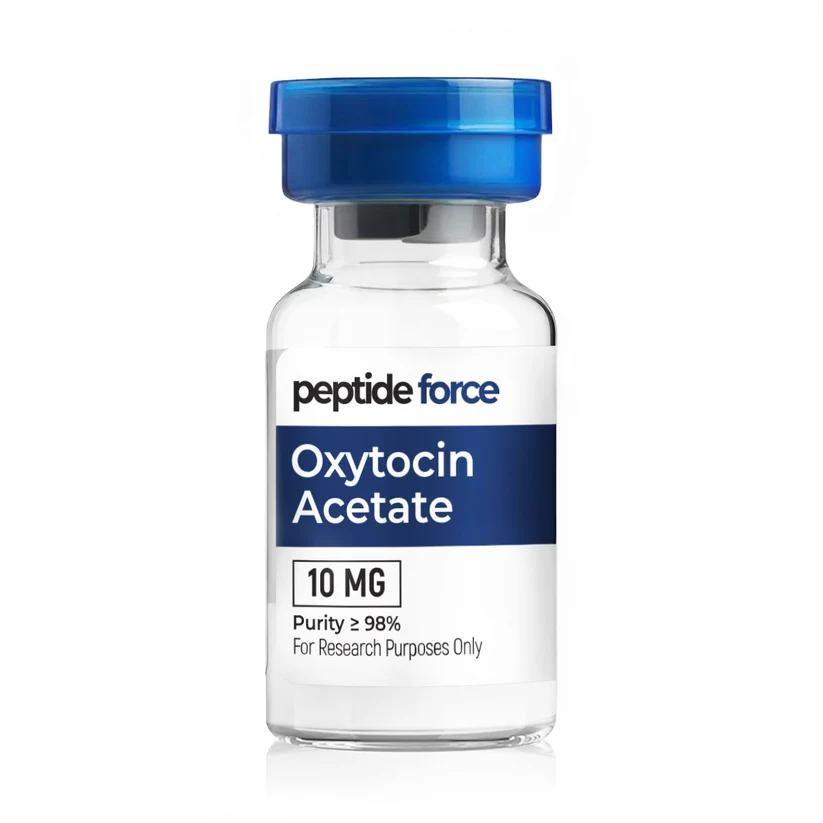
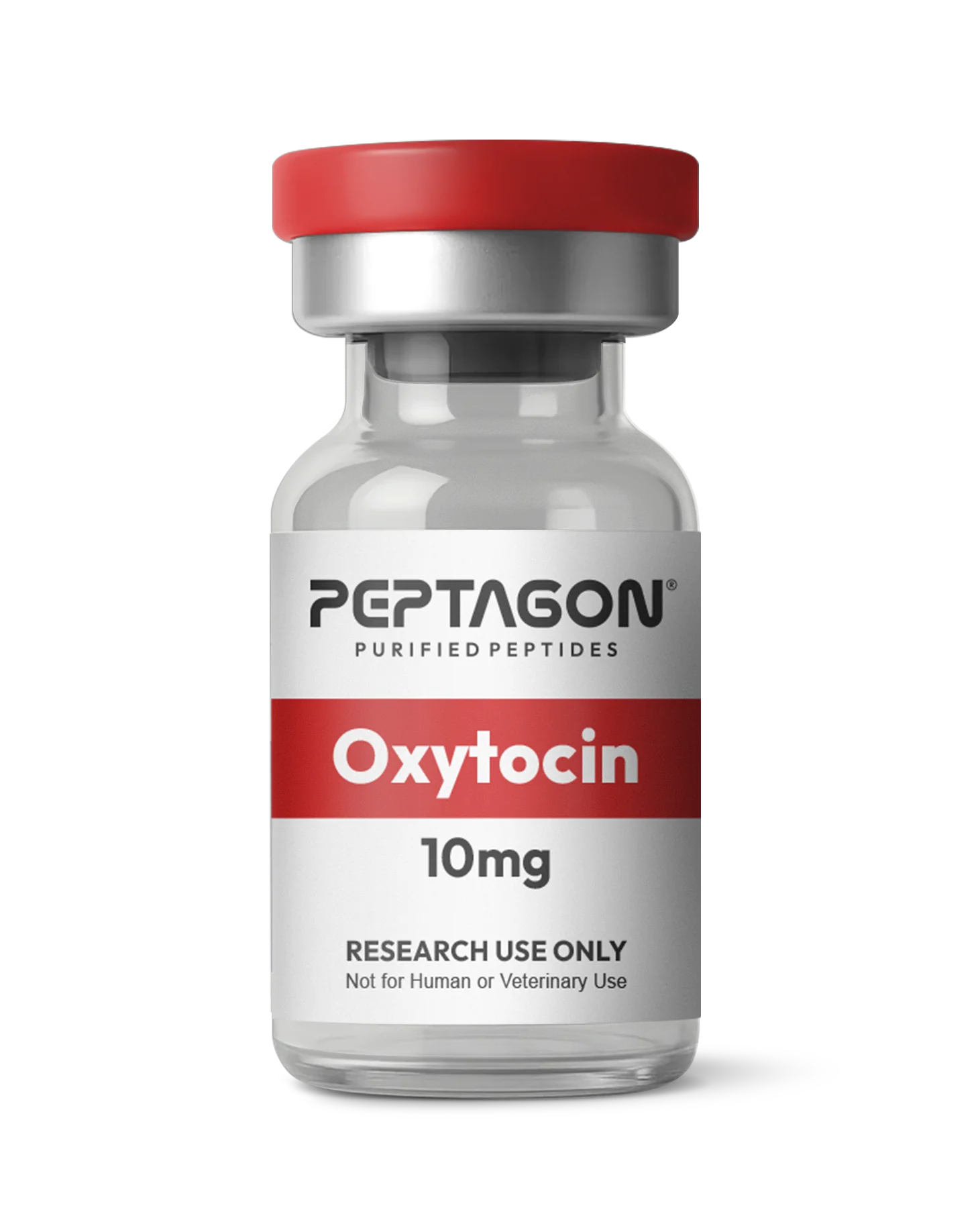
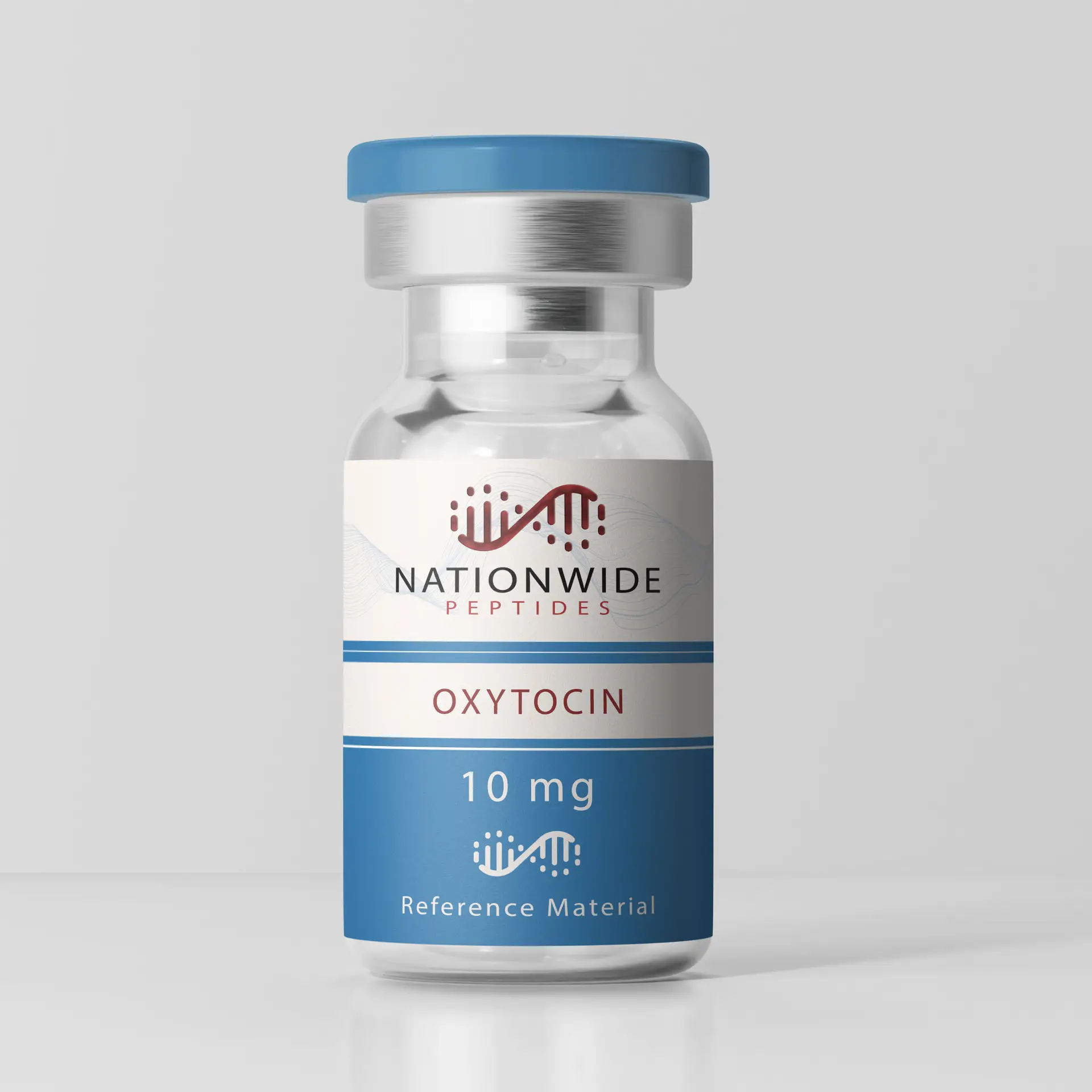
Oxytocin Peptide functions as a pleiotropic stress-coping molecule, an immunomodulator, and a metabolic regulator with implications for healthy aging, social cognition, and inflammatory homeostasis . This production description delineates the biochemical identity, sourcing, manufacturing considerations, and the scientifically substantiated health benefits of oxytocin peptide.
Oxytocin Peptide is a naturally occurring cyclic peptide hormone composed of nine amino acids. Scientists consider the peptide hormone to be secreted by the pituitary gland and to act as a neurotransmitter within the brain. The synthetic form of the peptide, Recombinant Oxytocin, is a cyclic nonapeptide developed to be analogous to the naturally occurring peptide.
The first isolation of the peptide was carried out in 1920, followed by its structure discovery in the 1950s. Several research studies were conducted to fully explore the peptide’s action and characteristics. Scientists consider it to be created by the hypothalamus, and Oxytocin Peptide is then secreted and stored in the posterior pituitary gland, potentially released in the event of a specific stimulation.
Unlike other hormones, naturally occurring Oxytocin Peptide has been posited to work via a positive feedback mechanism. This means that the initial secretion of the hormone peptide may lead to further release of the peptide in higher concentrations and with higher intensity. Both synthetic and natural forms appear to work through the same potential mechanisms.
Considered to be especially pivotal in the process of gestation and labor, Oxytocin, once secreted into the system, may bind with the G-protein coupled receptors to potentially increase intracellular calcium levels. This calcium secretion may have various downstream impacts, such as inducing uterine contractions. Once the uterine contractions begin, they may stimulate further release of Oxytocin Peptide, leading to higher frequency and intensity of the contractions via a positive feedback mechanism.
The peptide appears to contribute to the contractions of myoepithelial cells found in the alveolar ducts of mammary glands. These contractions may stimulate milk ejection from alveolar ducts into the larger sinuses, thereby expelling milk. The positive feedback mechanism may also work here, with initial milk expulsion potentially stimulating increased Oxytocin Peptide circulation and continuous milk release.
Oxytocin Peptide, a nine-amino-acid peptide hormone, has transcended its conventional identity as merely a reproductive hormone to emerge as a compelling candidate in the wellness, longevity, and neuropsychiatric research spaces. While its role in labor induction and lactation is well-established in obstetric medicine, contemporary scientific inquiry has unveiled a far more nuanced physiological profile.
Oxytocin Peptide functions as a pleiotropic stress-coping molecule, an immunomodulator, and a metabolic regulator with implications for healthy aging, social cognition, and inflammatory homeostasis . This production description delineates the biochemical identity, sourcing, manufacturing considerations, and the scientifically substantiated health benefits of oxytocin peptide. It is essential to distinguish between prescription-grade oxytocin for clinical indications and the emerging—yet often unregulated—landscape of intranasal and sublingual formulations being explored for neurological and metabolic applications.
As the scientific community continues to disentangle the complex, context-dependent effects of this ancient molecule, Oxytocin Peptide stands at the intersection of neuroendocrinology and preventive medicine, offering a promising, albeit nuanced, avenue for modulating the stress-inflammation axis and supporting metabolic health .
Molecular Definition
Oxytocin Peptide is a cyclic nonapeptide (nine amino acids) with the sequence Cys-Tyr-Ile-Gln-Asn-Cys-Pro-Leu-Gly-NH2, featuring a disulfide bridge between the two cysteine residues . Its molecular formula is C43H66N12O12S2, with a molecular weight of approximately 1007.19 Da . Produced primarily in the paraventricular and supraoptic nuclei of the hypothalamus, oxytocin is transported to the posterior pituitary for release into systemic circulation, while also acting as a neuromodulator via projections to various brain regions .
Distinguishing Features
What distinguishes Oxytocin Peptide from many other therapeutic peptides is its context-dependent functionality. The molecule’s effects are not uniform; they are sexually dimorphic, altered by early-life experience, and heavily influenced by the social and physiological environment . This characteristic presents both a challenge for standardization in manufacturing and an opportunity for personalized therapeutic applications. The peptide’s capacity to interact with vasopressin receptors further complicates its pharmacological profile, as cross-reactivity can produce effects distinct from canonical oxytocin receptor activation .
Synthetic Production
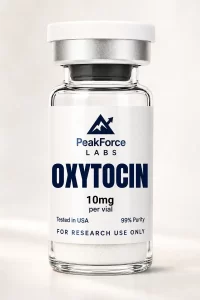
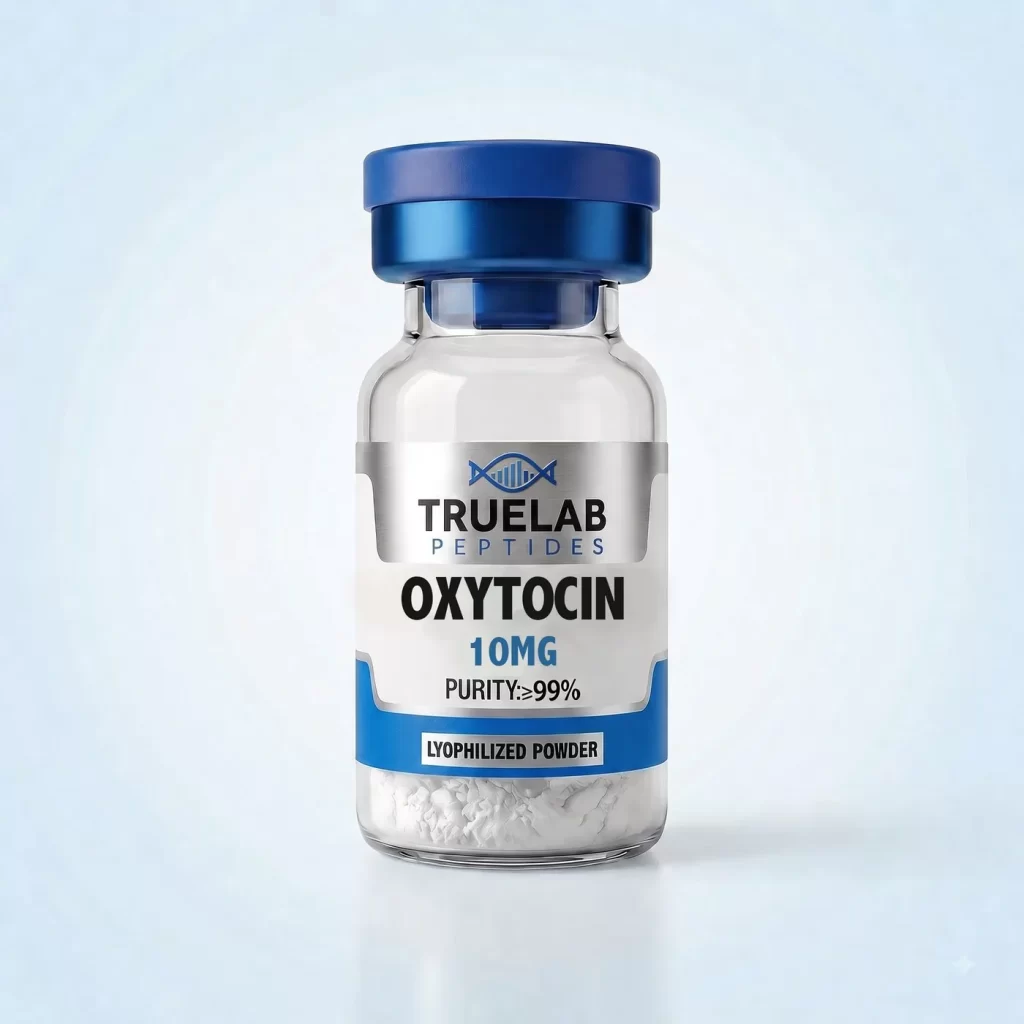
For pharmaceutical and research applications, Oxytocin Peptide is produced via solid-phase peptide synthesis. The process involves sequential coupling of protected amino acids, followed by cleavage from the resin, purification via high-performance liquid chromatography, and formation of the critical disulfide bond. The resulting product is typically supplied as a lyophilized powder or in aqueous solution for injection or intranasal delivery .
Quality Control and Purity
Given that Oxytocin Peptide is a peptide with active disulfide bonds, it is notoriously difficult to work with and measure . Manufacturing must account for potential degradation, aggregation, and the presence of truncated or oxidized impurities. High-purity synthesis (typically >95% for research-grade material) is essential for reproducible biological activity .
For any product intended for human use, adherence to Good Manufacturing Practices (GMP) is non-negotiable. The regulatory landscape for non-injectable oxytocin (e.g., intranasal sprays) varies significantly; compounded nasal sprays are not well-regulated and do not undergo the rigorous testing required for FDA-approved medications .
Formulation Challenges
The delivery method profoundly influences oxytocin’s bioavailability and safety profile. Intravenous administration (as used in obstetric settings) provides rapid, systemic exposure but is unsuitable for chronic outpatient use. Intranasal delivery aims to bypass the blood-brain barrier via the olfactory and trigeminal nerve pathways, concentrating the peptide in the central nervous system while minimizing systemic exposure .
However, absorption via the nasal route is inconsistent and variable between individuals . Sublingual formulations have been explored, but peptides of this size cross the oral mucosa poorly, making reliable dosing difficult . Emerging proprietary formulations, such as those incorporating magnesium to enhance receptor binding, represent attempts to improve the pharmacodynamic profile of intranasal oxytocin .
The health benefits of Oxytocin Peptide extend far beyond its classical roles. The following sections synthesize the current evidence, prioritizing findings from human studies and mechanistic research where available.
The Stress-Coping Molecule
Oxytocin Peptide has been characterized as a stress-coping molecule with protective effects, particularly in the face of adversity or trauma . It influences the autonomic nervous system and the hypothalamic-pituitary-adrenal (HPA) axis, dampening stress responses. This is not merely a subjective “feel-good” effect; it represents a fundamental physiological buffering system. In the context of aging, where chronic stress and inflammation are intertwined in a process termed “inflammaging,” oxytocin may serve a neuroprotective function . The hormone appears capable of disrupting the link between chronic stress and inflammation at multiple points of regulation, coordinating actions across neuroendocrine, immune, and behavioral pathways .
Anti-Inflammatory and Antioxidant Actions
At the cellular level, Oxytocin Peptide functions as an anti-inflammatory and antioxidant agent. Research indicates that Oxytocin Peptide can increase glutathione, a potent antioxidant, and enhance cellular ATP production, thereby protecting mitochondrial function and facilitating recovery from cellular stress . This mechanism is thought to be evolutionarily ancient, predating oxytocin’s role in social behavior, and provides a biological rationale for why social connection is associated with health and longevity . The peptide’s ability to modulate immune signaling suggests potential utility in conditions characterized by chronic low-grade inflammation, though clinical trials in this area are still in early stages .
Appetite Regulation and Weight Management
The exploration of Oxytocin Peptide as a metabolic agent has gained momentum. Preclinical and early clinical evidence suggests that oxytocin administration can reduce food intake, particularly in individuals with obesity . Neuroimaging studies have demonstrated that oxytocin modulates brain activity in reward-related regions, reducing functional connectivity in circuits that drive compulsive eating while enhancing prefrontal cognitive control . In one randomized controlled trial involving older adults with sarcopenic obesity, intranasal oxytocin administration was associated with gains in lean muscle mass and significant reductions in LDL cholesterol .
Caveats and Inconsistencies
Despite these promising findings, the evidence is not uniformly positive. A critical review of the literature notes that Oxytocin Peptide demonstrates inconsistent appetite-suppressing effects across populations, with initial benefits often diminishing over time . Long-term clinical trials have not consistently shown significant weight loss differences compared to placebo. The context-dependent nature of oxytocin’s effects—varying by individual, dose, and situation—limits its reliability as a standalone obesity treatment . Any marketing or production description must therefore be careful not to overstate the robustness of these metabolic benefits. The most defensible claims pertain to its role as an adjunct in addressing metabolic dysfunction, particularly in populations where oxytocin deficiency or dysregulation may be a contributing factor.
Autism Spectrum Disorder (ASD)
The Oxytocin Peptide system has been a focal point in autism research due to its role in social functioning. Meta-analyses of randomized controlled trials indicate that intranasal oxytocin may have beneficial effects on social functioning in individuals with ASD, with some studies showing improvements in repetitive behaviors and social cognition . However, results are mixed. The largest randomized controlled trial to date (290 children, 24 weeks) found no significant effects on social or cognitive functioning . Discrepancies may stem from variability in dosing, treatment duration, and the genetic heterogeneity of ASD. Furthermore, the use of compounded, unregulated nasal sprays in some studies introduces uncertainty regarding the active ingredient’s quality and consistency .
Pain and Migraine
A distinct and mechanistically compelling application of oxytocin is in the management of chronic pain, particularly migraine. Low Oxytocin Peptide levels have been associated with increased migraine frequency, while increased levels correlate with fewer headaches . The proposed mechanism involves the inhibition of calcitonin gene-related peptide (CGRP) release from trigeminal neurons. When delivered intranasally, oxytocin concentrates in the trigeminal system, binding to receptors on sensory neurons and inhibiting pain signal transmission . This mechanism is distinct from CGRP antagonists and monoclonal antibodies, and targeted nasal delivery may offer a safety advantage by avoiding systemic CGRP inhibition, which has roles in cardiovascular homeostasis .
Social Anxiety and Relationship Dynamics
Oxytocin’s effects on social behavior are not uniformly positive. While it can reduce social anxiety in some contexts, it may also amplify sensitivity to negative social cues. For individuals with borderline personality disorder, for example, oxytocin has been shown to decrease feelings of trust and teamwork . In distressed relationships, Oxytocin Peptide levels can be elevated, potentially reflecting a compensatory mechanism rather than a marker of relationship health . These findings underscore the complexity of oxytocin’s behavioral effects and caution against simplistic “love hormone” marketing narratives. The therapeutic potential exists, but it is context-dependent and requires careful clinical oversight.
Longevity and Healthy Aging
The “Social Dependency Hypothesis” posits that Oxytocin Peptide contributes to longer lifespans through two interconnected pathways: extrinsically, by promoting social bonds and caregiving behaviors that reduce environmental threats, and intrinsically, through its anti-inflammatory and anti-oxidative actions at the cellular level . Cumulative lifetime exposure to oxytocin, whether through caregiving, social connection, or therapeutic administration, may therefore confer a longevity advantage.
In the context of age-related diseases such as Alzheimer’s disease and related dementias (ADRD), intranasal Oxytocin Peptide is being investigated as a potential preventive strategy, though evidence in typical aging populations remains limited and mixed . The production description should position oxytocin not as a “fountain of youth” but as a biologically plausible contributor to healthspan, with the caveat that longitudinal human data are still emerging.
Clinical Safety Profile
At clinical doses under medical supervision, oxytocin is generally well tolerated. Intranasal oxytocin has been shown to be well tolerated in several clinical trials in both adults and children, with targeted nasal delivery resulting in low systemic exposure and a lower risk of non-CNS off-target effects . Reported side effects can include headache, nausea, and changes in blood pressure .
Excessive doses, particularly of synthetic forms like Pitocin administered intravenously, can cause uterine bleeding, seizures, arrhythmia, and hyponatremia . These risks are primarily associated with obstetric use and high-dose systemic administration, not with the lower doses typically explored for neuropsychiatric or metabolic indications.
Critical Gaps in Preclinical Data
A significant limitation in the safety literature is the absence of comprehensive long-term preclinical studies. Systematic evaluations of oxytocin’s carcinogenic potential, genotoxicity (including Ames testing and chromosomal aberration assays), and effects on fertility and reproduction have not been conducted .
While decades of clinical experience in obstetric practice provide reassurance regarding short-term safety, the chronic administration of oxytocin for non-obstetric indications (e.g., metabolic health, social anxiety, migraine prophylaxis) occurs without the benefit of rigorous long-term toxicology data. This is a critical consideration for any production or marketing description: the product is not risk-free, and its use for chronic, non-life-threatening conditions requires a careful risk-benefit assessment.
Regulatory Classification
The regulatory status of oxytocin varies by jurisdiction and formulation. In the United States, Oxytocin Peptide is a prescription drug approved for obstetric indications. Intranasal formulations for research or off-label clinical use may be compounded, but these compounded products are not FDA-approved and lack the regulatory oversight of manufactured pharmaceuticals .
Over-the-counter “oxytocin” sprays and sublingual products are widely available online but are of dubious quality; many contain no meaningful amount of the active peptide, and their sale exploits consumer interest in the “love hormone” without providing a legitimate therapeutic agent . A credible production description must transparently address this landscape, positioning the product within the legitimate pharmaceutical or research-grade supply chain and warning against unverified sources.
Clinical Research and Drug Development
The most defensible positioning for oxytocin peptide is within the research and drug development ecosystem. Pharmaceutical companies are actively developing proprietary intranasal oxytocin formulations for chronic migraine, binge eating disorder, Prader-Willi syndrome, and social anxiety disorder . Academic researchers continue to explore its role in autism, aging, and inflammatory conditions. For this audience, the production description should emphasize purity, consistency, and documentation (certificates of analysis, mass spectrometry, HPLC traces) as markers of quality.
Compounded Prescription Formulations
For healthcare providers utilizing compounded intranasal oxytocin for select patients (e.g., migraine prophylaxis, adjunctive autism therapy), the production description should highlight the importance of sourcing from a reputable compounding pharmacy that adheres to strict quality standards. The inconsistency of compounded products is a known issue in the literature , and prescribers should be aware of the variability in potency and stability.
Consumer Wellness (With Significant Caveats)
The consumer wellness market for oxytocin is fraught with misinformation. Products marketed as “Oxytocin Peptide supplements” for bonding, stress relief, or weight loss are largely ineffective and potentially misleading . A responsible production description should not cater to this market without explicit disclaimers. The scientifically valid consumer-facing message is that oxytocin is a prescription hormone with specific, evidence-based indications; natural Oxytocin Peptide release can be supported through lifestyle practices (physical touch, positive social interaction, pet ownership), and any exogenous use should be medically supervised .
Oxytocin Peptide represents a fascinating case study in the translation of neuroendocrine research into potential therapeutic applications. Its health benefits are real but nuanced: it is a legitimate regulator of stress and inflammation with promising implications for metabolic health, pain management, and healthy aging . However, the evidence is not uniform, the molecule’s effects are highly context-dependent, and significant gaps remain in our understanding of its long-term safety profile and optimal dosing for non-obstetric indications .
A production description that acknowledges these complexities—rather than reducing oxytocin to a simplistic “love hormone” or panacea—will be more credible to researchers, clinicians, and informed consumers. The future of oxytocin as a therapeutic lies not in broad, unregulated consumer products, but in targeted, well-characterized formulations developed through rigorous clinical science. As the field advances, the production and marketing of oxytocin peptide should be guided by the same principles that govern its biology: precision, context, and a clear-eyed appreciation of both its promise and its limitations.
| Choose | 10mg Nasal Spray, 10mg Vial |
|---|---|
| Quantity | 1, 2, 5, 10 |
Only logged in customers who have purchased this product may leave a review.

Reviews
There are no reviews yet.