
PNC 28 Peptide induces cancer cell death through a p53-independent membranolysis mechanism, resulting in rapid necrosis rather than apoptosis. This mechanism is fundamentally different from traditional p53-targeted therapies and offers the critical advantage of activity against p53-mutant tumors.
PNC-28 is a synthetic bioactive peptide derived from the mdm-2-binding domain (residues 17–26) of the p53 tumor suppressor protein, featuring a penetratin sequence that enables efficient cell membrane penetration. This innovative compound represents a significant advancement in anticancer peptide research, specifically designed for investigating pancreatic cancer and other malignancies.
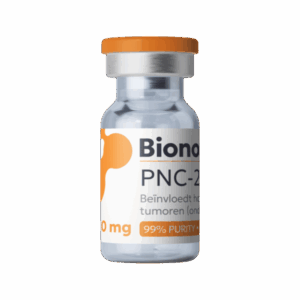
The peptide belongs to the p53-derived penetrating peptide family and is structurally engineered by fusing the p53 MDM-2 binding domain with a membrane-crossing penetratin sequence on its carboxyl terminal end. This unique dual-domain architecture confers both cellular penetration capabilities and tumor cell-selective cytotoxicity, making PNC-28 a valuable research tool in oncology and cancer biology.
Key Product Information at a Glance:
Parameter Details
Product Name PNC-28 (acetate salt form)
CAS Number 392661-17-5
Molecular Formula (Free Acid) C₁₆₄H₂₅₅N₄₇O₃₇S
Molecular Formula (Acetate Salt) C₁₆₄H₂₅₅N₄₇O₃₇S·C₂H₄O₂
Molecular Weight (Free Acid) 3509.13 Da
Molecular Weight (Acetate Salt) 3569.18 Da
Purity ≥95% (up to 98.8%)
Appearance White to off-white powder
Solubility Soluble in water and aqueous buffers
Storage Powder: -20°C for 3 years; In solvent: -80°C for 1 year
Transport Shipped with blue ice
The peptide induces cancer cell death through a p53-independent membranolysis mechanism, resulting in rapid necrosis rather than apoptosis. This mechanism is fundamentally different from traditional p53-targeted therapies and offers the critical advantage of activity against p53-mutant tumors.
In vitro studies demonstrate potent activity against human pancreatic cancer cell lines at concentrations of 0.1–0.5 mg/mL. In vivo studies in nude mouse xenograft models confirm significant antitumor activity, with complete tumor destruction observed in some administration regimens. The peptide exhibits remarkable selectivity for cancer cells over normal cells.
PNC-28 is available as a high-purity (>95%) peptide for research purposes, with well-characterized physicochemical properties and established storage and handling protocols. Its applications span pancreatic cancer research, mechanistic studies of cell death pathways, and cell-penetrating peptide research.
As research into p53 biology and tumor cell death mechanisms continues to advance, PNC-28 and its derivatives hold promise for expanding our understanding of cancer biology and potentially contributing to the development of novel therapeutic strategies for pancreatic and other malignancies.
2.1 Complete Sequence
The full amino acid sequence of PNC-28 is:
Glu-Thr-Phe-Ser-Asp-Leu-Trp-Lys-Leu-Leu-Lys-Lys-Trp-Lys-Met-Arg-Arg-Asn-Gln-Phe-Trp-Val-Lys-Val-Gln-Arg-Gly
Single-letter code:
ETFSDLWKLLKKWKMRRNQFWVKVQRG
2.2 Structural Composition
PNC-28 consists of two distinct functional modules:
Module 1: p53 MDM-2 Binding Domain (Residues 17–26)
This domain corresponds to the N-terminal transactivation domain of human p53 protein, specifically residues 17 through 26 (ETFSDLWKLL). In the native p53 protein, this region is responsible for binding to MDM-2 (murine double minute 2) / HDM-2 (human double minute 2), forming the core interface of the p53-MDM-2 negative feedback regulatory loop. MDM-2 functions as an E3 ubiquitin ligase that promotes p53 ubiquitination and degradation, maintaining cellular p53 homeostasis.
Module 2: Penetratin Sequence (Cell-Penetrating Peptide)
The C-terminal end of PNC-28 incorporates a penetratin sequence derived from the Drosophila Antennapedia homeodomain protein. This 16-amino acid cell-penetrating peptide is rich in basic residues (lysine and arginine), which imparts membrane-crossing capabilities. The penetratin sequence enables PNC-28 to efficiently traverse cellular membranes and access intracellular targets.
2.3 Molecular Characteristics
PNC-28 is a 27-amino acid peptide with a molecular formula of C₁₆₄H₂₅₅N₄₇O₃₇S (free acid form). The peptide contains multiple hydrophobic and aromatic residues (phenylalanine, tryptophan) alongside numerous basic residues (lysine, arginine), contributing to its amphipathic properties essential for membrane interaction and penetration.
3.1 Cellular Targeting and Penetration
PNC-28 exhibits a dual mechanism of action. The p53-derived MDM-2 binding domain enables recognition and binding to specific motifs expressed on cancer cell surfaces. Meanwhile, the penetratin sequence facilitates efficient cellular uptake, allowing the peptide to accumulate preferentially in tumor cells.
Research has demonstrated that PNC-28 binds to HDM-2 in the membranes of cancer cells, forming 1:1 complexes in a temperature-independent step. This is followed by dimerization of these complexes to form transmembrane channels in a highly temperature-dependent manner, a mechanism parallel to other membranolytic agents.
3.2 Cell Death Pathway: Necrosis via Membranolysis
PNC-28 induces cancer cell death through a fundamentally different mechanism than traditional p53-dependent apoptosis. Key findings include:
· No elevation of proapoptotic proteins: Treatment with PNC-28 does not result in the elevation of proapoptotic proteins typically observed in p53-induced apoptosis, such as Bax or PUMA.
· Rapid LDH release: PNC-28 elicits rapid release of lactate dehydrogenase (LDH), a hallmark of membrane integrity loss and necrotic cell death.
· Membrane pore formation: Time-lapse electron microscopy has confirmed the formation of membrane pores, initiating rapid necrosis.
· Dose-dependent killing: The peptide demonstrates concentration-dependent cytotoxic activity.
3.3 p53-Independent Activity
A critical advantage of PNC-28 is that its anticancer activity does not depend on the functional status of p53 within target cells. The peptide effectively induces necrosis in tumor cell lines with homozygous deletion of p53 and ras-transformed pancreatic carcinoma cells. This p53-independence makes PNC-28 particularly valuable for studying cancers with p53 mutations, which account for a significant proportion of pancreatic tumors.
3.4 The Role of Penetratin in Mechanism Switching
The penetratin sequence appears to be responsible for the fundamental change in the mechanism of action. When the p53 peptide (aa17-26) without penetratin was transfected into cells via plasmid, it induced apoptosis rather than necrosis, as evidenced by elevated caspase-3/7 and annexin V expression. This demonstrates that the penetratin sequence is essential for shifting the cell death pathway from apoptosis to rapid necrosis initiated by membrane pore formation.
3.5 Comparison with PNC-27
PNC-28 shares structural and functional similarities with PNC-27, another member of the p53-derived penetrating peptide family. Both peptides contain the p53 HDM-2 binding domain attached to a penetratin sequence and induce tumor cell necrosis via membranolysis in a p53-independent manner. The primary distinction lies in minor sequence variations within the penetratin domain, which may affect cell penetration efficiency and potency.
4.1 In Vitro Studies
Pancreatic Cancer Cell Inhibition
PNC-28 demonstrates potent antiproliferative activity against human pancreatic cancer cell lines in vitro. At concentrations ranging from 0 to 0.5 mg/mL, PNC-28 effectively inhibits the growth of lethal human pancreatic cancer cell lines.
In studies using MiaPaCa-2 human pancreatic cancer cells:
· Concentration range tested: 0.1, 0.3, and 0.5 mg/mL
· Administration: Daily treatment
· Results: Concentration-dependent tumor cell death induction observed from 0.1 mg/mL
Effectiveness Against p53-Mutant Tumor Cells
PNC-28’s p53-independent mechanism makes it effective against a wide range of tumor cell lines, including those with homozygous deletion of p53. This is particularly significant for pancreatic cancer research, as many pancreatic cancer cell lines harbor p53 mutations that render traditional p53-targeted therapies ineffective.
Selectivity for Cancer Cells
PNC-28 exhibits remarkable selectivity for cancer cells over normal, untransformed cells. The peptide has no effect on:
· Rat pancreatic acinar cells
· Human breast epithelial cells
· Differentiation of human stem cells
This selectivity likely stems from differential expression of cell surface motifs on cancer cells that PNC-28 recognizes and binds to, enabling preferential accumulation and killing of tumor cells.
4.2 In Vivo Studies
BMRPA1.Tuc3 Tumor Model
In athymic Nu/Nu nude mice (7–8 weeks old, 22–24 g) bearing pancreatic cancer xenografts, PNC-28 demonstrated significant in vivo antitumor activity.
Administration Regimen Results
2 mg/mouse, SC or IP, 14 days Complete destruction of simultaneously transplanted tumors
1–20 mg/mouse, SC, 14 days Dose-dependent inhibition of BMRPA1.Tuc3 tumor growth
Concurrent administration with tumor explantation Complete blockade of tumor growth during administration and 2 weeks post-treatment
Administration after tumor establishment Decrease in tumor size followed by significantly slower regrowth compared to controls
Key In Vivo Observations:
1. Complete tumor destruction: When administered in the peritoneal cavities of nude mice containing simultaneously transplanted tumors, PNC-28 caused complete destruction of tumors.
2. Sustained suppression: Concurrent administration with tumor explantation resulted in complete blockade of tumor growth during the 2-week administration period and for 2 weeks post-treatment.
3. Therapeutic effect: When administered after tumor establishment, PNC-28 caused tumor size reduction followed by significantly slower growth compared to control peptide treatment.
4. Ascites prevention: Notably, no ascites formation was observed in PNC-28-treated animals.
Therapeutic Implications
These findings suggest that PNC-28 may be effective in treating cancers, especially when delivered directly to the tumor. The enhanced efficacy with local delivery supports the development of localized administration strategies such as intratumoral injection, sustained-release implants, and targeted delivery systems.
5.1 Basic Physicochemical Parameters
Parameter Value
Molecular Formula (Free Acid) C₁₆₄H₂₅₅N₄₇O₃₇S
Molecular Formula (Acetate) C₁₆₄H₂₅₅N₄₇O₃₇S·C₂H₄O₂
Molecular Weight (Free Acid) 3509.13 Da
Molecular Weight (Acetate) 3569.18 Da
CAS Number 392661-17-5
Appearance White to off-white powder
Purity ≥95% (up to 98.8%)
Solubility Soluble in water
5.2 Solubility and Solution Preparation
PNC-28 is soluble in water and aqueous buffers, facilitating its use in cell culture and in vivo applications.
Solution Preparation Guidelines:
Target Concentration 1 mg 5 mg 10 mg
1 mM 0.285 mL 1.425 mL 2.850 mL
5 mM 0.057 mL 0.285 mL 0.570 mL
10 mM 0.0285 mL 0.1425 mL 0.285 mL
Important Considerations:
· Hygroscopic DMSO can significantly affect solubility; use freshly opened DMSO
· Prepare and aliquot stock solutions to avoid repeated freeze-thaw cycles
· Prepare working solutions fresh on the day of use for in vivo experiments
· If precipitation occurs, assist dissolution through sonication and/or heating
5.3 Stability and Storage Conditions
Powder Form Storage:
· -20°C: Stable for 3 years
· 4°C: Stable for 2 years
Solution Form Storage:
· -80°C: Stable for 1 year
· -20°C: Stable for 1 month
Shipping Conditions:
· Transported with blue ice
Stability Notes:
· Stable when stored according to recommendations
· Protect from moisture
· Avoid exposure to strong oxidizing agents
· Protect from light and elevated temperatures
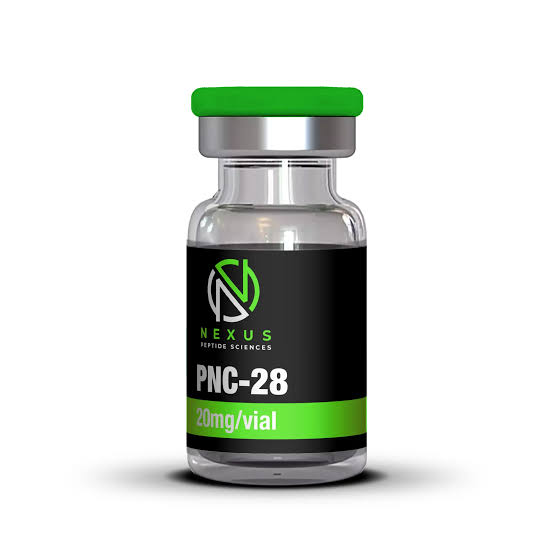
6.1 Safety Precautions
PNC-28 is for research use only and is not intended for human consumption. Appropriate safety precautions should be observed during handling:
· Inhalation: Move to fresh air immediately; administer oxygen if breathing difficulty occurs; perform artificial respiration if breathing stops
· Skin Contact: Wash thoroughly with plenty of water; remove contaminated clothing and shoes
· Eye Contact: Remove contact lenses if present; rinse thoroughly with plenty of water; seek medical attention if necessary
· Ingestion: Rinse mouth with plenty of purified water; seek medical attention
6.2 Personal Protective Equipment
When handling PNC-28, wear appropriate personal protective equipment:
· Respiratory protection: NIOSH/MSHA-approved respirator
· Hand protection: Chemical-resistant rubber gloves
· Eye protection: Chemical safety goggles
6.3 Spill Management
In case of spillage:
· Isolate the spill area
· Wear self-contained breathing apparatus, protective clothing, and heavy rubber gloves
· Absorb fine powder using liquid binding materials (e.g., diatomaceous earth)
· Clean surfaces and equipment by wiping with alcohol to remove residues
6.4 Waste Disposal
Dispose of PNC-28 in accordance with all applicable national, state, and local environmental regulations.
7.1 Pancreatic Cancer Research
PNC-28’s primary application is in pancreatic cancer research. Pancreatic cancer remains one of the most lethal malignancies, with a five-year survival rate below 10%. PNC-28 provides multiple research applications:
· p53 function studies: Investigating p53 protein function and regulatory mechanisms in pancreatic cancer cells
· Cell death mechanism research: Studying necrotic cell death pathways and their molecular mediators
· Drug screening: Serving as a positive control or tool compound for anticancer drug discovery
· Combination therapy studies: Exploring synergistic effects with conventional chemotherapeutics and targeted agents
7.2 Broad-Spectrum Anticancer Research
PNC-28 demonstrates cytotoxicity against a variety of human tumor cell lines beyond pancreatic cancer. Its p53-independent mechanism makes it relevant for studying diverse tumor types with p53 mutations.
7.3 Cell-Penetrating Peptide Research
PNC-28 serves as a model system for studying:
· Cell-penetrating peptide delivery efficiency
· Membrane penetration mechanisms
· Development of novel drug delivery systems
7.4 Mechanistic Studies
PNC-28 is a valuable tool for investigating:
· The role of HDM-2 in cancer cell membranes
· The switch between apoptotic and necrotic cell death pathways
· The function of the penetratin sequence in inducing membranolysis
The peptide induces cancer cell death through a p53-independent membranolysis mechanism, resulting in rapid necrosis rather than apoptosis. This mechanism is fundamentally different from traditional p53-targeted therapies and offers the critical advantage of activity against p53-mutant tumors.
In vitro studies demonstrate potent activity against human pancreatic cancer cell lines at concentrations of 0.1–0.5 mg/mL. In vivo studies in nude mouse xenograft models confirm significant antitumor activity, with complete tumor destruction observed in some administration regimens. The peptide exhibits remarkable selectivity for cancer cells over normal cells.
PNC-28 is available as a high-purity (>95%) peptide for research purposes, with well-characterized physicochemical properties and established storage and handling protocols. Its applications span pancreatic cancer research, mechanistic studies of cell death pathways, and cell-penetrating peptide research.
As research into p53 biology and tumor cell death mechanisms continues to advance, PNC-28 and its derivatives hold promise for expanding our understanding of cancer biology and potentially contributing to the development of novel therapeutic strategies for pancreatic and other malignancies.
8.1 Quality Control
PNC-28 products undergo rigorous quality control testing:
· Purity testing: HPLC purity ≥95% (up to 98.8%)
· Appearance inspection: White to off-white powder
· Sequence verification: Mass spectrometry confirmation
· Content determination: Accurate peptide content measurement
8.2 Available Package Sizes
Common packaging规格 include 5 mg and 10 mg. Custom packaging and bulk quantities may be available upon request for large-scale research projects.
9.1 Published Research
PNC-28 has been the subject of multiple peer-reviewed publications, including studies in the International Journal of Cancer and Annals of Surgical Oncology. Key research teams include Josef Michl, Bruce Scharf, Anna Schmidt, Matthew R. Pincus, and collaborators.
The MeSH (Medical Subject Headings) database has assigned PNC-28 a supplementary concept record (Unique ID C513570), recognizing its significance in biomedical research.
9.2 Future Research Directions
Based on current evidence, future research directions may include:
· Delivery optimization: Developing improved administration routes and delivery systems
· Combination strategies: Exploring synergistic effects with other therapeutic modalities
· Expanded tumor types: Investigating efficacy against additional cancer types
· Structure-activity relationship studies: Optimizing peptide structure for enhanced activity and stability
· Clinical translation: Advancing toward preclinical safety and efficacy studies
PNC-28 represents a significant advancement in the field of anticancer peptide research. Its unique dual-domain structure—combining the p53 MDM-2 binding domain with a penetratin cell-penetrating sequence—confers both efficient cellular entry and tumor-selective cytotoxicity.
The peptide induces cancer cell death through a p53-independent membranolysis mechanism, resulting in rapid necrosis rather than apoptosis. This mechanism is fundamentally different from traditional p53-targeted therapies and offers the critical advantage of activity against p53-mutant tumors.
In vitro studies demonstrate potent activity against human pancreatic cancer cell lines at concentrations of 0.1–0.5 mg/mL. In vivo studies in nude mouse xenograft models confirm significant antitumor activity, with complete tumor destruction observed in some administration regimens. The peptide exhibits remarkable selectivity for cancer cells over normal cells.
PNC-28 is available as a high-purity (>95%) peptide for research purposes, with well-characterized physicochemical properties and established storage and handling protocols. Its applications span pancreatic cancer research, mechanistic studies of cell death pathways, and cell-penetrating peptide research.
As research into p53 biology and tumor cell death mechanisms continues to advance, PNC-28 and its derivatives hold promise for expanding our understanding of cancer biology and potentially contributing to the development of novel therapeutic strategies for pancreatic and other malignancies.
PNC-28 is a synthetic research peptide composed of a p53-derived sequence (residues 17–26) fused to a penetratin cell-penetrating domain. This structure enables investigation of peptide-mediated membrane effects and selective cell-death mechanisms in cancer models under controlled experimental conditions.
| Dosage | 10mg, 20mg |
|---|---|
| Quantity | 1, 2, 5, 10 |
Only logged in customers who have purchased this product may leave a review.

Reviews
There are no reviews yet.