

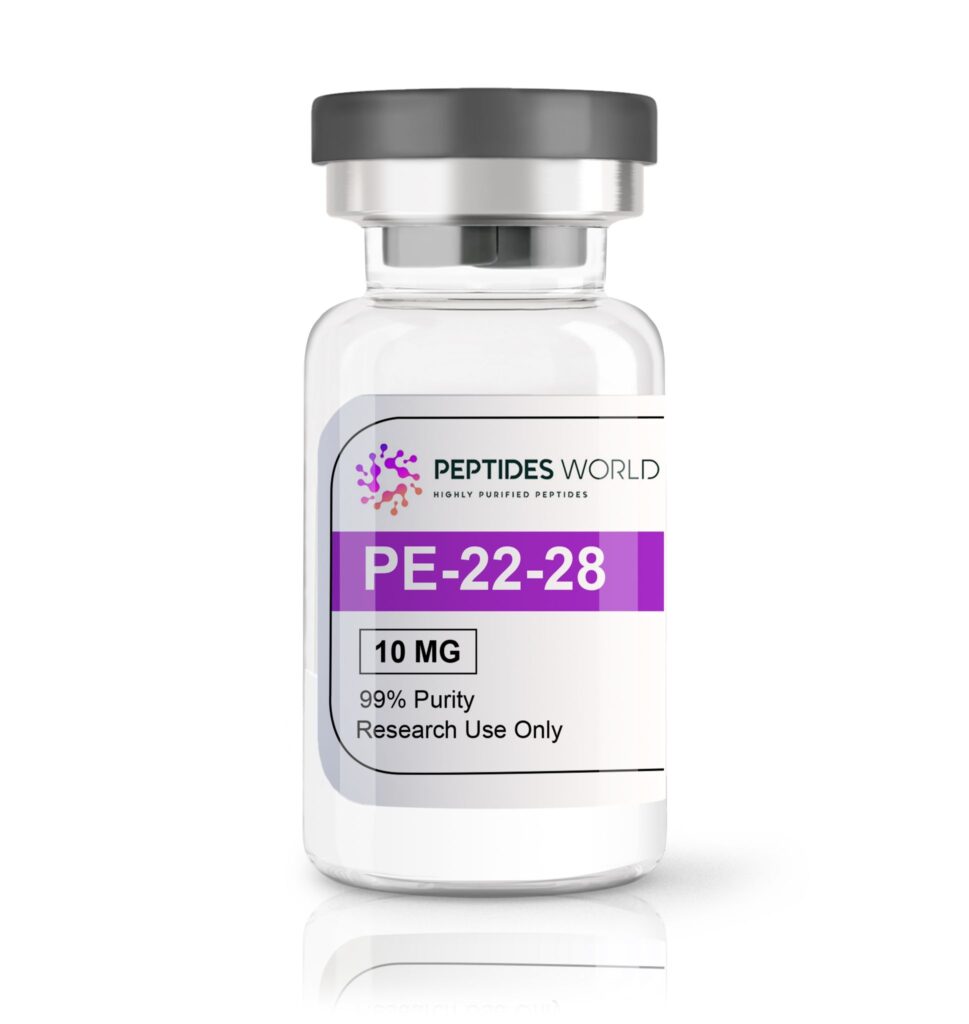
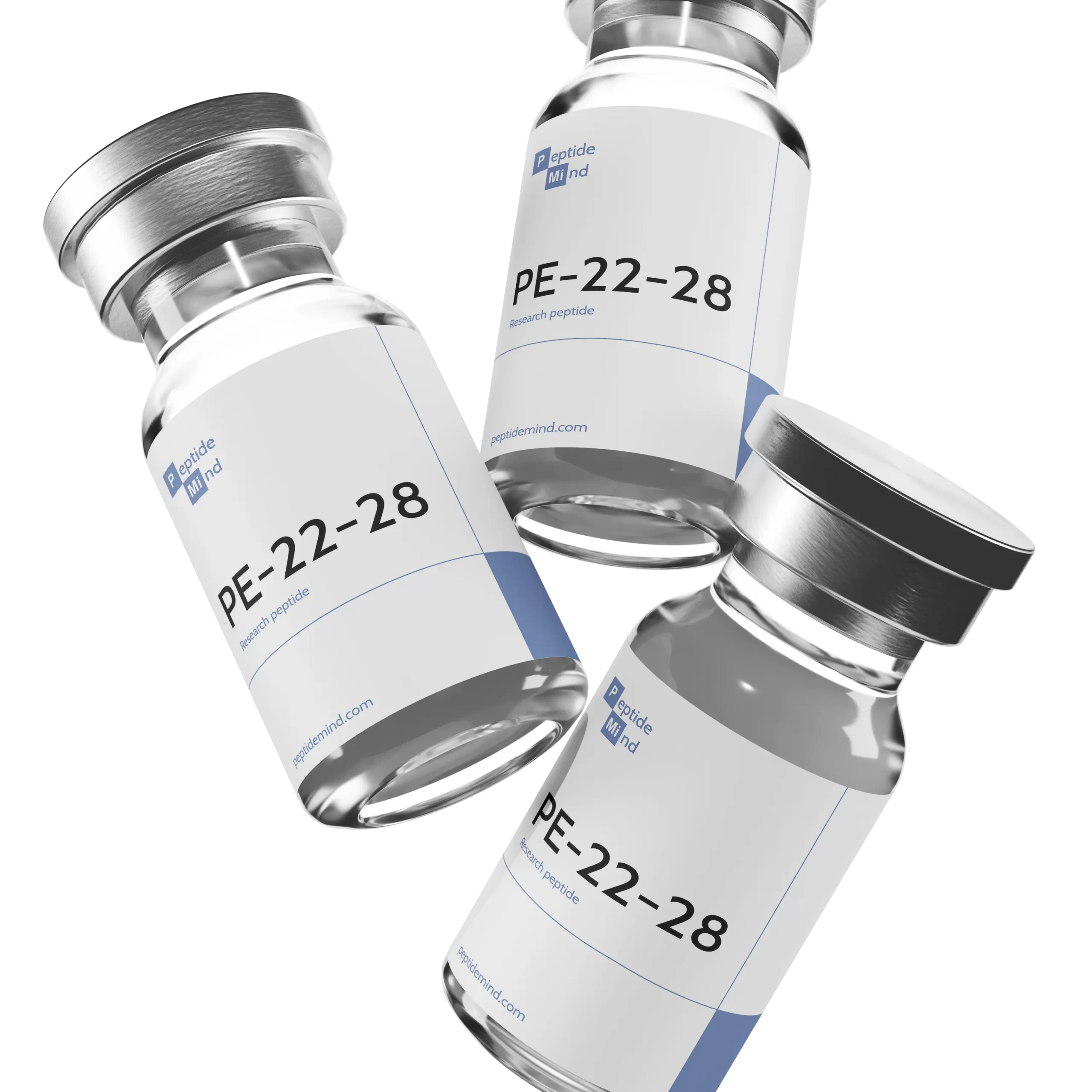
PE 22 28 is a synthetic neuropeptide that has garnered significant attention in the field of neuroscience and psychopharmacology due to its potent and rapid-acting antidepressant-like properties. As a research chemical of considerable interest, PE-22-28 represents a novel class of compounds that target specific ion channels in the central nervous system, offering potential new avenues for understanding and treating mood disorders. This comprehensive product description aims to provide researchers, scientists, and industry professionals with detailed information regarding the chemical properties, mechanism of action, research applications, and specifications of PE-22-28.
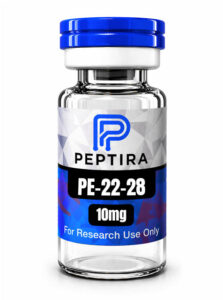
PE-22-28 is a synthetic derivative of the naturally occurring protein called spadin.(1) Spadin is a natural peptide derived from sortilin, an abundant protein in the central nervous system. PE-22-28 peptide is one such shortened peptide derivative of this protein; similar to spadin, PE-22-28 research indicates it primarily acts via the TREK-1 receptor. Researchers Djillani et al. commented that PE-22–28 may be “the shortest, most efficient sequence capable of blocking the TREK-1 channel” and may have a potentially higher potency in research settings than spadin.(2)
TREK-1 (TWIK-related potassium channel) receptor is a two-pore potassium channel recently identified as a potential target for studying and modifying animal models of depression. In 2010, research(3) suggested that when TREK-1 receptors were removed from murine models, they became more resistant to depression. TREK-1 receptor is primarily found in the brain region, including the prefrontal cortex and hippocampus, i.e., areas governing mood, memory, and learning. Simulating the TREK-1 receptor may reduce neuron excitability, whereas reducing the receptor activity may increase neuron excitability.(4) While mainly evaluated in the study of depression models, this receptor may also play a strong role in anesthesia, pain perception, and protection of neurons.
The peptide has emerged as a promising tool in preclinical research, particularly for its ability to modulate the TWIK-related potassium channel (TREK-1), which has been implicated in the pathophysiology of depression and other neurological conditions. Unlike traditional antidepressants that often require weeks of treatment to achieve therapeutic effects, PE-22-28 has demonstrated rapid-onset activity in various animal models, making it a subject of intense scientific investigation.
2.1 Basic Information
PE-22-28 is classified as a synthetic peptide compound developed specifically for research purposes. The peptide sequence is derived from spadin, a naturally occurring substance found in the venom of the蝎 (scorpion), though PE-22-28 represents a truncated and optimized version with enhanced properties. The compound is also known by its alternative designation as a TREK-1 channel blocker.
Key Identifiers:
· Product Name: PE-22-28
· CAS Number: Not publicly disclosed for research-grade materials
· Molecular Formula: C₃₆H₆₅N₁₁O₉ (approximate)
· Molecular Weight: Approximately 795-800 g/mol
· Purity: ≥95% (typical for research-grade material)
· Appearance: White to off-white lyophilized powder
· Solubility: Soluble in water and polar organic solvents
2.2 Structural Characteristics
PE-22-28 is a short peptide chain consisting of specific amino acid residues that confer its biological activity. The peptide’s structure is characterized by a sequence that allows for high affinity binding to the TREK-1 potassium channel. The molecular architecture of PE-22-28 includes key functional groups that facilitate its interaction with the target receptor site, including hydrophobic residues that enhance membrane permeability and charged residues that contribute to receptor binding specificity.
The compound’s structure-activity relationship (SAR) has been extensively studied, revealing that specific amino acid substitutions can significantly alter its potency and selectivity. The N-terminal and C-terminal regions of the peptide play crucial roles in determining its pharmacological profile, with modifications to these regions resulting in altered binding affinity and functional activity.
2.3 Physical and Chemical Stability
PE-22-28 demonstrates good stability under recommended storage conditions. As a lyophilized powder, the compound remains stable for extended periods when stored at -20°C or lower, protected from light and moisture. In solution, the peptide exhibits stability for short-term use when prepared in appropriate buffers, though extended storage in aqueous solutions is not recommended due to potential degradation.
The peptide’s stability profile is influenced by factors such as pH, temperature, and the presence of proteolytic enzymes. For research applications, it is recommended that solutions be prepared fresh or stored in aliquots at -80°C to maintain compound integrity and biological activity.
3.1 TREK-1 Channel Modulation
The primary mechanism of action for PE-22-28 involves its activity as a blocker of the TWIK-related potassium channel, specifically the TREK-1 subtype. TREK-1 is a member of the two-pore domain potassium channel family (K2P channels) and plays a critical role in regulating neuronal excitability and neurotransmitter release. These channels are widely expressed throughout the central nervous system, including regions such as the hippocampus, cortex, and amygdala, which are intimately involved in mood regulation and emotional processing.
By blocking TREK-1 channels, PE-22-28 effectively modulates the resting membrane potential of neurons and influences their firing properties. This modulation leads to alterations in neuronal excitability and neurotransmitter dynamics that underlie its observed behavioral effects. The peptide’s interaction with TREK-1 is characterized by high specificity, with minimal activity at other potassium channel subtypes, making it a valuable tool for studying the physiological functions of this particular channel.
3.2 Downstream Signaling Effects
The blockade of TREK-1 channels by PE-22-28 triggers a cascade of downstream signaling events that contribute to its neuropharmacological effects. Research has demonstrated that TREK-1 inhibition leads to increased neuronal excitability in specific brain regions, which in turn promotes the release of neurotrophic factors such as brain-derived neurotrophic factor (BDNF). BDNF is critically involved in synaptic plasticity, neurogenesis, and the maintenance of neuronal health, and its upregulation is a common feature of effective antidepressant treatments.
Additionally, PE-22-28 has been shown to modulate the activity of the serotonergic system, which is a key target for many conventional antidepressant medications. The peptide’s ability to influence serotonin signaling, combined with its effects on neurotrophic factor release, suggests that it may act through multiple complementary mechanisms to produce its rapid antidepressant-like effects.
3.3 Comparison with Conventional Antidepressants
Traditional antidepressants, including selective serotonin reuptake inhibitors (SSRIs) and tricyclic antidepressants, typically require several weeks of continuous administration before therapeutic benefits become apparent. This delayed onset is thought to reflect the time required for downstream neuroadaptive changes, such as the upregulation of BDNF and the remodeling of synaptic connections. In contrast, PE-22-28 has demonstrated rapid-onset antidepressant-like activity in preclinical models, with effects observed within hours to days of administration.
This rapid onset of action is a distinguishing feature of PE-22-28 and represents a significant advantage over conventional treatments. The mechanism underlying this rapid effect is believed to involve the direct modulation of neuronal excitability and the immediate enhancement of neurotrophic signaling, which bypasses the slower adaptive changes required by traditional antidepressants.
4.1 Preclinical Studies
PE-22-28 has been extensively studied in various preclinical models of depression and related mood disorders. The most commonly used models include the forced swim test (FST), the tail suspension test (TST), and chronic unpredictable stress (CUS) paradigms. In these models, PE-22-28 has consistently demonstrated significant antidepressant-like effects, as evidenced by reduced immobility time in the FST and TST, and reversal of stress-induced behavioral deficits in the CUS model.
Notably, the effects of PE-22-28 in these behavioral tests are comparable to or greater than those observed with conventional antidepressants, and the onset of action is significantly faster. Studies have reported that a single administration of PE-22-28 can produce antidepressant-like effects within 30 minutes to a few hours, whereas conventional antidepressants typically require repeated dosing over several days or weeks to achieve similar effects.
4.2 Neurobiological Effects
Beyond behavioral outcomes, research has investigated the neurobiological changes induced by PE-22-28. These studies have revealed that the peptide promotes neuroplasticity in key brain regions, including the hippocampus and prefrontal cortex. Specifically, PE-22-28 has been shown to enhance dendritic branching, increase spine density, and promote the survival of newly generated neurons. These structural changes are thought to underlie the long-lasting therapeutic effects of the compound and are consistent with the neuroplasticity hypothesis of depression.
Additionally, PE-22-28 has been found to modulate the expression of genes involved in neuroprotection and synaptic function. For example, treatment with PE-22-28 has been shown to upregulate the expression of BDNF and its receptor TrkB, as well as other neurotrophic factors such as vascular endothelial growth factor (VEGF). These molecular changes contribute to the compound’s ability to promote neuronal health and function.
4.3 Comparison with Spadin
PE-22-28 is structurally related to spadin, a peptide originally isolated from scorpion venom that also acts as a TREK-1 blocker. However, PE-22-28 represents a truncated version of spadin that retains the active portion responsible for channel blockade while eliminating sequences that may contribute to off-target effects or immunogenicity. This optimization has resulted in a compound with improved pharmacological properties, including enhanced potency, better stability, and reduced potential for adverse effects.
Comparative studies between PE-22-28 and spadin have shown that the truncated peptide exhibits similar or superior antidepressant-like activity in preclinical models, with a more favorable safety profile. These findings support the development of PE-22-28 as a more refined research tool for studying TREK-1 function and its role in mood regulation.
4.4 Potential Therapeutic Areas
While the primary focus of PE-22-28 research has been on depression, the compound’s mechanism of action suggests potential applications in other neurological and psychiatric conditions. Given the role of TREK-1 channels in regulating neuronal excitability and the widespread distribution of these channels in the brain, PE-22-28 may have therapeutic potential in conditions such as:
· Anxiety disorders: TREK-1 channels have been implicated in anxiety-related behaviors, and TREK-1 knockout mice exhibit reduced anxiety-like behavior. PE-22-28 may therefore have anxiolytic properties.
· Neurodegenerative diseases: The neuroprotective effects of BDNF and other neurotrophic factors upregulated by PE-22-28 suggest potential benefits in conditions such as Alzheimer’s disease and Parkinson’s disease.
· Epilepsy: Modulation of potassium channels can influence seizure susceptibility, and TREK-1 activators have been shown to have anticonvulsant properties. The effects of TREK-1 blockade on seizure activity are complex and require further investigation.
· Pain: TREK-1 channels are involved in pain perception, and both activators and blockers of these channels have been investigated for analgesic effects.
These potential applications highlight the versatility of PE-22-28 as a research tool and underscore the importance of continued investigation into its pharmacological properties.

5.1 Preclinical Safety Data
Preclinical studies investigating the safety profile of PE-22-28 have generally reported favorable results, with the compound being well-tolerated at doses required to produce therapeutic effects. In acute toxicity studies, no significant adverse effects have been observed at doses up to several times the effective dose. Chronic toxicity studies have similarly shown no evidence of organ toxicity or cumulative adverse effects.
The peptide nature of PE-22-28 contributes to its favorable safety profile, as peptides are typically metabolized into constituent amino acids that can be recycled by the body. This contrasts with many small-molecule drugs that can produce toxic metabolites or accumulate in tissues.
5.2 Potential Adverse Effects
While PE-22-28 appears to be well-tolerated in preclinical studies, researchers should be aware of potential adverse effects associated with TREK-1 blockade. Given the widespread expression of TREK-1 channels throughout the body, including in the heart and smooth muscle, systemic administration of PE-22-28 could theoretically affect cardiovascular function and other physiological processes. However, studies to date have not reported significant cardiovascular or other systemic adverse effects at therapeutic doses.
As with all research chemicals, appropriate precautions should be taken when handling PE-22-28, including the use of personal protective equipment and adherence to institutional safety guidelines. The compound is intended for research purposes only and is not approved for human or veterinary use.
6.1 Purity and Analytical Characterization
PE-22-28 is typically supplied as a lyophilized powder with a purity of ≥95% as determined by high-performance liquid chromatography (HPLC). Each batch is subjected to rigorous quality control testing to ensure consistency and reliability of research results. Analytical methods used for characterization include:
· HPLC: For assessment of purity and quantification of the peptide
· Mass Spectrometry (MS): For confirmation of molecular weight and structural identity
· Amino Acid Analysis: For verification of peptide composition
· Peptide Sequencing: For confirmation of the amino acid sequence
Certificates of analysis (CoA) are provided with each batch, documenting the results of these quality control tests and providing researchers with the information needed to verify the identity and purity of the product.
6.2 Formulation and Packaging
PE-22-28 is available in various packaging configurations to suit different research needs, including:
· Vial sizes: 1 mg, 5 mg, 10 mg, and larger quantities
· Formulation: Lyophilized powder
· Packaging: Sealed vials under inert gas to prevent oxidation and moisture absorption
The lyophilized form of PE-22-28 offers several advantages for research applications, including enhanced stability during shipping and storage, ease of handling, and the ability to reconstitute the peptide in the solvent of choice for specific experimental protocols.
6.3 Storage and Handling
Proper storage and handling of PE-22-28 are essential to maintain the compound’s integrity and biological activity. Recommended storage conditions include:
· Temperature: -20°C or lower for long-term storage
· Protection: Store in a desiccated environment, protected from light
· Reconstitution: Prepare solutions using sterile, appropriate solvents (e.g., water, saline, or DMSO)
· Aliquoting: Prepare single-use aliquots to avoid repeated freeze-thaw cycles
Researchers should follow institutional guidelines for the handling and disposal of research chemicals and should be aware of any local regulations governing the use of such compounds.
7.1 Target Market
PE-22-28 is marketed primarily to the research community, including academic institutions, pharmaceutical companies, and contract research organizations (CROs) engaged in neuroscience and psychopharmacology research. The compound is intended for in vitro and in vivo studies investigating the role of TREK-1 channels in neuronal function, mood regulation, and related physiological processes.
7.2 Competitive Landscape
The market for research peptides and neuropharmacological tools is highly competitive, with numerous suppliers offering a wide range of compounds. PE-22-28 distinguishes itself through its specific mechanism of action as a TREK-1 blocker and its rapid-onset antidepressant-like effects in preclinical models. These properties make it a valuable tool for researchers seeking to study the role of potassium channels in mood disorders and to develop novel therapeutic strategies.
Other compounds targeting TREK-1 channels include spadin and various small-molecule modulators, each with distinct pharmacological profiles. PE-22-28 offers advantages in terms of specificity, potency, and stability compared to some of these alternatives, making it a preferred choice for many research applications.
7.3 Pricing and Ordering Information
Pricing for PE-22-28 varies depending on the quantity ordered and the supplier. Researchers should consult with their preferred supplier for current pricing and availability. Bulk discounts may be available for larger quantities, and custom synthesis services may be offered for researchers requiring modified versions of the peptide or larger-scale production.
8.1 Ongoing Research
Research on PE-22-28 and related compounds is ongoing, with several areas of active investigation. These include:
· Mechanistic studies: Further elucidation of the signaling pathways and molecular mechanisms underlying the compound’s effects
· Optimization: Development of analogs with improved potency, selectivity, and pharmacokinetic properties
· Clinical translation: Investigation of the potential for PE-22-28 or related compounds to be developed into therapeutic agents for human use
· Broader applications: Exploration of the compound’s effects in other neurological and psychiatric conditions
8.2 Potential for Therapeutic Development
While PE-22-28 is currently a research chemical, its promising preclinical profile suggests potential for therapeutic development. The rapid onset of action, favorable safety profile, and neuroplasticity-promoting effects make it an attractive candidate for further development. However, significant additional research, including extensive toxicity studies and clinical trials, would be required before any therapeutic application could be realized.
8.3 Collaboration Opportunities
Researchers interested in studying PE-22-28 are encouraged to collaborate with other groups working in related areas. Collaborative efforts can accelerate the pace of discovery and facilitate the translation of basic research findings into clinical applications. Suppliers of PE-22-28 may offer technical support and custom synthesis services to facilitate such collaborations.
PE 22-28 Peptide represents a significant advancement in the field of neuropharmacology, offering researchers a powerful tool for investigating the role of TREK-1 potassium channels in mood regulation and neuronal function. Its rapid-onset antidepressant-like effects, favorable safety profile, and ability to promote neuroplasticity distinguish it from conventional antidepressants and make it a valuable compound for preclinical research.
As research continues to elucidate the mechanisms underlying PE-22-28’s effects and explore its potential applications, this peptide is likely to remain at the forefront of investigations into novel therapeutic strategies for depression and related disorders. The availability of high-quality, well-characterized PE-22-28 from reputable suppliers ensures that researchers can confidently incorporate this compound into their experimental protocols and contribute to the growing body of knowledge surrounding TREK-1 channels and their role in brain function.
For researchers considering the use of PE-22-28 in their studies, it is essential to consult the relevant scientific literature, adhere to institutional guidelines for the handling of research chemicals, and ensure that all experiments are conducted in accordance with ethical standards. With appropriate use, PE-22-28 has the potential to yield valuable insights that may ultimately lead to improved treatments for some of the most debilitating neurological and psychiatric conditions affecting human health.
| Chose | Nasal Spray, Injections |
|---|---|
| Quantity | 1, 2, 5, 10 |
Only logged in customers who have purchased this product may leave a review.

Reviews
There are no reviews yet.