
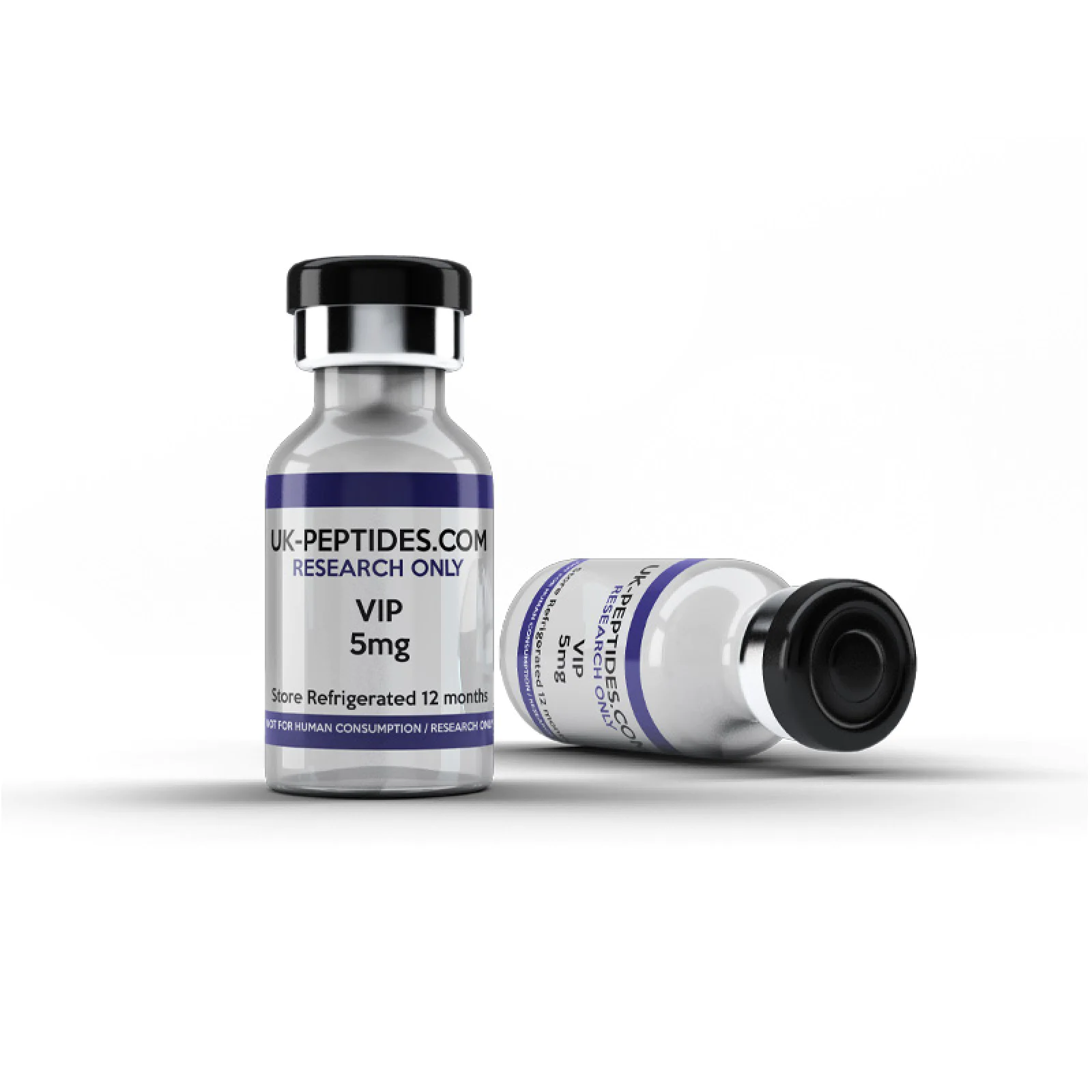
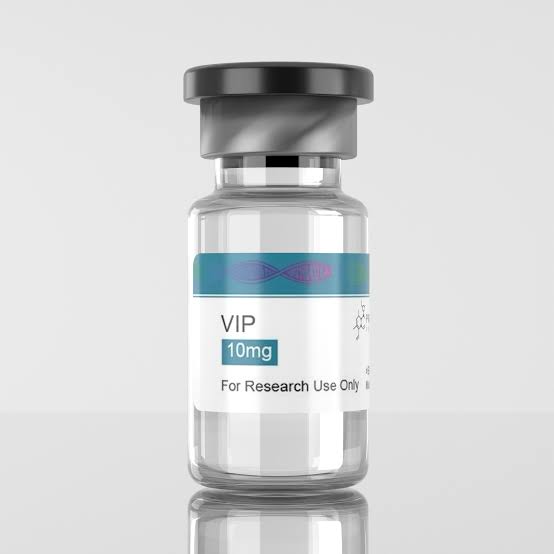
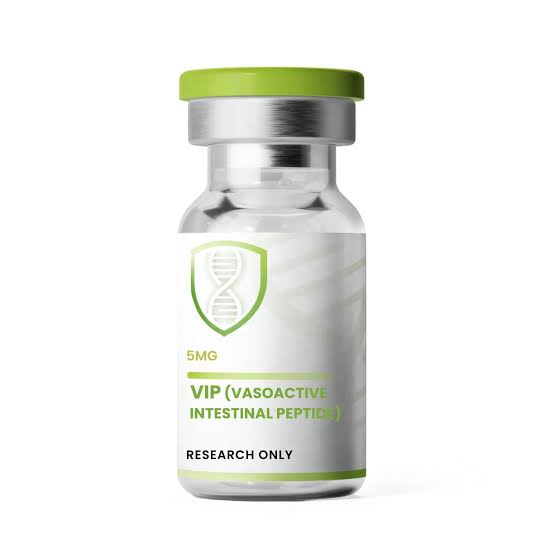
VIP Peptide has recognized physiological roles in gastrointestinal function. Researchers investigate its relationship with smooth-muscle activity, intestinal secretion, and the regulation of digestive processes.
Studies in this area can help clarify how peptide signaling contributes to the coordinated activities of gastrointestinal tissues.
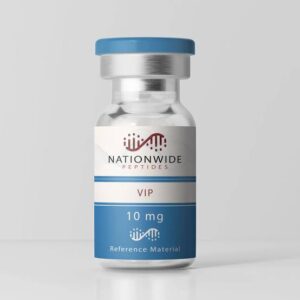
Product Name: VIP Peptide
Full Name: Vasoactive Intestinal Peptide
Abbreviation: VIP
Product Category: Biologically Active Research Peptide
Product Type: Synthetic peptide, subject to supplier specifications
Primary Application: Laboratory research and scientific investigation
Typical Research Format: Lyophilized powder or another supplier-specified preparation
Quality Documentation: Certificate of Analysis (CoA), batch identification, and available analytical documentation
Intended Use: Research use only, unless specifically authorized and supplied for another regulated purpose.
VIP Peptide, also known as Vasoactive Intestinal Peptide, is a biologically active peptide that has attracted considerable interest in biochemical, physiological, pharmacological, and molecular biology research. It belongs to a group of naturally occurring signaling molecules involved in communication between cells and the regulation of various physiological processes.
In scientific research, VIP is studied for its interactions with specific receptors, its influence on intracellular signaling pathways, and its role in communication between the nervous, immune, gastrointestinal, and other physiological systems.
As interest in peptide biology continues to expand, VIP Peptide represents a specialized research material for laboratories investigating receptor activity, cell signaling, neurobiology, and related areas of biomedical science.
Commercially, VIP Peptide is intended to meet the needs of qualified research organizations, academic laboratories, biotechnology companies, and other institutions conducting legitimate scientific investigations. Its value depends on clearly defined product specifications, appropriate analytical verification, reliable documentation, and consistent quality management.
A professional VIP Peptide product offering should provide transparent information about the peptide’s identity, purity, quantity, physical presentation, storage requirements, batch traceability, and intended application. These details enable researchers and procurement professionals to evaluate the product against their experimental requirements.
VIP Peptide is a naturally occurring peptide composed of 28 amino acid residues. It was first characterized in connection with its physiological effects on intestinal tissues and has subsequently been investigated in numerous biological systems.
VIP acts as a signaling molecule by interacting primarily with two G-protein-coupled receptors known as VPAC1 and VPAC2. These receptors participate in cellular communication and can activate intracellular signaling pathways, including pathways associated with cyclic adenosine monophosphate, commonly abbreviated as cAMP.
The activity observed in a particular experiment depends on several factors, including receptor expression, experimental conditions, peptide integrity, concentration, and the biological system under investigation.
For commercial product identification, suppliers should distinguish the exact VIP peptide sequence from other related peptides and analogues. Products that share similar names may have different sequences, chemical modifications, molecular characteristics, or biological properties.
The product specification should therefore identify whether the material is native human VIP, a sequence variant, a modified peptide, or another related research compound. The distinction is important for scientific reproducibility and accurate interpretation of experimental findings.
A reliable commercial description should also avoid implying that every product labelled VIP Peptide has identical purity, potency, stability, or suitability for every research application.
VIP Peptide may be offered in a lyophilized powder format or another presentation specified by the manufacturer. Lyophilization is a freeze-drying process commonly used to prepare sensitive biological materials for storage and distribution.
The actual physical appearance, residual moisture, peptide content, and composition of a commercial preparation depend on the manufacturing process and formulation. The product should not be described as containing only pure peptide unless the analytical documentation supports that statement.
Depending on the supplier and product specification, a vial may contain peptide material together with permitted formulation components or residual substances associated with manufacturing. Researchers should consult the relevant product documentation before using the material in an experiment.
Commercial package sizes should be stated clearly, including the nominal amount per vial and the number of vials supplied. Where applicable, the documentation should distinguish the total mass of the powder from the actual peptide content.
This distinction is particularly important for peptide products because counterions, water content, salts, and other formulation characteristics can affect how the measured mass relates to the amount of peptide present.
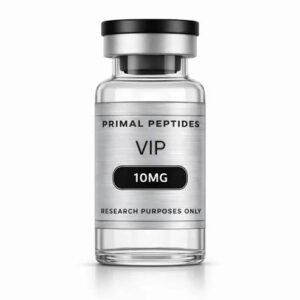
A professional product label should include the product name, batch or lot number, stated quantity, storage instructions, manufacturer or supplier identification, and appropriate research-use designation.
Quality is a central consideration when selecting a research peptide. Inadequate characterization, degradation, impurities, or incorrect product identification can compromise experimental results and create uncertainty when comparing findings between laboratories.
A commercially responsible VIP Peptide supplier should use documented quality procedures appropriate to the product and its intended use.
Quality assessment may include several complementary analytical techniques:
It is important to understand that a high HPLC purity result does not independently establish sterility, freedom from endotoxins, clinical suitability, or biological potency. These characteristics require separate evaluation when relevant.
Suppliers should report only the quality attributes that have actually been assessed and should not make unsupported claims such as pharmaceutical grade, sterile, or endotoxin-free without suitable evidence.
The production of synthetic research peptides generally involves controlled chemical synthesis, intermediate processing, purification, analytical characterization, and final preparation for distribution. The precise manufacturing process used for a particular VIP Peptide product depends on the manufacturer and the applicable specifications.
Commercial production begins with a defined target sequence and an approved product specification. The manufacturing organization establishes the required identity, quality attributes, acceptance criteria, and documentation before the product is released.
Following synthesis, peptide material may undergo purification to remove unwanted synthesis-related components and other impurities. Subsequent analytical testing helps determine whether the material meets the established release criteria.
Where required by the intended use, manufacturing controls may also address contamination risks, environmental conditions, equipment suitability, personnel training, and material traceability.
The final preparation is packaged according to the product’s stability requirements and distribution conditions. Appropriate packaging should protect the material from avoidable exposure to moisture, heat, light, and other environmental factors that could contribute to degradation.
For commercial buyers, the most important indicators are not unsupported descriptions of manufacturing sophistication but documented evidence of product identity, consistent specifications, batch-level quality, and an appropriate quality management system.
A supplier should provide accurate information about the actual manufacturing and testing arrangements. It should not claim that a product was manufactured under pharmaceutical Good Manufacturing Practice (GMP) unless that claim is supported by the relevant evidence and applies to the specific manufacturing operation.
VIP Peptide is investigated in several areas of biological and biomedical research. Its applications depend on the experimental model, scientific objective, and study design.
Receptor Biology
One important area of investigation is the interaction between VIP Peptide and the VPAC1 and VPAC2 receptors.
Researchers may examine receptor binding, receptor expression, signaling responses, and differences in cellular behavior under controlled experimental conditions.
Such work can contribute to a better understanding of how peptide signals are received and processed by cells.
Intracellular Signaling
VIP is associated with intracellular signaling pathways involving cAMP. Research in this area may investigate the relationship between receptor activation and downstream cellular responses.
The specific findings depend on the biological model and experimental conditions. The peptide should therefore be treated as a research reagent rather than as a universal indicator of a particular biological outcome.
Gastrointestinal Physiology
VIP Peptide has recognized physiological roles in gastrointestinal function. Researchers investigate its relationship with smooth-muscle activity, intestinal secretion, and the regulation of digestive processes.
Studies in this area can help clarify how peptide signaling contributes to the coordinated activities of gastrointestinal tissues.
Neuroscience
VIP Peptide is also studied in neurobiology because it functions as a signaling molecule in parts of the nervous system.
Research may examine neuronal communication, neuropeptide expression, interactions with other signaling systems, and the contribution of VIP-related pathways to physiological regulation.
Immunology and Inflammation Research
Researchers have investigated VIP in relation to immune-cell communication and inflammatory signaling.
The effects observed in research models can vary considerably according to the cell type, receptor distribution, concentration, and experimental environment. Findings from laboratory studies should not be automatically interpreted as evidence of clinical effectiveness.
Vascular and Smooth-Muscle Research
VIP Peptide has been studied for its relationship with vascular smooth-muscle activity and blood-vessel regulation.
These investigations may focus on receptor-mediated responses and the mechanisms through which peptide signaling influences physiological processes.
Commercial product descriptions should present these topics as areas of scientific investigation rather than promising that a research peptide will produce a particular therapeutic result.
For professional research buyers, the value of a peptide product extends beyond its nominal quantity or advertised purity.
A well-documented VIP Peptide offering can provide several practical advantages.
Appropriate packaging and distribution procedures are important for maintaining the quality of sensitive peptide materials.
Commercial packaging should be selected according to the peptide’s physical characteristics, formulation, stability information, and intended distribution conditions.
Each container should be clearly labelled and associated with a traceable batch record. The external packaging should protect the product during ordinary handling and transport, while the accompanying documentation should provide any necessary instructions for receipt and storage.
Temperature requirements should be based on the supplier’s validated or otherwise scientifically supported product instructions. A universal storage temperature should not be assumed for all VIP Peptide preparations.
Where temperature-controlled shipping is required, the supplier should define suitable transport conditions and establish procedures for evaluating potential excursions.
International distribution may also involve customs declarations, import requirements, chemical or biological material classification, and other jurisdiction-specific obligations. Buyers should verify that the product can lawfully be imported and used for its stated purpose in the destination country.
A professional supplier should communicate any shipping restrictions, documentation requirements, and handling limitations before accepting an order.
VIP Peptide can be sensitive to environmental conditions, and their stability depends on factors such as sequence, formulation, moisture, temperature, exposure to light, and contact with other materials.
For this reason, storage instructions should be specific to the product rather than copied from the instructions for an unrelated peptide.
The product label or technical data sheet should state the manufacturer’s recommended storage conditions, handling precautions, and any applicable shelf-life limitations.
After opening or preparing a product, additional considerations may apply. Researchers should follow the manufacturer’s instructions and relevant laboratory procedures rather than assuming that the unopened product’s stability information also applies to a prepared solution.
Stability claims should be supported by appropriate data. In the absence of suitable evidence, a supplier should avoid guaranteeing long-term stability or providing a precise expiry period without justification.
Careful recordkeeping, appropriate storage equipment, and clear identification of opened or prepared materials can help research laboratories manage their peptide inventories responsibly.
VIP Peptide is a biologically active signaling molecule. Its biological activity means that its handling and use should be considered in the context of the specific product, the research objective, and the applicable safety requirements.
A research-use designation does not mean that a substance is automatically harmless. Laboratories should review available safety information, conduct an appropriate risk assessment, and follow their institutional procedures for handling research chemicals and biological reagents.
Commercial research products should not be advertised as approved medicines unless they have the necessary authorization for that purpose.
A research peptide should not be represented as a proven treatment for inflammation, gastrointestinal disorders, neurological conditions, immune disorders, or any other disease without adequate evidence and the relevant regulatory authorization.
Similarly, research-grade purity does not establish suitability for injection, inhalation, ingestion, or other administration to humans or animals.
Clinical use requires separate consideration of product quality, safety, efficacy, formulation, manufacturing standards, and regulatory authorization. Customers should consult appropriately qualified professionals and relevant regulatory authorities when assessing any proposed non-research application.
Responsible suppliers communicate these limitations clearly and avoid promotional claims that exceed the available evidence.
The regulatory status of VIP Peptide depends on its formulation, intended use, method of marketing, destination country, and other relevant circumstances.
A product supplied exclusively as a laboratory research reagent may be subject to different requirements from a product manufactured or marketed as a medicine. The research-use label alone does not determine the legal classification in every jurisdiction.
Commercial suppliers should maintain accurate product records and ensure that their marketing materials comply with applicable advertising, consumer protection, importation, and product-safety requirements.
Where appropriate, product documentation may include a Certificate of Analysis, product specification, safety data sheet, batch record references, and other technical documents.
A Certificate of Analysis should relate to the relevant batch and identify the tests performed and the results obtained. It should not be presented as proof of attributes that were not tested.
Customers purchasing for institutional research may also require supplier qualification records, traceability information, quality-system documentation, or additional technical support.
For international sales, the seller and buyer should establish their respective responsibilities for export documentation, import permits, customs declarations, and compliance with the rules applicable to the destination market.
A well-presented VIP Peptide product can serve the procurement needs of research laboratories seeking a clearly identified and adequately documented peptide reagent. The commercial value of the product is strengthened by reliable batch traceability, transparent analytical results, clear product labelling, suitable packaging, and accurate technical information.
For institutional customers, these features can simplify supplier evaluation and support more consistent laboratory documentation. For biotechnology and research organizations, dependable product information can also improve coordination between purchasing, quality assurance, laboratory operations, and research personnel.
However, product quality should be demonstrated through appropriate evidence rather than inferred from the appearance of the packaging, the stated price, or the use of technical terminology in promotional materials.
A supplier’s commercial presentation should therefore focus on verifiable characteristics and clearly identify any information that remains subject to confirmation.
What is VIP Peptide?
VIP Peptide is the name commonly used for Vasoactive Intestinal Peptide, a 28-amino-acid biological signaling peptide studied in several areas of biomedical science.
What is VIP Peptide used for?
It is investigated in research involving receptor biology, cellular signaling, gastrointestinal physiology, neuroscience, immune signaling, and vascular physiology.
What form is VIP Peptide supplied in?
The physical presentation depends on the supplier. Some research peptides are supplied as lyophilized powders, while other preparations may have different specified formats.
How can product purity be verified?
The relevant batch documentation may include HPLC results and other appropriate analytical evidence. The methods used and the scope of the results should be reviewed before making quality claims.
Does high purity mean the product is sterile?
No. Purity, sterility, endotoxin content, and suitability for clinical use are distinct characteristics that require appropriate evidence.
Can research-grade VIP Peptide be used as a medicine?
A research-grade designation does not establish authorization or suitability for human treatment. Any medicinal use must meet the applicable safety, quality, efficacy, and regulatory requirements.
How should VIP Peptide be stored?
Storage should follow the product-specific instructions provided by the manufacturer or supplier. Requirements can differ according to formulation and stability.
What documents should accompany the product?
Depending on the supplier and intended use, relevant documents may include a product specification, batch-specific Certificate of Analysis, safety information, storage instructions, and traceability details.
VIP Peptide is a specialized research peptide with established relevance to the study of biological signaling and physiological regulation. Its interactions with VPAC1 and VPAC2 receptors make it a subject of interest across receptor biology, neuroscience, gastrointestinal physiology, immunology, and related research disciplines.
For commercial buyers, the quality of a VIP Peptide product should be assessed through clear identification, appropriate analytical testing, transparent specifications, batch traceability, and scientifically supported storage and stability information. A professional product description should accurately communicate the product’s characteristics, intended research applications, and limitations. It should avoid unsupported therapeutic claims and distinguish research-grade material from products authorized for clinical use.
By prioritizing documentation, responsible supply practices, and transparent quality information, a VIP Peptide supplier can provide research customers with a clearer basis for evaluating the product and determining whether it meets their legitimate scientific requirements.
| Dosage | 5mg, 10mg |
|---|---|
| Choose | 1 Vial, 2 Vials, 5 Vials, 10 Vials |
Only logged in customers who have purchased this product may leave a review.
Reviews
There are no reviews yet.