
Nad+ Peptide is a molecule of profound biological importance, positioned at the nexus of energy metabolism, DNA repair, and the molecular mechanisms of aging. While the term “NAD+ peptide” is a misnomer, the scientific interest in NAD+ and its interplay with peptide-based systems is genuine and growing. For the research community, the critical factors are the availability of high-purity, well-characterized material and a clear understanding of its inherent chemical instability.
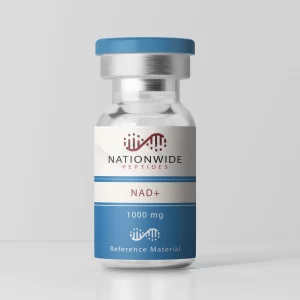
Nad+ Peptide (Nicotinamide Adenine Dinucleotide) is a coenzyme central to cellular redox chemistry, present in every living cell. Research has examined its role in electron transport, mitochondrial function, sirtuin activity and DNA repair pathways. Of particular interest in ageing and metabolism research, where NAD+ levels and precursor strategies are widely studied. Lyophilised powder, third-party tested.
In the rapidly evolving landscape of longevity research and regenerative science, few molecules have captured the scientific and commercial imagination quite like Nad+ Peptide. Nicotinamide adenine dinucleotide is a fundamental coenzyme found in every living cell, central to the most critical processes of life: energy metabolism, DNA repair, and cellular stress response.
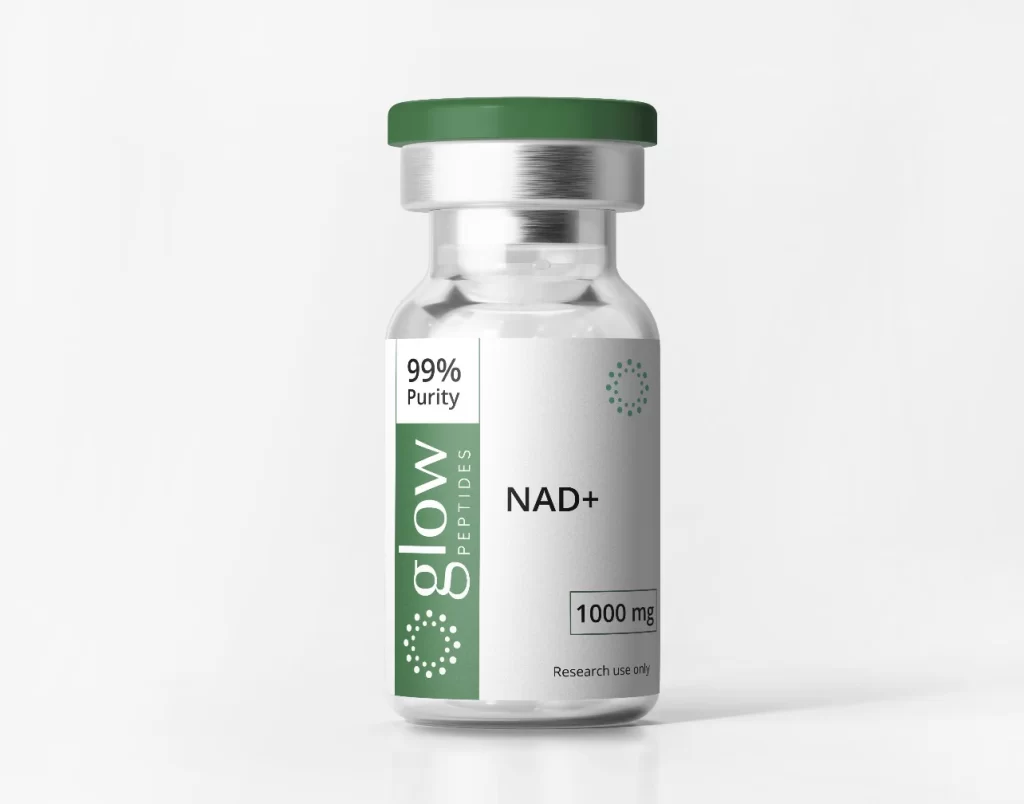
However, as the compound has gained prominence, so too has a persistent terminological confusion. The term “NAD+ peptide” is widely used in marketing and clinical settings, yet it is scientifically inaccurate. NAD+ is a dinucleotide, a molecule built from two nucleotides joined by phosphate groups, and contains zero amino acids and zero peptide bonds. A peptide, by contrast, is a short chain of amino acids linked by peptide bonds.
The phrase “NAD+ peptide” likely emerged as a convenient shorthand to group NAD+ alongside the many therapeutic peptides offered in clinics, such as BPC-157, GHK-Cu, and TB500. While NAD+ and peptides belong to entirely different biochemical categories, their pathways often intersect in the context of cellular health. Some research explores conjugating NAD+ to peptide scaffolds to enhance delivery and specificity, and other peptide-based delivery systems, such as peptoid nanotubes, have been engineered to transport NAD+ precursors into cells.
This description aims to clarify the biochemical reality of NAD+ while providing a thorough, research-oriented examination of its production, mechanisms, quality control, and laboratory applications. It is intended for researchers, formulators, and scientific professionals seeking a comprehensive understanding of this essential coenzyme in its high-purity, research-grade form.
To fully understand Nad+ Peptide, one must first appreciate its precise molecular architecture. NAD+ is composed of two nucleotides: nicotinamide mononucleotide (NMN) and adenosine monophosphate (AMP), connected by a pyrophosphate bridge. Its chemical formula is C₂₁H₂₇N₇O₁₄P₂, with a molecular weight of approximately 663.4 g/mol. The molecule exists in two interchangeable forms: the oxidized form, NAD+, and the reduced form, NADH. This redox couple is the cornerstone of its biological function.
The primary role of NAD+ is as a redox cofactor. It functions like a molecular battery, accepting electrons (in the form of a hydride ion) at one enzyme and delivering them to another. In the cytoplasm, it is reduced to NADH during glycolysis. This NADH then transports electrons to the mitochondrial electron transport chain, where they are used to generate ATP through oxidative phosphorylation.
The NAD+ is then regenerated, ready to repeat the cycle. This continuous cycling is essential for the efficient extraction of energy from nutrients. Beyond its role in redox reactions, NAD+ also serves as a consumed substrate for a family of enzymes that are central to cellular maintenance and longevity, including sirtuins, poly(ADP-ribose) polymerases (PARPs), and CD38.
NAD+ exerts its profound effects on cellular physiology through two primary, interconnected mechanisms: its role as an electron carrier and its function as a signaling molecule that activates key enzymatic pathways.
The Redox Engine: Fueling Mitochondrial ATP Production
The most fundamental function of Nad+ Peptide is to drive mitochondrial energy production. It shuttles electrons between metabolic pathways, ensuring the continuous flow of substrates into the electron transport chain.
A decline in cellular NAD+ levels is directly linked to mitochondrial dysfunction and a reduction in ATP generation, leading to what is often described as a “cellular energy crisis”. In research models, supplementing with NAD+ or its precursors has been shown to support mitochondrial efficiency and promote oxidative phosphorylation, helping cells adapt to varying energetic demands. This makes NAD+ a critical target for studies involving metabolic stress, fatigue, and age-related bioenergetic decline.
The Signaling Hub: Activating Sirtuins and PARPs
Nad+ Peptide is not merely a passive carrier of electrons; it is an indispensable co-substrate for enzymes that regulate gene expression, DNA repair, and cellular survival.
· Sirtuins (SIRT1–SIRT7): These Nad+ Peptide-dependent deacetylases are often called the “longevity enzymes” because they regulate a wide array of processes, including DNA repair, mitochondrial biogenesis, inflammation, and metabolic adaptation. SIRT1, for example, promotes mitochondrial health and suppresses inflammatory signaling, while SIRT3 enhances oxidative metabolism and antioxidant defenses. The activity of these sirtuins is directly limited by the availability of Nad Peptide; when NAD+ levels fall, the protective functions of sirtuins are compromised.
· Poly(ADP-Ribose) Polymerases (PARPs): PARP enzymes are the first responders to DNA damage. They consume NAD+ to synthesize poly(ADP-ribose) chains that recruit repair proteins to sites of genomic injury. This directly ties NAD+ levels to the efficiency of DNA repair. As DNA damage accumulates with age, PARP activation increases, consuming more Nad+ Peptide and potentially creating a depletion feedback loop that accelerates cellular aging.
The interplay between these pathways explains why NAD+ is considered a central regulator of cellular homeostasis. Its decline is associated with increased oxidative stress, impaired DNA repair, and reduced Sirt1 activity, all hallmarks of the aging process.
While clinical data in humans for direct Nad+ Peptide administration remains limited, preclinical research has uncovered a wide range of potential applications for NAD+ and its related delivery systems. These findings form the foundation for ongoing investigation.
Cardiovascular Aging and Senescence
Aging is the primary risk factor for cardiovascular disease. Research has shown that NAD+ levels decline with age and in cardiovascular disease, and restoring them may help prevent cellular senescence and slow disease progression. A 2026 study published in the Journal of the American College of Cardiology introduced a novel designer peptide, NPA7, which was shown to alleviate oxidative stress-induced senescence in human cardiomyocytes and endothelial cells.
Mechanistically, NPA7 improved Nad+ Peptide metabolism and enhanced the protein level of Sirt3, a NAD+-dependent deacetylase. In spontaneously hypertensive rats, chronic treatment with NPA7 lowered systolic blood pressure and reduced senescence markers in the aorta. This highlights the potential of targeting NAD+ pathways to protect against hypertension-associated cardiovascular aging.
Neuroprotection and Brain Injury Recovery
Acute brain injuries, such as stroke and traumatic brain injury, result in ischemia, oxidative stress, and a severe depletion of ATP. NAD+ is crucial for energy regeneration and DNA repair during post-injury recovery. However, delivering NAD+ effectively to the brain is challenging due to the blood-brain barrier and the complexity of its metabolic pathways. To overcome this, researchers have developed innovative nanopeptoid delivery strategies. One such approach uses NAM-conjugated peptoid nanotubes (NAM-PNTs) that self-assemble into tubular structures.
In preclinical models of hypoxia-ischemia, these nanotubes significantly enhanced cell viability, replenished intracellular ATP levels, promoted glial proliferation, and reduced pro-inflammatory cytokines. A single systemic dose also reduced brain tissue loss and improved neuropathology in term-equivalent rats. This represents a promising cell-specific targeted delivery platform for energy restoration in the injured brain.
Regenerative Medicine and Tissue Repair
The concept of synergistic therapy, combining NAD+ with regenerative peptides, is a growing area of interest. A patent filing describes the use of iontophoresis, a technique that uses a mild electric current to drive charged molecules into the skin, for the co-delivery of NAD+ and therapeutic peptides. The rationale is that NAD+ optimizes cellular respiration, creating a favorable metabolic environment for the regenerative processes mediated by the peptides.
This sustained delivery system is believed to overcome the limitations of short half-lives associated with these agents, allowing for more consistent and effective treatment. This approach has potential applications in wound healing, tissue repair, and the treatment of age-related degenerative conditions.
Metabolic and Immunometabolic Research
Immune cells require high bioenergetic flexibility during activation. NAD+ is thought to contribute to T-cell and macrophage bioenergetics, especially through the activity of NAD+-consuming enzymes like CD38. In research settings, Nad+ Peptide and its related peptides are being used to probe immunometabolic questions, such as how modulating NAD+ availability might influence cytokine profiles, immune polarization, and metabolic rewiring in activated immune cells.
Aging and Longevity Research
The age-related decline in Nad+ Peptide is a well-documented phenomenon in both animal models and human studies. This decline correlates with impaired mitochondrial function, increased DNA damage, and reduced autophagic clearance. NAD+ is theorized to support autophagy induction, stimulate DNA repair enzymes, and preserve mitochondrial homeostasis.
By supporting sirtuin-mediated and PARP-mediated pathways, it appears to help stabilize genome integrity and moderate cellular aging markers in research contexts. This makes NAD+ a central molecule in the study of the fundamental mechanisms of aging.
For research-grade Nad+ Peptide, the production process is a highly controlled procedure that prioritizes purity, consistency, and verifiable quality. The term “synthesis” is used broadly, as NAD+ can be produced through enzymatic or chemical methods, or more commonly for research supply, through large-scale fermentation followed by rigorous purification.
Synthesis and Manufacturing
The synthesis of a molecule with the complexity of Nad+ Peptide requires specialized expertise. Research indicates that synthetic strategies, such as solid-phase peptide synthesis, have been adapted to incorporate NAD+ moieties at specific residues, though this is more relevant to creating NAD+-peptide conjugates.
For the production of the standalone Nad+ Peptide molecule, modern biotechnology relies on efficient fermentation processes using microorganisms like Saccharomyces cerevisiae (yeast), which naturally possess the biosynthetic machinery for Nad+ Peptide production.
The biochemical domain uses matrices derived from Saccharomyces spp., which can be reconfigured for enhanced bioavailability and mitochondrial NAD+ support. Due to evolutionary homology, these matrices effectively support the kynurenine and salvage pathways for NAD+ synthesis, enhancing mitochondrial ATP generation.
Purity and Analytical Testing
The credibility of any research compound is established through independent, third-party analytical testing. High-quality Nad+ Peptide suppliers provide a Certificate of Analysis (COA) for each batch, detailing the results of several critical assays.
· HPLC Purity: High-Performance Liquid Chromatography (HPLC) is the gold standard for determining purity. It separates the sample into its individual components, allowing for the quantification of the main NAD+ peak and the detection of trace impurities such as degradation products, truncated sequences, or oxidation products. Research-grade Nad+ Peptide typically boasts a purity of ≥99%. For example, one supplier reported an average purity of 99.78% across 26 batches, with a range from 99.38% to 99.98%.
· Identity Confirmation: Mass spectrometry (MS) is used to confirm the molecular weight and structure of the NAD+ molecule, ensuring its identity matches the reference standard.
· Endotoxin Testing: Bacterial endotoxins can interfere with cell culture experiments and are a critical safety concern for any injectable research material. The Limulus Amebocyte Lysate (LAL) assay, performed in accordance with USP <85> standards, is used to quantify endotoxin levels. A “cleared” result means the endotoxin concentration is below the reporting threshold, which is typically ≤0.05 EU/mL.
· Sterility and Heavy Metals: Some suppliers also test for sterility and heavy metal contamination to ensure the product is free from microbial and elemental impurities.
The Importance of Third-Party Verification
The peptide market is unfortunately populated with vendors of varying quality. The “purity-focus record” of a vendor is a crucial metric. Independent organizations like Finnrick track and analyze vendor test results, providing ratings based on purity, dose accuracy, and label quality. For NAD+, a vendor’s rating can reveal inconsistencies.
For instance, a vendor might have a strong record for one peptide but a volatile record for another, or issues with identity/purity misses and large fill deviations. Researchers should therefore look for COAs from independent, U.S.-based laboratories and verify the batch code on their vial against the supplier’s test history. A supplier that provides full transparency, including access to original lab PDFs, demonstrates a commitment to quality that is essential for reproducible research.
Nad+ Peptide is a chemically labile molecule, and its stability is highly dependent on its physical state and storage conditions. Proper handling is not merely a recommendation; it is a requirement for maintaining the integrity and activity of the compound.
Lyophilized Powder Stability
Nad+ Peptide is most stable in its lyophilized (freeze-dried) powder form. When stored in a sealed vial at -20°C (a standard freezer), the lyophilized powder can remain viable for 12 to 24 months. It should be kept away from light, moisture, and heat. The nucleotide bonds of this type hydrolyze readily in water, and the process is pH-sensitive, which is why the dry state is so crucial for long-term stability.
Reconstituted Solution Stability
The stability profile changes dramatically once the powder is reconstituted. NAD+ is unstable in solution and begins degrading immediately through hydrolysis and oxidation. Within 48 hours at room temperature, more than 60% of Nad+ Peptide can convert to inactive degradation products. Therefore, once reconstituted, the solution must be stored at 2–8°C (refrigeration) and used within a short timeframe.
Guidelines suggest discarding the reconstituted solution within 14 days, with some sources recommending use within 24 to 48 hours for maximum reliability. Clinics preparing Nad+ Peptide solutions must compound them immediately before use or maintain frozen aliquots to ensure potency. A visible sign of degradation is a color change from colorless to amber, which signals oxidative breakdown.
Reconstitution Protocol and Best Practices
Reconstitution is the process of dissolving the lyophilized powder in a suitable solvent, typically bacteriostatic water (which contains 0.9% benzyl alcohol to inhibit bacterial growth) or sterile water for injection. The process requires strict aseptic technique to prevent contamination. The goal is to create a clear, colorless solution. Because Nad+ Peptide is labile in alkaline conditions and NADH degrades under acid catalysis, the pH of the reconstituted solution is critical.
The practical optimum pH for stability sits near pH 8.5, though formulations for specific delivery methods may target a range of about 5.0 to 6.8 to balance stability with compatibility. Unbuffered Nad+ Peptide powder is also available, but buffered forms may be preferred for certain applications to help maintain a stable pH.
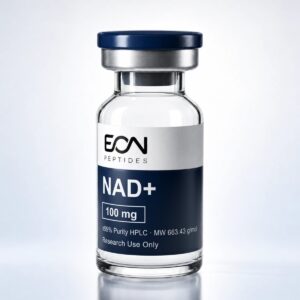
When sourcing Nad+ Peptide for research, it is essential to select a supplier that prioritizes quality and transparency. A typical high-quality, research-grade NAD+ product will have the following specifications:
· Chemical Name: Nicotinamide Adenine Dinucleotide, oxidized form.
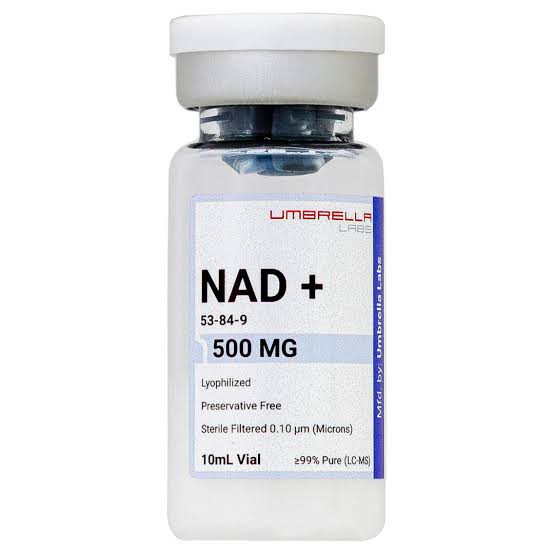
· CAS Number: 53-84-9.
· Molecular Formula: C₂₁H₂₇N₇O₁₄P₂.
· Molecular Weight: 663.4 g/mol.
· Appearance: Lyophilized white powder.
· Purity: ≥98% or ≥99% as determined by HPLC.
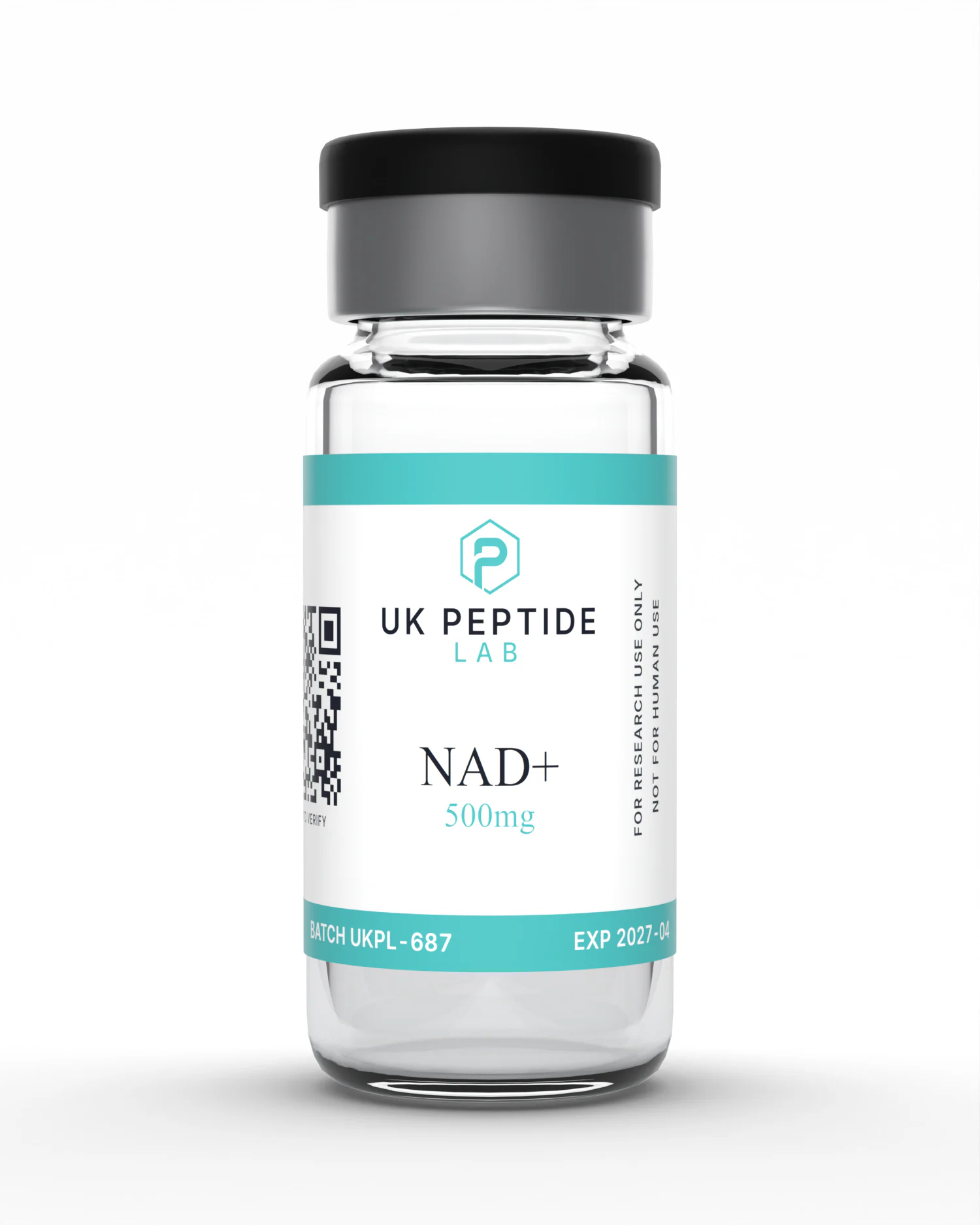
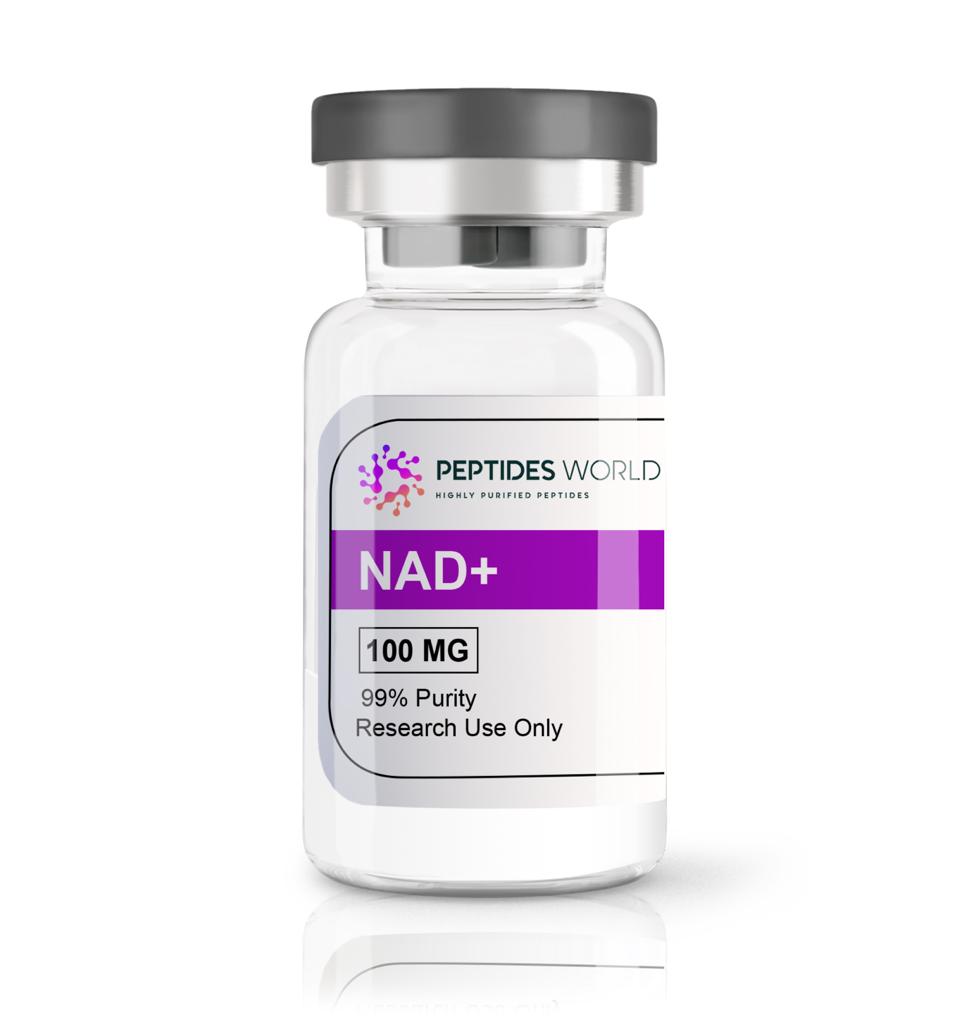
· Vial Size: Commonly available in 500mg or 1000mg vials.
· Grade: Laboratory / Research Use Only (RUO). This is a critical designation. Research-grade products are not approved for human or veterinary diagnostic, therapeutic, or clinical applications.
A reputable supplier will offer:
· A verifiable Certificate of Analysis (COA) for each specific batch, including results from independent, third-party laboratories.
· Transparency regarding the identity, purity, and endotoxin levels of the product.
· Clear storage and handling instructions on the product label and website.
· A commitment to quality control, such as testing for vial-to-vial consistency and screening for heavy metals.
Safety Profile in Research
As a naturally occurring coenzyme, Nad+ Peptide is generally considered to have a favorable safety profile in preclinical research. However, its administration via injection can be associated with acute side effects, and its direct use lacks the extensive controlled human outcome data that exists for its oral precursors, such as nicotinamide riboside (NR) and nicotinamide mononucleotide (NMN). Human trials for NR and NMN have demonstrated reliable increases in blood Nad+ Peptide levels and a mild safety profile. Direct IV or injectable Nad+ Peptide carries higher acute side-effect risks and faces documented product-quality concerns, including FDA recalls.
Legal and Regulatory Status
It is paramount to understand that research-grade Nad+ Peptide is sold strictly for laboratory research use only. It is not a dietary supplement, drug, food, or cosmetic and must not be misbranded or misused as such. The legal status of Nad+ Peptide for human consumption varies by country and is not the subject of this production description.
Researchers and institutions are solely responsible for complying with all applicable local, state, and federal regulations regarding the handling, storage, and use of this chemical. Any discussion of dosage, administration, or therapeutic protocols is outside the scope of this document and should be addressed within the context of a formally approved research study or under the supervision of a licensed medical professional.
Nad+ Peptide is a molecule of profound biological importance, positioned at the nexus of energy metabolism, DNA repair, and the molecular mechanisms of aging. While the term “NAD+ peptide” is a misnomer, the scientific interest in NAD+ and its interplay with peptide-based systems is genuine and growing. For the research community, the critical factors are the availability of high-purity, well-characterized material and a clear understanding of its inherent chemical instability.
The production of research-grade NAD+ demands rigorous quality control, from synthesis and purification to independent analytical testing and verified stability data. By prioritizing transparency and scientific accuracy, both suppliers and researchers can contribute to a more reliable and reproducible foundation for the next generation of discoveries in cellular bioenergetics and longevity science. As the field advances, innovations in delivery systems—such as peptoid nanotubes and iontophoretic patches—will likely play an increasingly important role in translating the theoretical benefits of NAD+ into tangible research outcomes and, eventually, clinical applications.
| Choose | 100mg Vial, 500mg Vial, 1000mg Vial, 300mg Capsules, 500mg Capsules, 1000mg Capsules |
|---|---|
| Quantity | 1 Vial, 2 Vials, 5 Vials, 10 Vials, 30 Capsules, 60 Capsules, 100 Capsules |
Only logged in customers who have purchased this product may leave a review.


Reviews
There are no reviews yet.